
Shakshuka with Poached Eggs and Crusty Bread
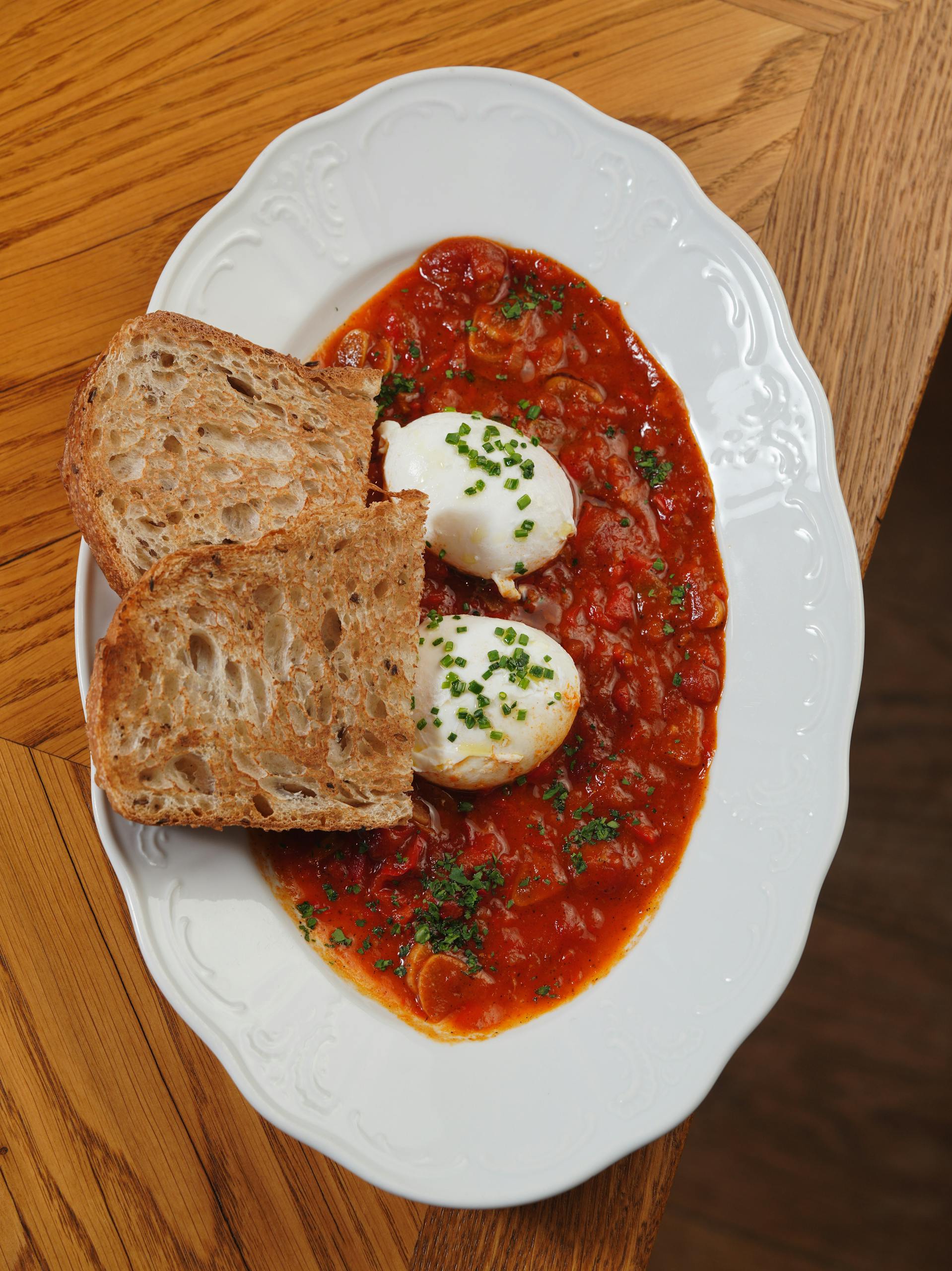
Shakshuka is the kind of meal that feels both comforting and practical: a bubbling tomato sauce, softly cooked eggs, and plenty of crusty bread for serving. It works for brunch, lunch, or a quick dinner, and the sauce can be made ahead so the final step comes together fast.
What shakshuka is
At its core, shakshuka is a tomato-based skillet dish with eggs cooked gently in the sauce. Home cooks often add onion, garlic, peppers, and warm spices, then finish with herbs or a little cheese. It is flexible by design, which makes it easy to adapt to what you already have in the kitchen.
Ingredient notes
Tomatoes: Canned crushed tomatoes, diced tomatoes, or tomato puree all work well. The goal is a thick, spoonable sauce that can hold the eggs without turning watery.
Aromatics: Onion and garlic are a strong starting point. If you have bell pepper, add it early so it softens and sweetens the sauce.
Seasoning: You can keep it simple with salt, black pepper, and a little paprika, cumin, or chili flakes. Taste as you go so the sauce stays balanced.
Eggs: Use fresh eggs and cook them gently in the simmering sauce until the whites are set. If you prefer firmer yolks, give the skillet a little more time covered.
Bread: Serve shakshuka with crusty bread for dipping. A baguette, sourdough, or another sturdy loaf all fit the job well.
How to make it
Start by cooking onion in a skillet with a little oil until softened. Add garlic and any vegetables you are using, then stir in the tomatoes and seasoning. Let the sauce simmer until it thickens and tastes rich.
Once the sauce is ready, make small wells in the surface with a spoon. Crack the eggs into the wells one at a time. Cover the skillet and cook gently until the whites are set and the yolks are cooked to your liking.
For the most even results, keep the heat low and check the eggs often near the end. Shakshuka should stay saucy, not boil hard. A gentle simmer gives you tender eggs and a better texture overall.
Serving ideas
Scatter chopped parsley, cilantro, or scallions over the top before bringing the skillet to the table. If you like, add crumbled feta for a salty finish or a handful of spinach for extra greens.
Serve immediately with warm crusty bread for scooping into the sauce. It is the easiest way to turn a simple skillet into a full meal.
Easy variations
With feta: Sprinkle feta over the finished dish for a tangy, creamy contrast.
With spinach: Stir in a few handfuls near the end so it wilts into the sauce.
With bell pepper: Cook diced pepper with the onion for a slightly sweeter, more substantial base.
Different herbs: Parsley, dill, cilantro, or chives all work depending on what you have on hand.
Make-ahead and storage
The tomato base can be made ahead and refrigerated for up to 4 days. Reheat it gently in a skillet, then add the eggs when you are ready to serve. If you have leftovers, cool them quickly and store them in a covered container in the refrigerator. For best texture and safety, eat leftover shakshuka within 3 to 4 days and reheat until steaming hot.
Food-safety note
Because shakshuka uses eggs, handle them carefully and cook them thoroughly enough for your preference and safety. The USDA and CDC both recommend safe egg handling, including keeping eggs refrigerated and cooking egg dishes until the whites are set and the yolks are cooked as desired. If you are serving people who are more vulnerable to foodborne illness, choose fully cooked eggs rather than runny yolks.
With a good tomato sauce and a loaf of crusty bread, shakshuka becomes a meal that feels generous without requiring much effort. It is a reliable recipe to keep in rotation whenever you want something warm, flexible, and satisfying.
