
Savory Herb Shortbread Cookies (Easy Homemade Snack with Fresh or Dried Herbs)
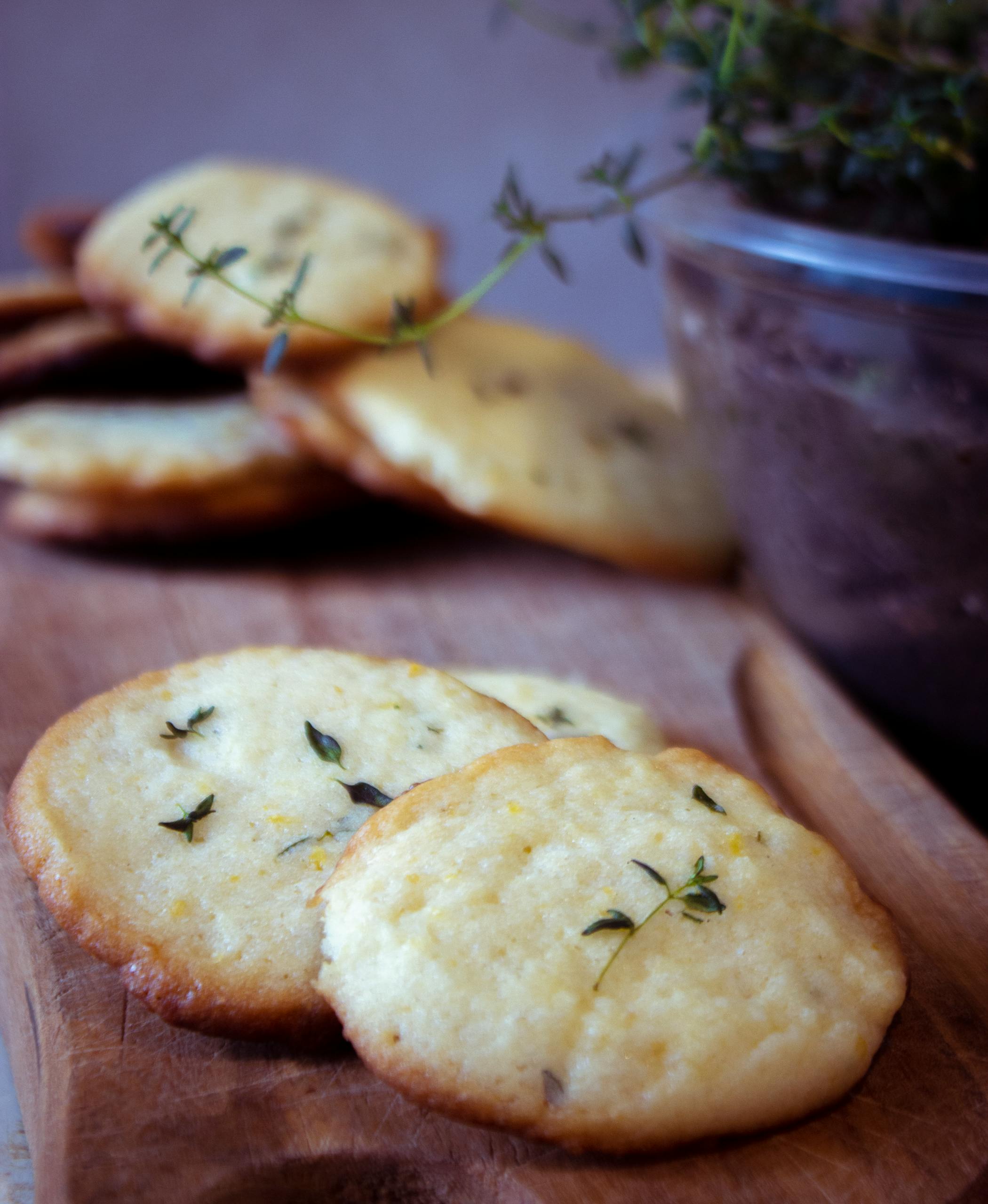
These golden, herb-flecked rounds are the kind of bake that bridges the gap between cookie and cracker. They’re crisp at the edges, tender in the center, and deeply savory—perfect for cheese boards, soup nights, or a lunchbox treat that isn’t sweet.
This version is inspired by a simple herb-topped cookie and built on a classic shortbread-style method: cool butter, properly measured flour, and a chilled dough log you can slice and bake whenever you need a quick homemade snack.
Ingredients
- 1 cup (2 sticks) unsalted butter, cool room temperature
- 2 cups all-purpose flour, measured correctly (see note below)
- 1/2 teaspoon fine salt (adjust to taste)
- 1–2 tablespoons finely chopped fresh herbs (such as thyme, rosemary, chives, or parsley), or 1–2 teaspoons dried herbs
- Optional: freshly ground black pepper for a subtle kick
About the flour: How you measure flour matters. King Arthur Baking recommends weighing flour for accuracy or, if using cups, spooning it into the cup and leveling it off to avoid packing in too much. Too much flour can make shortbread dense and crumbly instead of tender.
How to Make It
- Prep the herbs. If using fresh herbs, rinse them under cool running water and dry thoroughly. Nutrition.gov recommends washing fresh produce under running water and drying it to reduce surface moisture. Pat the herbs very dry and chop them finely so they blend evenly into the dough without adding excess moisture.
- Cream butter and herbs. In a large bowl, beat the butter until smooth. Mix in the salt, chopped herbs (and pepper, if using). You’re not whipping in a lot of air—just combining until creamy.
- Add flour gently. Stir in the flour just until a soft dough forms. According to King Arthur Baking’s cookie guidance, overmixing can develop too much gluten and affect texture. Stop mixing as soon as the flour disappears.
- Shape and chill. Turn the dough onto a sheet of parchment and shape it into a log about 1 1/2 to 2 inches in diameter. Wrap tightly and refrigerate for at least 1 hour, or until firm. Chilling helps the butter solidify, which makes the dough easier to slice and helps control spreading in the oven.
- Slice and bake. Heat the oven to 350°F. Slice the chilled log into 1/4-inch rounds and place on a parchment-lined baking sheet. Bake until the edges are pale golden and the centers look set, about 12–16 minutes depending on thickness. Avoid deep browning; shortbread-style cookies are at their best when lightly golden.
- Cool. Let the cookies rest on the baking sheet for several minutes, then transfer to a rack to cool completely. They’ll firm up as they cool.
Serving Ideas
- Cheese board staple: Pair with sharp cheddar, goat cheese, or a creamy brie. Add sliced apples or grapes for contrast.
- Soup sidekick: Serve alongside tomato soup, butternut squash soup, or a hearty bean stew instead of crackers.
- Salad crunch: Tuck one or two on the side of a spring salad with lemony vinaigrette.
- Lunchbox addition: These travel well and offer a savory break from sweet snacks.
- Holiday appetizer: Make the dough ahead, slice, and bake fresh for gatherings.
Storage Tips
Once completely cool, store baked cookies in an airtight container at room temperature for several days. For longer storage, freeze baked cookies in a well-sealed container and thaw at room temperature.
You can also freeze the unbaked dough log. Wrap it tightly, freeze, and slice straight from the freezer (add a minute or two to the baking time if needed).
If using fresh herbs, store them properly before baking. Nutrition.gov advises keeping perishable foods refrigerated and using them promptly for quality and safety. Make sure herbs are dry before storing to reduce excess moisture.
Money-Saving Tip
This recipe is ideal for using up leftover herbs from another meal. Even small amounts of fresh thyme, rosemary, chives, or parsley can be finely chopped and folded in. No fresh herbs? Use dried—generally about one-third the amount of fresh—and taste the dough to adjust seasoning. You can also double the batch, freeze one dough log, and bake only what you need later, cutting down on waste and last-minute snack runs.
With a handful of pantry staples and a few sprigs of herbs, you’ve got a savory bake that feels a little special but fits easily into everyday cooking. Crisp, tender, and endlessly adaptable—this is one recipe worth keeping on repeat.
