
How to Use Dried Red Chili Peppers in Everyday Cooking
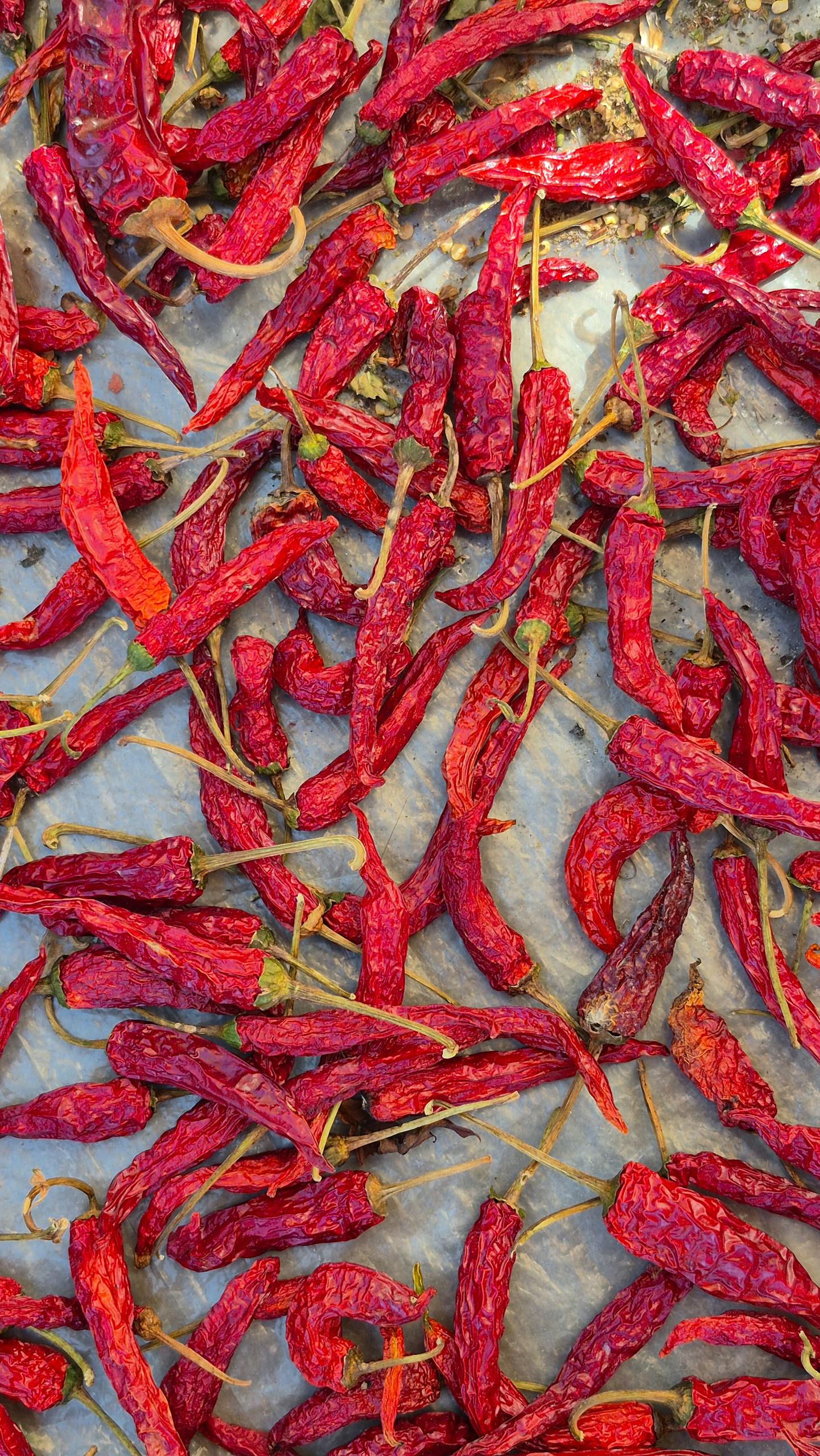
Dried red chili peppers are one of those pantry ingredients that can change the mood of a dish fast. They bring more than heat: when handled well, they add a rounded, smoky, fruity, or earthy note that fresh chiles do not always deliver in the same way. For home cooks, that makes them useful in everything from a weeknight pot of beans to a slow-simmered sauce.
One of the easiest ways to get more flavor from dried chiles is to warm them briefly before using. A quick toast in a dry skillet can wake up their aroma and make them taste fuller. Keep the heat moderate and watch closely; dried chiles can go from fragrant to bitter if they scorch. After toasting, many cooks tear or crack them and steep them in hot water until softened, which makes them easier to blend into sauces or purees.
That simple prep opens the door to a lot of everyday cooking. Pureed chiles can anchor sauces for enchilada-style dishes, simmer into chili or stew, or add depth to tomato-based braises. You can also add them to soups and bean dishes for a background heat that builds as the pot cooks. In marinades, a little chile flavor can bring savory edge and warmth to chicken, beef, pork, tofu, or vegetables. Crumbled dried chiles also work in homemade spice blends when you want a more layered heat than plain cayenne alone.
If you like practical meal ideas, think of dried red chili peppers as a flavor booster rather than a one-note ingredient. A spoonful of chile puree stirred into chili can deepen the broth. A blended chile sauce can make roasted vegetables feel more lively. A small amount added to beans can turn a simple side dish into something that tastes slow-cooked and special. Start with less than you think you need, then taste and build gradually.
Because dried chiles vary a lot in heat, substitutions should be cautious. One chile can be mild and sweet, while another brings serious fire. If you are swapping types, add a little at a time and taste as you go. For gentler heat, combine a smaller amount of chile with tomatoes, onions, broth, or other mellow ingredients. That helps you keep control without losing the depth that dried chiles provide.
Buying and storing them well matters, too. Look for chiles that are fully dried but still flexible or pliable enough to bend slightly before breaking. Once home, keep them in an airtight container away from heat and light so they hold onto their aroma longer. A cool, dark pantry is usually better than a spot above the stove. If the chiles lose their fragrance, they will still add color and a little heat, but the flavor will be less vivid.
From a food-composition standpoint, dried peppers are a low-calorie way to add flavor without leaning on extra fat or salt. USDA FoodData Central is the federal reference source home cooks and food writers use for ingredient information, and the USDA peppers fact sheet offers useful context on pepper nutrition. Still, the real value here is culinary: dried red chili peppers help simple meals taste deeper, warmer, and more interesting.
For an easy way to use them tonight, toast a few peppers, soak them until soft, and blend them into a sauce for beans, chili, or a pan of braised meat. Or crush a small amount into a spice mix for roasted vegetables. Once you get comfortable with them, dried red chili peppers become a dependable pantry staple—one that can add personality to everyday cooking with very little effort.
