
How to Build a Simple Roast Turkey Dinner With Easy Sides and Safe Leftovers
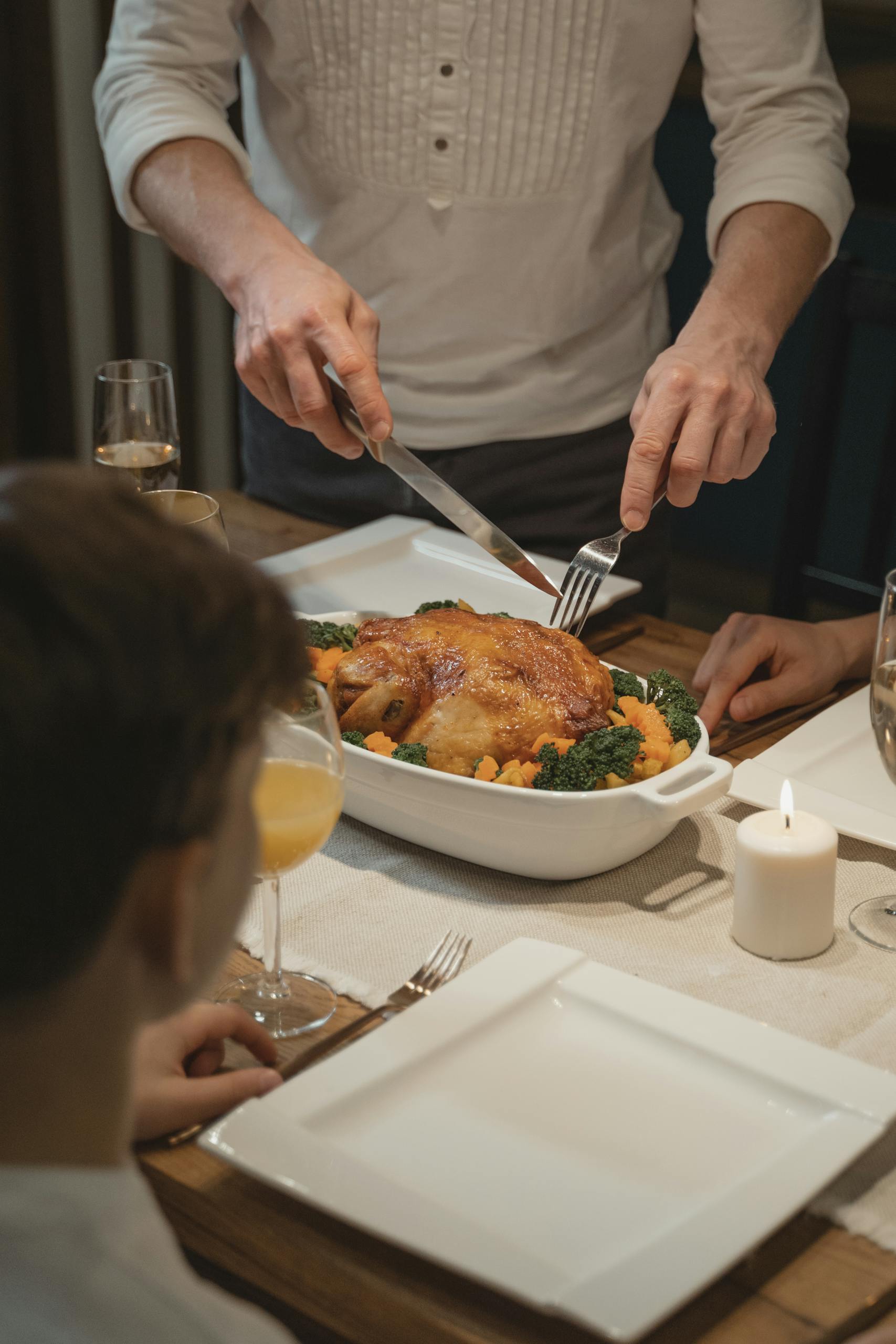
A roast turkey dinner can feel like a big project, but it gets much easier when you focus on a few core steps: buy the right size bird, thaw it safely, roast it until it reaches a safe temperature, and keep the side dishes simple. If you want a warm, family-style meal without turning it into an all-day marathon, this is a good place to start.
Choose a turkey size that fits your table
Start with your guest count and how much you want left over the next day. A smaller group may do well with a modest bird and one or two vegetable sides. A larger gathering may call for a bigger turkey, but keep in mind that a larger bird also needs more thawing time and more oven time.
If you are buying frozen, plan ahead. According to USDA FSIS, refrigerator thawing is the safest and easiest method, but it takes time. A whole turkey needs several days in the refrigerator, depending on its size. If you are short on time, cold-water thawing is another safe option, but the water must be changed every 30 minutes. Microwave thawing can work for small birds if your microwave is large enough, but the turkey should be cooked right away after thawing.
One thing to skip: thawing at room temperature. USDA FSIS advises against leaving turkey out on the counter, where unsafe bacteria can grow.
Keep prep simple and roast with a thermometer
Once the turkey is thawed, keep the prep basic. Pat the outside dry with paper towels, season it the way you like, and place it in a roasting pan. There is no need to wash raw turkey. USDA FSIS says washing can spread bacteria around the sink and nearby surfaces.
For roasting, the most important tool is not a timer. It is a food thermometer. Times can vary based on turkey size, oven accuracy, and whether the bird is stuffed, so do not rely on appearance alone.
USDA FSIS recommends cooking turkey to an internal temperature of 165 F. Check the temperature in the thickest part of the breast, the innermost part of the thigh, and the innermost part of the wing. If your turkey has stuffing inside, the center of the stuffing also needs to reach 165 F.
If you want to keep things low stress, bake stuffing separately. That makes both roasting and temperature-checking easier.
Let it rest before carving
When the turkey comes out of the oven, let it rest before carving. This gives the juices time to settle and makes cleaner slices easier. A short rest also gives you a window to finish the vegetables, warm bread, or bring everything to the table.
For simple carving, remove the legs and thighs first, then slice the breast meat across the grain. You do not need fancy knife skills to serve it neatly. A sharp carving knife and a steady cutting board go a long way.
Easy side dishes that keep the meal manageable
Turkey dinner does not need a long list of sides to feel complete. Roasted carrots and broccoli are practical choices because they are easy to prep and cook while the turkey rests.
For carrots, toss cut pieces with oil, salt, and pepper, then roast until tender and lightly browned. For broccoli, do the same, roasting until the edges pick up some color. A squeeze of lemon or a little butter at the end can make both vegetables feel finished without adding extra work.
Other low-stress additions include mashed potatoes, a simple green salad, rolls, or a grain side you can make ahead. If you are planning for a weeknight or smaller gathering, even just turkey, carrots, and broccoli can be enough.
Leftovers need attention too
Safe leftovers matter just as much as safe cooking. USDA FSIS recommends refrigerating cooked turkey and side dishes promptly. Do not leave perishable food out for more than 2 hours, or more than 1 hour if the temperature is above 90 F.
Store leftovers in shallow containers so they cool faster in the refrigerator. That helps reduce the time food spends in the temperature danger zone. Use refrigerated leftovers within 3 to 4 days. If you will not eat them in that window, freeze them for later.
FoodSafety.gov also notes that if your power goes out, refrigerated food may not stay safe indefinitely. In general, a refrigerator keeps food safely cold for about 4 hours if the door stays closed. That is useful to know if you are cooking for a gathering and lose power unexpectedly.
What to do with extra turkey
Leftover turkey is one of the best parts of making a roast dinner. Slice it for sandwiches, add it to soup, build grain bowls, or reheat it with vegetables for a quick second meal. If you have a smaller amount, fold it into pasta or tuck it into wraps for lunch.
The simplest roast turkey dinner is often the most practical one. Keep the bird size realistic, lean on a thermometer, choose easy vegetable sides, and cool leftovers quickly. That is the kind of meal that feels generous without becoming overwhelming.
