
Simple Grilled Steak with Creamy Mashed Potatoes and Steamed Vegetables (Restaurant-Style at Home)
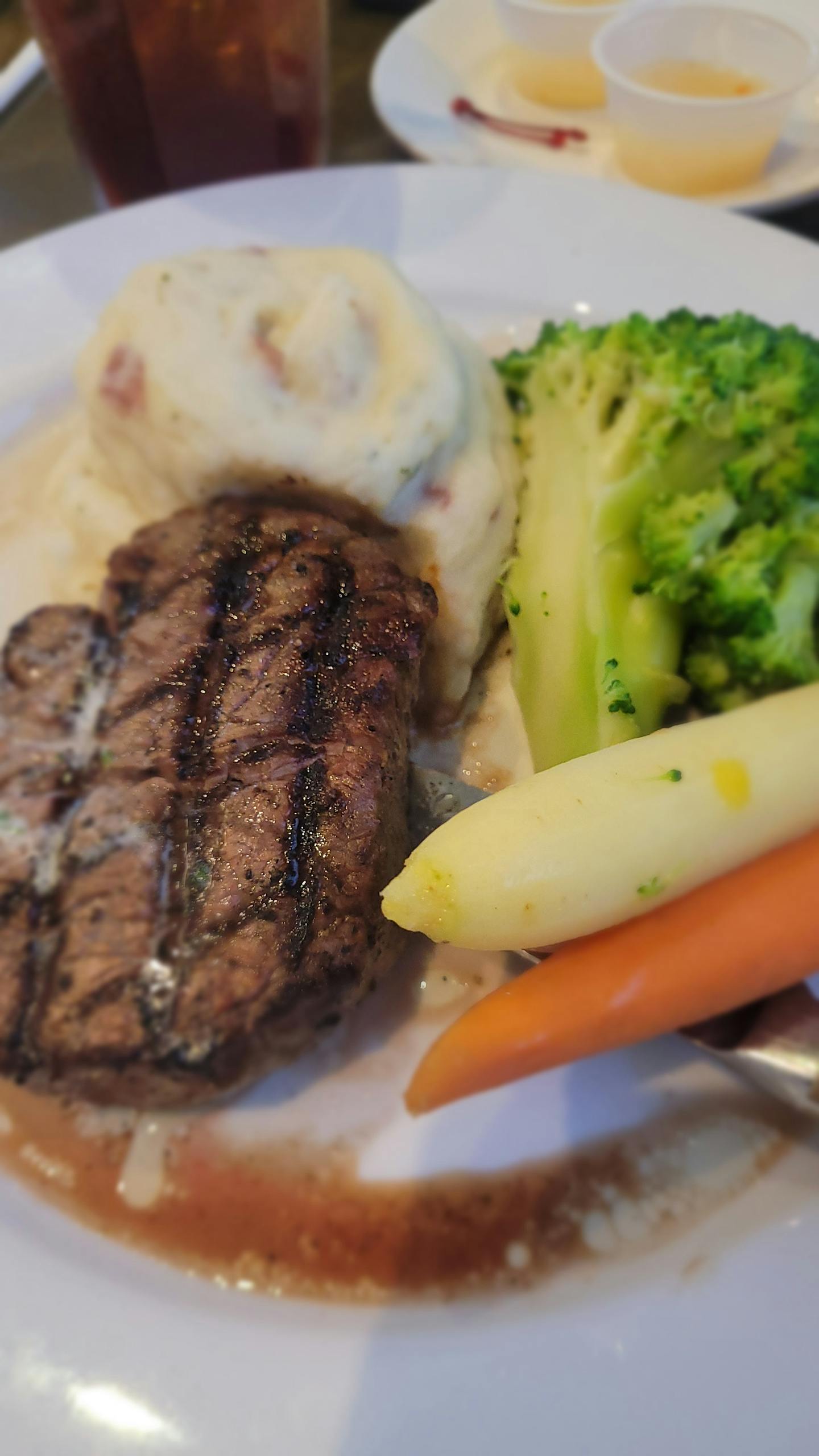
A plate of grilled steak with mashed potatoes and bright vegetables is classic for a reason. It feels like a steakhouse dinner, but it’s completely doable at home with a hot grill, a thermometer, and a few smart techniques.
This image-inspired recipe keeps things simple: a well-seasoned steak cooked to a safe internal temperature, fluffy mashed potatoes, and tender-crisp vegetables. No mystery marinades. No complicated sauces. Just solid, dependable cooking that works for weeknights or a relaxed Sunday dinner.
Ingredients
- 2 steaks (such as sirloin, strip, ribeye, or another favorite cut)
- Salt and freshly ground black pepper
- 1–2 tablespoons neutral oil (for brushing the grill grates)
- 2 pounds russet or Yukon Gold potatoes, peeled and cut into chunks
- 4 tablespoons butter
- ½–¾ cup milk or cream, warmed
- 3–4 cups mixed vegetables (such as broccoli florets, sliced carrots, and other favorites)
- Optional: chopped fresh herbs, garlic, or a small pat of herb butter for serving
How to Make It
1. Prep the Steak
Take the steaks out of the refrigerator about 30 minutes before grilling. Pat them dry with paper towels and season generously on both sides with salt and pepper. Keeping the seasoning simple lets the flavor of the beef shine.
Preheat your grill to medium-high. Clean and lightly oil the grates to help prevent sticking.
Place the steaks on the hot grill and sear with the lid closed. Flip once, when the steak releases easily from the grates.
For food safety, whole cuts of beef like steak should reach a minimum internal temperature of 145°F, followed by a three-minute rest, according to FoodSafety.gov. Use an instant-read thermometer inserted into the thickest part of the steak to check doneness.
The USDA’s Food Safety and Inspection Service (FSIS) also recommends using a food thermometer rather than relying on color alone when cooking beef at home.
2. Rest Before Slicing
Transfer the steaks to a plate and let them rest at least three minutes. Resting allows juices to redistribute, keeping the meat moist and flavorful. Slice against the grain for tenderness.
3. Make the Mashed Potatoes
While the steak cooks, place potatoes in a large pot and cover with cold water. Add a generous pinch of salt. Bring to a boil and cook until the potatoes are fork-tender.
Drain well and return the potatoes to the hot pot for a minute to let excess moisture evaporate. Mash with butter, then gradually stir in warm milk or cream until smooth and fluffy. Season to taste with salt and pepper.
For the lightest texture, avoid overmixing. Overworked potatoes can turn gluey, especially if beaten too vigorously.
4. Steam the Vegetables
Steam broccoli, carrots, or mixed vegetables over simmering water until just tender-crisp. This usually takes 4–6 minutes, depending on size. They should be bright in color and still have a little bite.
Season with a pinch of salt and, if you like, a small knob of butter or squeeze of lemon.
Serving Ideas
Arrange a scoop of mashed potatoes on each plate, add sliced steak, and spoon any resting juices over the top. Pile the vegetables alongside for color and balance.
If you want a little extra flair, top the steak with a pat of herb butter or a sprinkle of chopped parsley. A simple green salad or crusty bread rounds out the meal for guests.
Storage Tips
According to USDA FSIS guidance on beef handling, refrigerate cooked steak within two hours of cooking (one hour if the room is above 90°F). Store leftovers in shallow, airtight containers.
Cooked beef and cooked vegetables generally keep safely in the refrigerator for 3 to 4 days when stored properly. Reheat steak gently—covered in a skillet over low heat or briefly in the microwave—to avoid overcooking.
When preparing raw beef, keep it separate from other foods, wash hands and surfaces thoroughly, and refrigerate promptly. Nutrition.gov’s safe food preparation guidance reinforces these basic but important kitchen habits.
Money-Saving Tip
Choose a budget-friendly cut like top sirloin and slice it thinly against the grain to stretch servings. You can also grill a larger steak and share it family-style, adding extra mashed potatoes and vegetables to fill out the plate without increasing the meat cost.
This kind of balanced plate—savory steak, creamy potatoes, and vibrant vegetables—never goes out of style. With a thermometer and a few solid techniques, it’s a dinner you can feel confident putting on the table any night of the week.
