
How to Make a Simple Dried Red Chili Pepper Paste
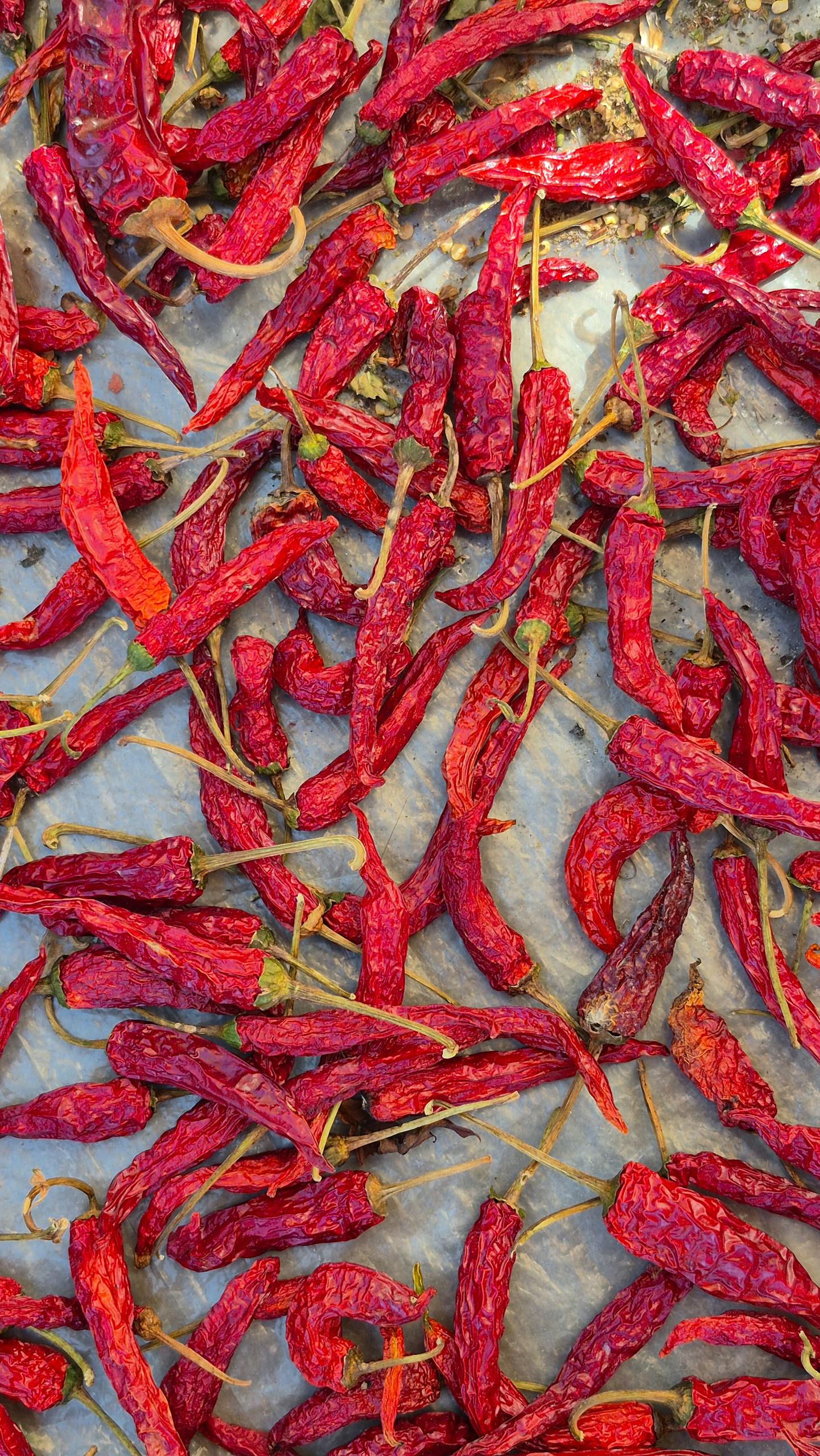
This small-batch dried red chili pepper paste is a practical pantry staple: bold, flexible, and easy to keep on hand for busy weeknights. You can make it smooth enough for sauces and marinades, then use it wherever you want a little heat and a lot of flavor. The base recipe is intentionally simple, with an optional smoky or milder variation depending on what you have in the kitchen.
Recipe at a glance
- Yield: About 1 cup paste
- Prep time: 15 minutes
- Cook time: 10 minutes
- Total time: 25 minutes
Ingredients
- 8 to 10 dried red chili peppers, stems removed
- 1 1/2 cups hot water, plus more as needed
- 1 tablespoon neutral oil
- 2 cloves garlic, peeled
- 1 teaspoon kosher salt
- 1 teaspoon apple cider vinegar or lemon juice
- 1/2 teaspoon ground cumin, optional
- 1/2 teaspoon sugar or honey, optional
Optional for a smokier variation: 1 small chipotle pepper in adobo or 1/2 teaspoon smoked paprika.
Optional for a milder variation: Use 4 to 6 dried chilies and seed them well before soaking.
Instructions
- Remove the stems from the dried chilies. Shake out as many seeds as you can. For a milder paste, split the chilies open and discard most of the seeds and inner ribs.
- Place the chilies in a heatproof bowl and pour the hot water over them. Let them soak for 10 to 15 minutes, until they look flexible, darker in color, and easy to tear. If they still feel stiff, give them a few more minutes.
- Drain the chilies, reserving about 1/2 cup of the soaking liquid. Add the softened chilies to a blender or small food processor with the oil, garlic, salt, vinegar or lemon juice, cumin, and sugar if using.
- Blend until very smooth, stopping to scrape down the sides. Add a spoonful or two of reserved soaking liquid as needed to help the blades move and create a thick, spreadable paste. The finished texture should look glossy and spoonable, not dry or grainy.
- Taste and adjust. Add a little more salt for depth, a splash more vinegar for brightness, or more soaking liquid if you want a looser paste for marinades.
- If you want an extra-silky finish, press the paste through a fine-mesh sieve with a spoon. This step is optional, but it helps if you are using the paste for sauces or a smooth glaze.
- Use right away, or let the paste cool completely before storing.
Tips for the best texture
If your blender struggles, don’t force it. Add the soaking liquid a tablespoon at a time so the paste stays thick while still moving freely. A small food processor usually works well for this amount, but a high-speed blender can make it especially smooth.
For more depth, toast the dried chilies in a dry skillet over medium heat for 10 to 15 seconds per side before soaking. Keep the heat low and watch closely; they should become fragrant, not dark or bitter.
Serving ideas
- Stir into taco fillings or spoon onto grilled chicken, fish, or beans.
- Whisk with oil and a little vinegar for a quick marinade for vegetables.
- Blend into tomato soup, lentil soup, or broth-based noodle bowls.
- Mix with mayo or yogurt for a sandwich spread or dipping sauce.
- Toss with roasted potatoes, cauliflower, carrots, or sweet potatoes.
Storage notes
Store the cooled paste in a clean, airtight jar in the refrigerator for up to 1 week. For longer storage, freeze it in small portions, such as tablespoon-sized scoops on a parchment-lined tray or in an ice cube tray, then transfer the frozen pieces to a freezer bag. Frozen paste keeps well for about 3 months.
Use Nutrition.gov’s safe food storage guidance as a reminder to chill homemade condiments promptly and keep them covered. If the paste thickens in the fridge, stir in a teaspoon of water or oil before using.
Make-ahead note
This is a useful recipe to make when dried chilies are on hand and you want an instant flavor base for the week. Once you have a jar in the refrigerator, dinner gets easier: a spoonful can turn plain rice, beans, vegetables, or noodles into something more lively without much extra effort.
