
Restaurant-Style Pan-Seared Steak with Roasted Rainbow Carrots and Simple Brown Pan Sauce
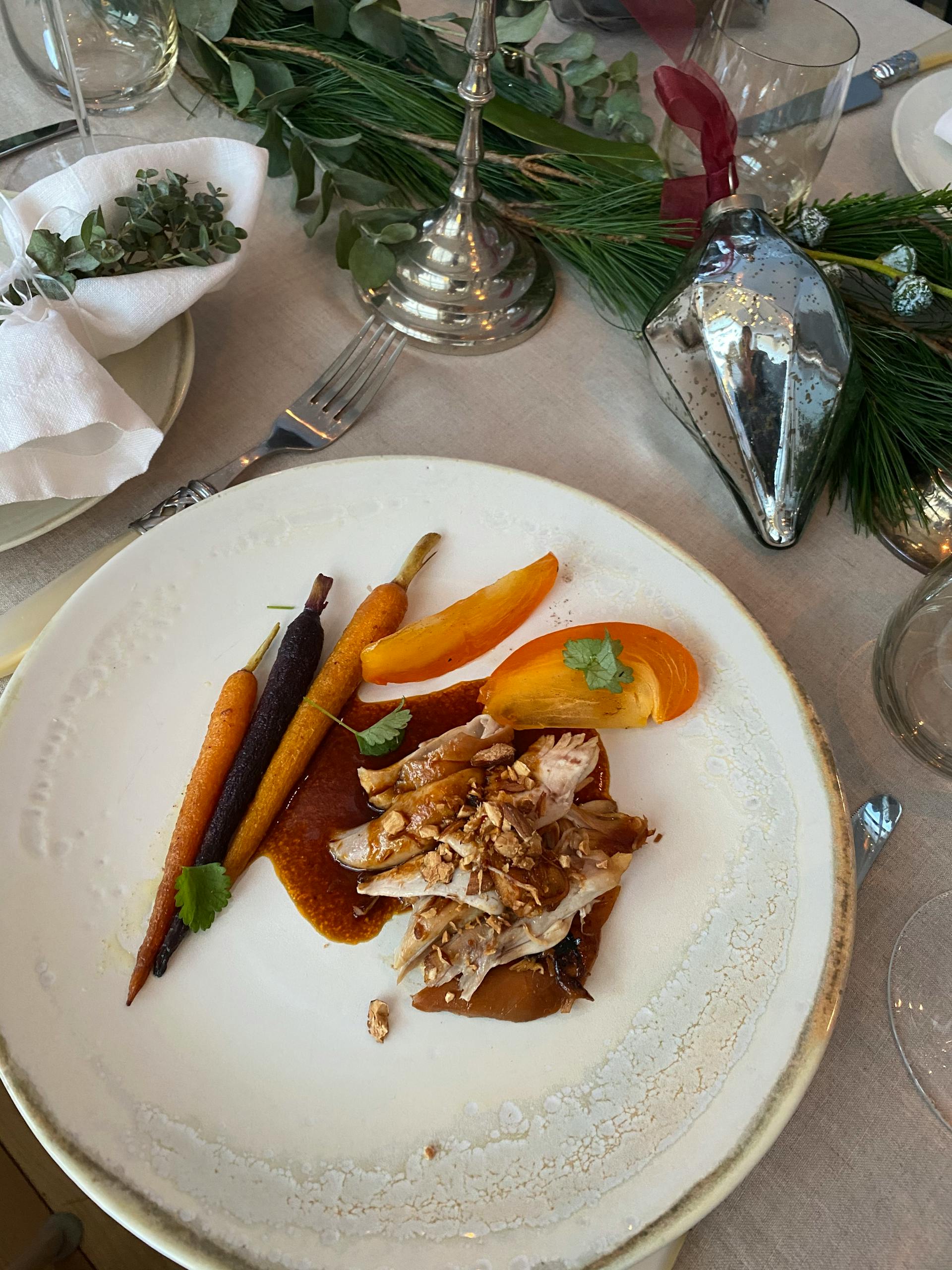
A beautifully plated steak dinner doesn’t require a reservation. With a hot pan, a handful of carrots, and a splash of stock, you can build a composed, restaurant-style plate right at home.
This method focuses on technique: roasting carrots until deeply caramelized, searing a thick-cut steak to build flavor, and turning those browned bits in the pan into a simple, glossy sauce. Once you learn the flow, you can repeat it with different cuts of beef—or even chicken—throughout the year.
Smart Shopping: Choosing the Right Cut and Carrots
Steak: Look for a quick-cooking cut about 1 to 1½ inches thick. Top sirloin, strip steak, or ribeye all work well. Thickness matters more than the exact cut—too thin and it’s hard to build a crust without overcooking the center.
Choose steaks with even thickness and good marbling. Plan on 8 to 12 ounces per person, depending on appetite.
Carrots: Small rainbow carrots (orange, purple, yellow) make the plate pop, but standard orange carrots taste just as sweet. If they’re large, halve or quarter them lengthwise so they cook evenly.
Stock: Use a good-quality beef stock for steak, or chicken stock if that’s what you have. Low-sodium gives you more control over seasoning.
Ingredients (Serves 2–4)
- 2 thick-cut steaks (sirloin, strip, or ribeye)
- 1 pound small carrots, trimmed and scrubbed
- 2 to 3 tablespoons olive oil, divided
- Kosher salt and freshly ground black pepper
- 1 small shallot, finely chopped (optional)
- ½ cup beef or chicken stock
- Splash of red wine (optional) or extra stock
- 1 to 2 tablespoons cold butter
- Fresh herbs for garnish (parsley or thyme)
Step 1: Roast the Carrots for Deep Flavor
Heat the oven to 425°F. Toss the carrots with olive oil, salt, and pepper. Spread them out on a sheet pan with space between each piece—crowding leads to steaming instead of browning.
Roast for 20 to 30 minutes, turning once, until tender and caramelized at the edges. If you like, add a few sprigs of thyme during the last 10 minutes.
Step 2: Sear the Steak and Build the Fond
Pat the steaks dry with paper towels. Season generously with salt and pepper. For even better flavor, salt them up to 40 minutes ahead and let them rest at room temperature.
Heat a heavy skillet (cast iron is ideal) over medium-high until very hot. Add a thin layer of oil. Place the steaks in the pan and don’t move them for several minutes. This is how you build a flavorful crust—and the browned bits, called fond, that will become your sauce.
Flip and cook the second side. Depending on thickness, total cooking time is usually 6 to 10 minutes.
Check Temperature and Rest
According to the USDA Food Safety and Inspection Service, whole cuts of beef should reach a minimum internal temperature of 145°F, followed by a 3-minute rest. Use an instant-read thermometer inserted into the thickest part of the steak to check.
Transfer the steaks to a plate and rest at least 5 minutes. Resting allows juices to redistribute and accounts for a bit of carryover cooking.
Step 3: Make a Simple Brown Pan Sauce
Pour off excess fat from the skillet, leaving the browned bits behind. Return the pan to medium heat. Add the chopped shallot, if using, and cook briefly until softened.
Deglaze with a splash of wine or stock, scraping up the fond with a wooden spoon. Add the remaining stock and simmer until slightly reduced and glossy.
Turn off the heat and whisk in cold butter a little at a time. This gives the sauce body and shine without needing flour or cream. Taste and adjust seasoning.
Slice and Plate Like a Pro
Slice the steak against the grain for tenderness. Arrange the slices slightly overlapped on a warm plate. Spoon carrots alongside, then drizzle the pan sauce over and around the meat. Finish with a scatter of fresh herbs.
Keep the plate simple and let the color of the carrots and the sheen of the sauce do the work.
Money-Saving Variation: Use Chicken Thighs or a Value Cut
This same method works beautifully with bone-in, skin-on chicken thighs or a more affordable beef cut like flat iron or chuck eye.
The USDA FSIS recommends cooking chicken to an internal temperature of 165°F. Always check at the thickest part, avoiding bone.
Chicken thighs will render flavorful drippings that create an equally rich pan sauce. Roast the carrots the same way and build the sauce from the skillet after the chicken rests.
Storage and Leftovers
Refrigerate leftovers within two hours of cooking. The USDA’s Beef from Farm to Table guidance notes that cooked beef should be stored in the refrigerator and used within 3 to 4 days. Store sauce separately if possible.
Reheat gently in a skillet with a splash of stock to keep the meat from drying out. Leftover steak also makes an excellent grain bowl or sandwich filling the next day.
A Repeatable Restaurant-Style Template
Once you’re comfortable with this rhythm—roast vegetables, sear protein, build a quick pan sauce—you can swap in seasonal produce, different herbs, or another cut of meat. The technique stays the same, and the plate always feels thoughtful and composed.
That’s the kind of dinner that turns an ordinary weeknight into something a little more celebratory.
