
Herb-Topped Chicken Breast with Quick Pan Sauce for Weeknight Dinners
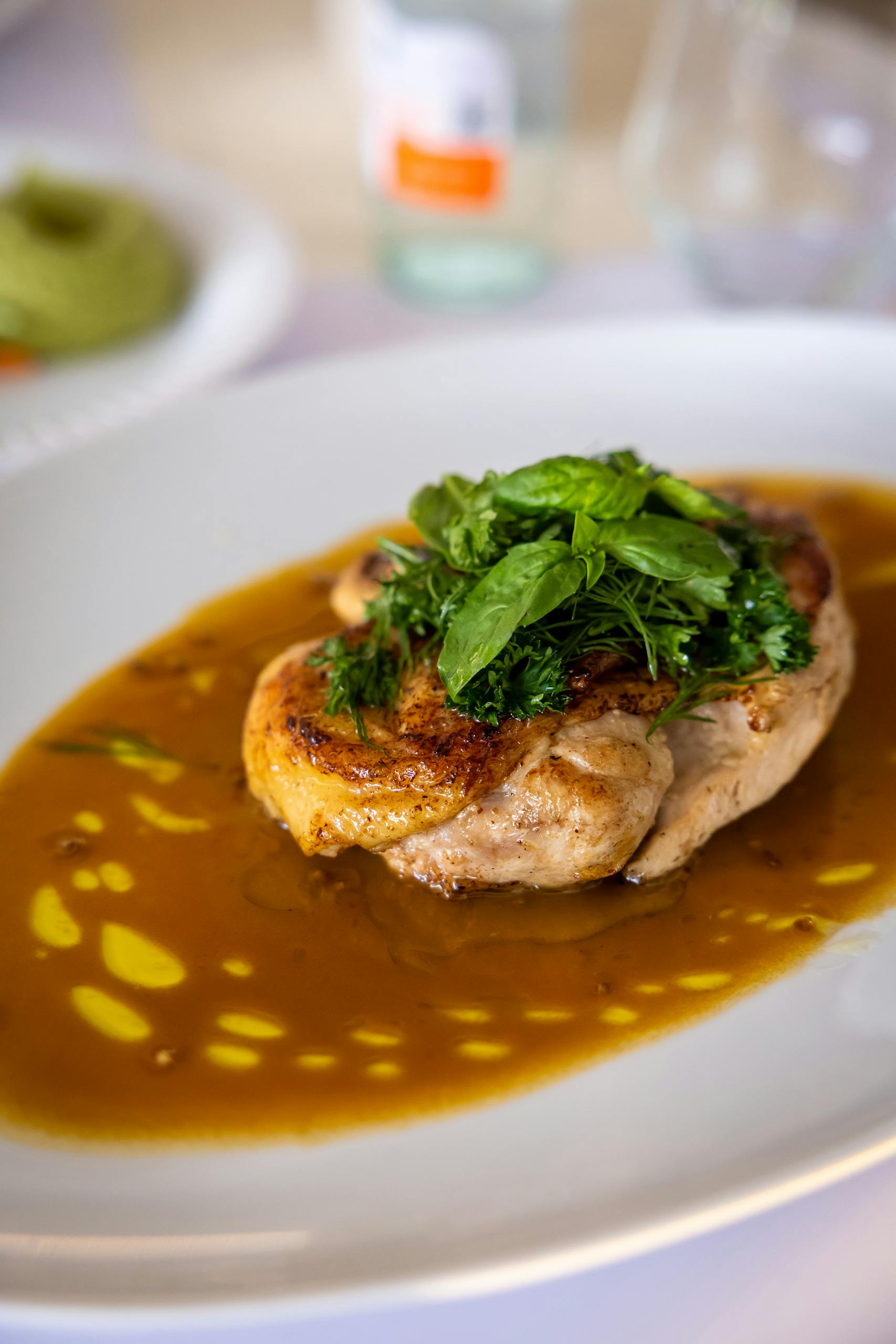
A well-cooked chicken breast is one of the most useful skills a home cook can master. With good browning, a quick pan sauce, and a handful of fresh herbs, it becomes the kind of meal that works on a busy Tuesday and still feels special enough for company.
This method focuses on technique: seasoning simply, searing for color, checking doneness with a thermometer, and turning the flavorful browned bits in the pan into a fast, balanced sauce.
Ingredients (Serves 4)
- 4 boneless, skinless chicken breasts
- Kosher salt and freshly ground black pepper
- 1–2 tablespoons neutral oil (such as avocado or canola)
- 1/2 to 3/4 cup low-sodium chicken broth or dry white wine
- 1–2 tablespoons butter (optional, for richness)
- Small handful fresh leafy herbs, chopped (such as parsley, basil, dill, or a mix)
Step 1: Thaw and Prep Safely
If your chicken is frozen, thaw it in the refrigerator, in cold water (changed every 30 minutes), or in the microwave if you plan to cook it immediately. The USDA Food Safety and Inspection Service recommends these methods and advises against thawing poultry on the counter.
Before cooking, wash your hands with soap and water, keep raw chicken and its juices away from ready-to-eat foods, and use separate cutting boards or thoroughly wash them after contact with raw poultry.
Pat the chicken breasts dry with paper towels. This simple step helps them brown instead of steam. Season both sides generously with salt and pepper.
Step 2: Pan-Sear or Grill for Flavor
To Pan-Sear:
Heat a large skillet over medium-high heat. Add the oil and let it shimmer. Place the chicken in the pan and leave it undisturbed for 5–7 minutes. Good browning comes from patience.
Flip and cook another 5–7 minutes, adjusting heat as needed so the exterior browns without burning.
To Grill:
Preheat the grill to medium-high and oil the grates. Cook the chicken over direct heat, turning once, until nicely marked and nearly cooked through.
No matter the method, cook until the thickest part of the chicken reaches an internal temperature of 165°F, as measured with a food thermometer. The USDA recommends 165°F for poultry to ensure it is safe to eat. Color alone is not a reliable indicator of doneness.
Step 3: Rest Before Slicing
Transfer the chicken to a plate and let it rest for 5–10 minutes. Resting allows the juices to redistribute so they stay in the meat instead of running out on the cutting board.
Step 4: Build a Quick Brown Pan Sauce
While the chicken rests, use the same skillet (if pan-searing) to make a sauce.
Pour off excess fat, leaving behind the browned bits stuck to the bottom of the pan. Return the pan to medium heat and add the broth or wine. Use a wooden spoon to scrape up those flavorful bits as the liquid simmers.
Let the liquid reduce by about half, 3–5 minutes, until lightly thickened. For a richer finish, swirl in a tablespoon or two of butter at the end. Taste and adjust with a pinch of salt or pepper if needed.
If you grilled the chicken, you can make this sauce in a skillet on the stove using broth or wine alone, simmering and reducing in the same way.
Step 5: Finish with Fresh Herbs
Spoon the warm sauce over the chicken breasts and scatter chopped fresh herbs over the top. The herbs add brightness and color that balance the savory brown sauce.
Serving Ideas
- Spoon the sauce over mashed potatoes or rice to catch every drop.
- Serve with roasted vegetables or a simple green salad for a lighter plate.
- Slice the chicken and tuck it into warm rolls with extra herbs and a drizzle of sauce.
Storage and Leftovers
Refrigerate leftovers within two hours of cooking. According to USDA guidance, cooked chicken can be stored in the refrigerator for 3–4 days.
Store the chicken and sauce in an airtight container. Reheat gently on the stovetop or in the microwave until the internal temperature reaches 165°F again.
Leftover sliced chicken is also useful cold in salads or wraps, reducing food waste and stretching your grocery budget.
Money-Saving Pantry Variation
If you don’t keep wine on hand, use low-sodium chicken broth for the sauce. Dried herbs can stand in for fresh—add a small pinch to the sauce while it simmers to let them rehydrate and bloom. Finish with a squeeze of lemon if you have it to brighten the flavor.
Why This Method Works
Chicken breast is a lean protein, as outlined by Nutrition.gov, which means it cooks quickly but can dry out if overdone. High heat for browning, a thermometer for accuracy, and a short resting period make all the difference.
Once you’re comfortable with this base technique, you can change the personality of the dish with different herbs, a splash of cream, a spoonful of mustard, or even a handful of sautéed mushrooms added to the sauce. The structure stays the same—season, sear, rest, deglaze—so dinner feels flexible instead of repetitive.
