
Pan-Seared Steak with Herb Butter
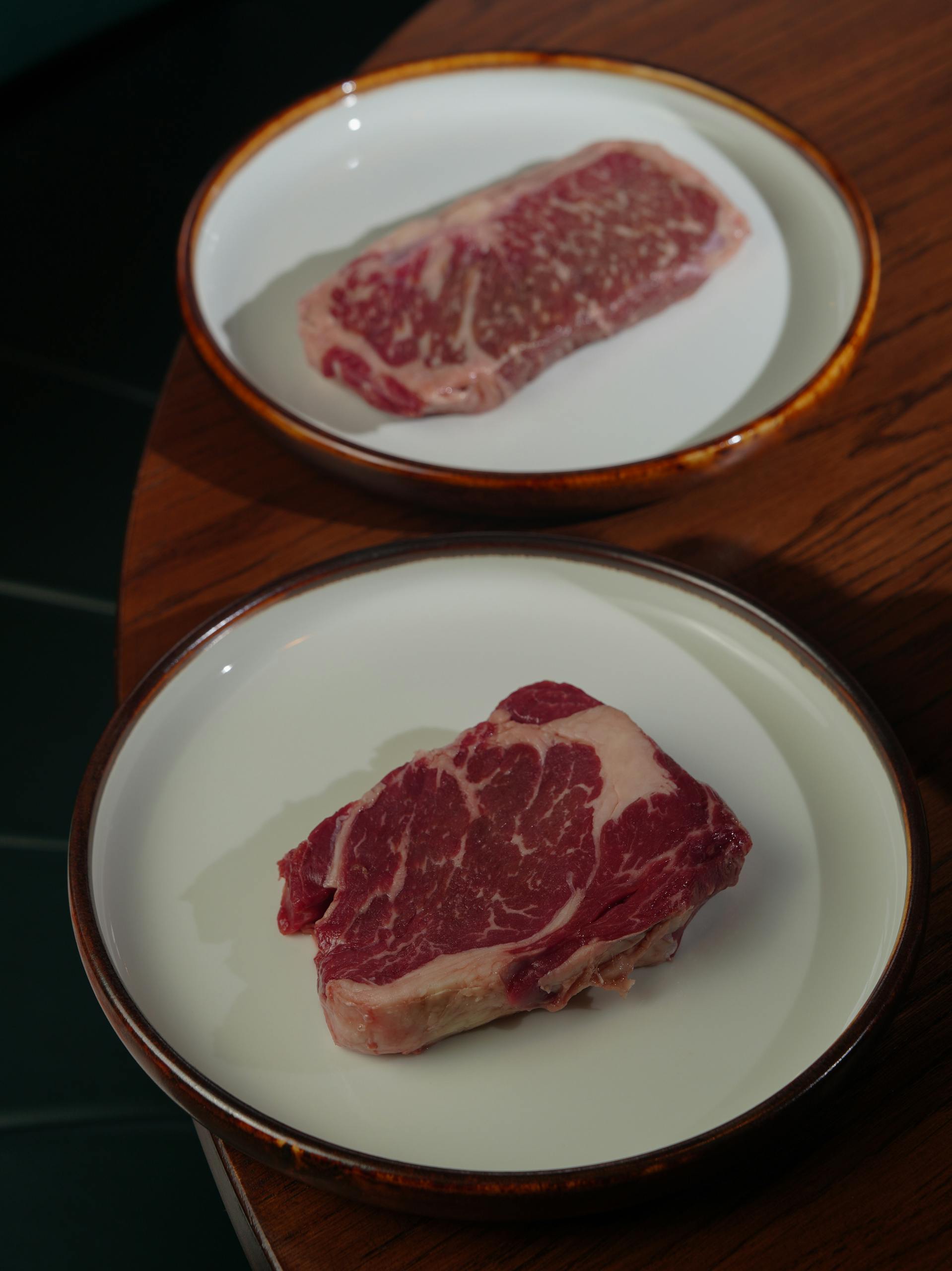
When you want a steak dinner that feels special without turning into a project, this skillet method keeps things straightforward. A good sear, a quick herb butter finish, and a short rest are enough to turn ribeye or strip steaks into a meal that works for busy nights or a relaxed weekend supper.
Recipe at a glance
- Yield: 2 servings
- Prep time: 10 minutes
- Cook time: 10 to 14 minutes
- Rest time: 5 to 10 minutes
- Total time: 25 to 34 minutes
Ingredients
- 2 beef ribeye or strip steaks, about 1 to 1 1/4 inches thick and 8 to 10 ounces each
- 1 1/2 teaspoons kosher salt
- 1 teaspoon black pepper
- 1 tablespoon neutral oil, such as avocado, canola, or grapeseed
- 2 tablespoons unsalted butter
- 2 cloves garlic, minced
- 1 tablespoon finely chopped parsley
- 1 teaspoon finely chopped chives or thyme
- 1 teaspoon lemon juice, optional
- Flaky salt, for finishing, optional
Instructions
- Take the steaks out of the refrigerator 20 to 30 minutes before cooking if time allows. Pat them very dry with paper towels. Dry surfaces brown better, which helps build flavor in the pan.
- Season both sides of the steaks with kosher salt and black pepper. Press the seasoning lightly into the meat so it sticks.
- Make the herb butter. In a small bowl, mix the butter, garlic, parsley, chives or thyme, and lemon juice if using. Set aside at room temperature.
- Heat a heavy skillet, ideally cast iron or stainless steel, over medium-high heat until hot. Add the oil and swirl to coat the pan.
- Lay the steaks in the skillet and let them sear without moving them for 2 to 4 minutes, depending on thickness. You want a deep brown crust on the first side.
- Flip the steaks and cook for another 2 to 4 minutes for medium-rare to medium, depending on thickness. If the steaks are thick, use tongs to hold the edges against the pan for 20 to 30 seconds to brown the fat cap.
- If you like, add the butter mixture to the pan in the last 1 to 2 minutes and spoon the melted butter over the steaks as they finish cooking. The pan should smell nutty and garlicky, not scorched.
- Check doneness with an instant-read thermometer inserted into the thickest part of the steak. For beef, USDA guidance recommends a minimum internal temperature of 145°F with a 3-minute rest. Many home cooks prefer to pull steaks a little earlier if they want a more tender medium-rare texture; use your thermometer and your own preference to guide the final minute or two of cooking.
- Move the steaks to a cutting board and rest for 5 to 10 minutes. This keeps the juices from running out when you slice.
- Top with the herb butter, then slice against the grain if desired. Finish with a pinch of flaky salt and serve right away.
Doneness cues
A well-seared steak should look deeply browned on the outside with a juicy center. For a softer medium-rare result, look for a warm red center; for medium, the center should be pink with less visible red. Because color alone can be misleading, the thermometer is the most reliable guide.
Serving ideas
Serve this steak with roasted potatoes, a crisp green salad, garlicky green beans, or simple buttered bread to catch the pan juices. It also works nicely with sautéed mushrooms, corn on the cob, or a tomato salad in warmer months.
Tips and easy swaps
If you only have salted butter, reduce the added salt slightly. Parsley and chives make a fresh, classic herb butter, but thyme or rosemary also work well. If you prefer a richer finish, add a small spoonful of Dijon mustard to the butter mixture.
For a stronger crust, let the steaks sit uncovered in the refrigerator for a few hours before cooking, then pat them dry again before seasoning. If your steaks are thinner than 1 inch, shorten the sear time so they do not overcook.
Storage and reheating
Store leftover cooked steak in an airtight container in the refrigerator for up to 3 to 4 days. Reheat gently in a low oven, covered, or slice it cold and add it to salads, grain bowls, or steak sandwiches. Avoid blasting leftover steak in the microwave for too long, since that can make it dry and chewy.
If you want to repurpose leftovers, tuck thin slices into wraps with lettuce and tomatoes, fold them into quesadillas, or serve them over rice with any extra herb butter melted on top.
