
Pan-Seared Rib-Eye Steak with Garlic-Herb Butter (Thermometer-Confirmed Doneness)
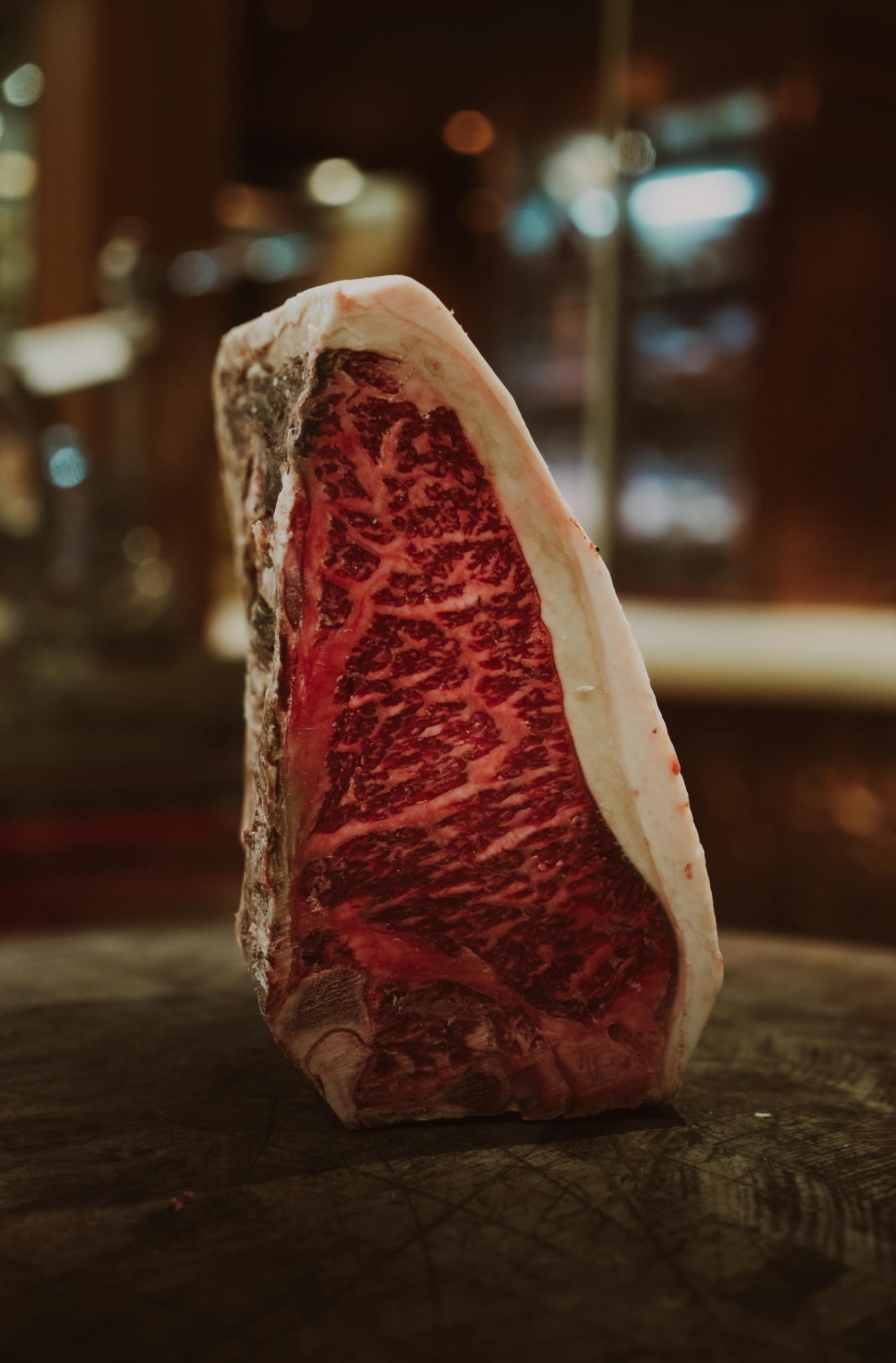
There’s nothing fussy about great steak night—just a hot pan, a little patience, and a reliable thermometer. This rib-eye gets a deep, savory crust from a quick sear, then rests before serving. Finish it with garlic-herb butter for a glossy, restaurant-style bite without the stress.
Recipe at a glance
- Yield: 2 servings
- Prep time: 15 minutes
- Cook time: 10–18 minutes (depends on thickness and doneness)
- Rest time: 5 minutes (plus 3 minutes for safe minimum rest)
- Total time: about 30–40 minutes
Ingredients
- 1 rib-eye steak (1 to 1½ inches thick), well-marbled (about 16–20 oz total)
- Kosher salt (about 1½ teaspoons, plus more to taste)
- Freshly ground black pepper (about 1 teaspoon)
- 1–2 tablespoons neutral oil (avocado, canola, or grapeseed)
- 3 tablespoons unsalted butter, divided
- 3 cloves garlic, finely chopped (or grated)
- 1 tablespoon fresh parsley, finely chopped (or 1 teaspoon dried)
- 1 teaspoon fresh thyme leaves (or ¼ teaspoon dried)
- Optional finishing squeeze: 1–2 teaspoons lemon juice
Instructions
- Prep and preheat: Pat the steak dry with paper towels. Season both sides generously with salt and pepper. Let sit at room temperature while you preheat the pan (about 10 minutes).
- Heat the skillet: Place a heavy skillet (cast iron is ideal) over high heat until very hot. Add oil and swirl to coat.
- Sear first side: Lay the steak in the pan carefully. Cook without moving for 3–6 minutes, until you see a browned crust and the edges start to look set.
- Sear the fat cap and edges: If your steak has a fat cap, use tongs to sear that edge as well—about 30–60 seconds per side—so it renders and crisps. (Avoid pressing too hard; you want crust, not smearing.)
- Flip and cook to target doneness: Flip and reduce heat to medium-high. Continue cooking until an instant-read thermometer reaches:
- Safe minimum for whole-muscle beef steaks: 145°F
- Resting: Let it rest at least 3 minutes after removing from the heat before carving/eating.
- Use texture cues alongside the thermometer: When it’s close, you can also look for a firm-to-springy feel:
- 145°F (medium): springy with some give; juices will look slightly pink when you slice.
- Overcooked (above target): noticeably firmer and drier feel.
- Under target: softer feel—give it a bit more time and recheck.
- Garlic-herb butter finish: Turn off heat. Add 2 tablespoons butter to the pan. Stir in garlic and cook just until fragrant (about 30–60 seconds). Add parsley and thyme. Spoon the melted butter over the steak for 30–60 seconds.
- Rest: Transfer steak to a plate and rest at least 5 minutes total, including at least a 3-minute rest for safe minimum doneness. This helps juices redistribute.
- Serve: Slice against the grain. Spoon any pan butter over the top. Optional: add a small squeeze of lemon juice for brightness.
Pan notes: If the steak is thick, you may need a slightly longer cook and a final check after resting. If the outside browns too fast before the center is ready, lower the heat and continue gradually.
Simple variation / swap
- No fresh herbs? Use 1 teaspoon dried Italian seasoning and skip the thyme; add the herbs later in Step 7 so they don’t scorch.
- Extra garlic flavor: Add ¼ teaspoon garlic powder with the salt, then keep the pan finish to fresh garlic only.
Serving ideas
- Roasted baby potatoes or garlic mashed potatoes
- Charred asparagus or sautéed green beans
- Simple arugula salad with a lemony vinaigrette
- Steakhouse-style mushrooms (sauté in the same pan after removing the steak)
Storage notes
- Refrigerate: Store leftover steak in an airtight container within 2 hours. Use within 3–4 days.
- Reheat: Warm gently in a skillet over medium-low with a splash of water or broth, or in a 250°F oven until just heated through. Avoid blasting it—overheating makes rib-eye tough.
- Food safety: The safest approach is to cook whole-muscle beef steak to 145°F and rest for at least 3 minutes before slicing.
Built around thermometer-confirmed doneness for whole-muscle beef minimum internal temperature and required rest guidance from FoodSafety.gov and USDA FSIS.
