
Homemade Japanese-Style Udon Noodle Soup (Brothy, Cozy, and Customizable)
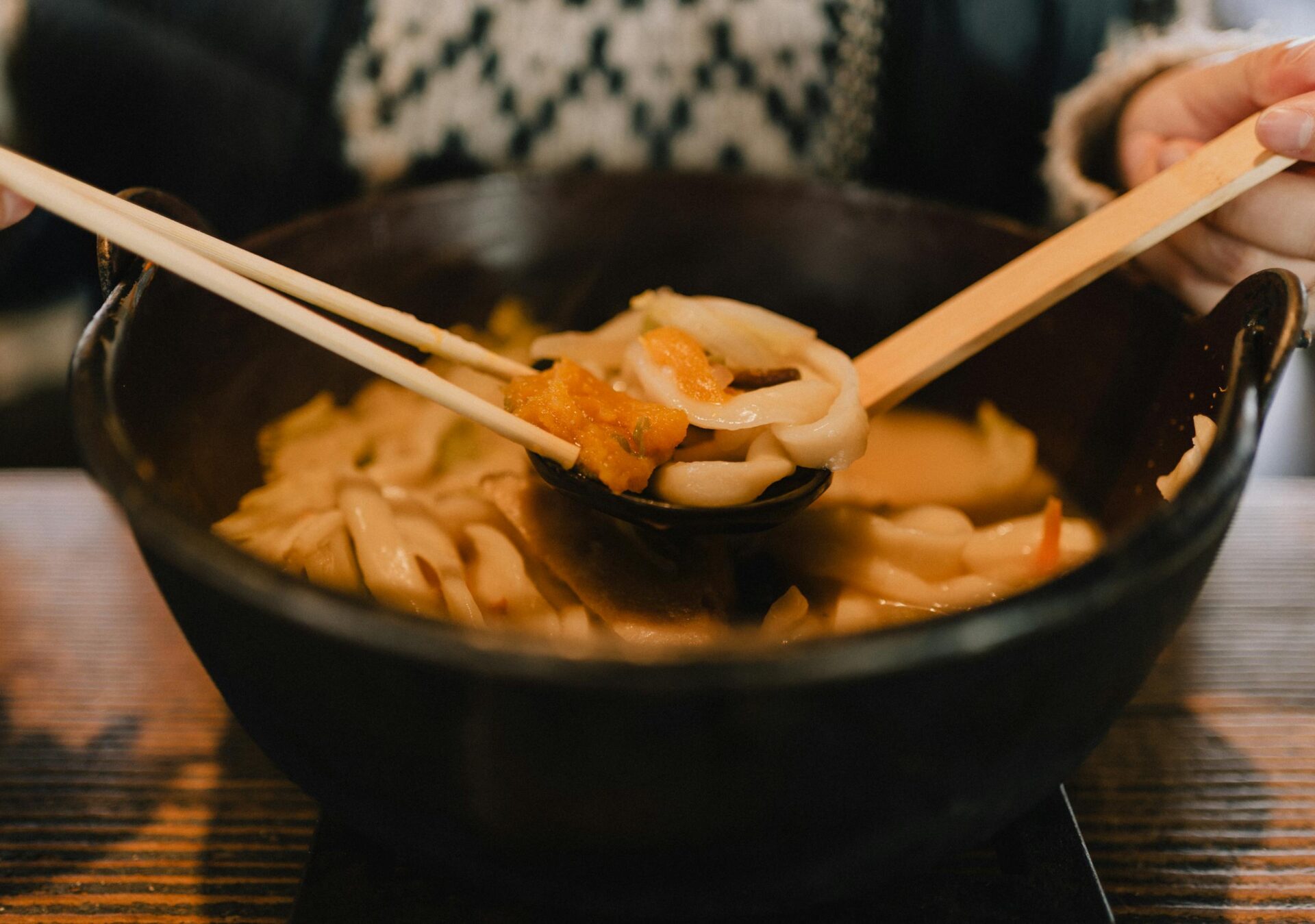
When you want something slurp-worthy but still doable on a weeknight, this Japanese-style udon noodle soup hits the spot. It’s brothy and savory, with chewy noodles and a customizable lineup of toppings—plus clear timing so the udon stays tender, not mushy.
Recipe at a glance
- Yield: 4 servings
- Prep time: 15 minutes
- Cook time: 20 minutes
- Total time: 35 minutes
Ingredients
Broth (soy-mirin + dashi-style flavor)
- 4 cups (1 liter) water
- 2 tablespoons soy sauce
- 2 tablespoons mirin
- 1 tablespoon brown sugar (or granulated sugar)
- 1 teaspoon kosher salt, plus more to taste
- 1 tablespoon rice vinegar (optional, brightens the broth)
- Dashi-style option: 1 tablespoon instant dashi (granules) or 2 cups “strong” dashi (homemade or store-bought)
Noodles and add-ins
- 2 (8–10 ounce) packages fresh or frozen udon noodles
- 2 cups mushrooms, sliced (shiitake, cremini, or a mix)
- 1 cup carrots, thinly sliced into coins or ribbons
- 10–12 ounces firm tofu, cubed (about 1-inch pieces)
Optional toppings (choose what you like)
- 1/4 cup sliced green onion
- 1 sheet toasted nori, cut into strips (or torn)
- 2–3 tablespoons toasted sesame seeds
- Spicy-sweet topping option: 2 tablespoons sriracha or chili oil mixed with 1 tablespoon honey or brown sugar
Finishing
- 1–2 tablespoons grated ginger (optional)
- Cracked black pepper (optional)
Instructions
- Make the broth base. In a medium pot over medium-high heat, combine the water, soy sauce, mirin, brown sugar, salt, and instant dashi (or your dashi). Simmer gently for 2 minutes to dissolve flavors. Taste and adjust—more soy for savoriness, a splash more mirin for sweetness, or a pinch more salt if it tastes flat.
- Cook vegetables first. Add mushrooms and carrots to the pot. Simmer 5–7 minutes, until the carrots are just tender and the mushrooms have softened.
- Warm tofu. Add tofu cubes and stir gently. Simmer 2–3 minutes—just until tofu is heated through and the broth looks lightly glossy. Turn heat to low.
- Cook udon (timing is everything for chew). While the broth simmers, cook udon according to package instructions. If using frozen, boil until tender but still chewy—typically 1–3 minutes for fresh udon and a bit longer for frozen. Texture cue: the noodles should bend and chew easily without turning overly soft or gummy.
- Rinse (optional but helpful). Drain udon and, if you want extra springiness, give it a quick rinse under warm water to remove excess surface starch. Drain well.
- Assemble. Divide udon among 4 bowls. Ladle hot broth with vegetables and tofu over noodles.
- Top and finish. Add green onion, nori, sesame seeds, and/or spicy-sweet topping (stir together sriracha/chili oil with honey/brown sugar first). Serve immediately so noodles stay chewy.
Texture and doneness cues
- Udon: tender-chewy, not falling apart. If your noodles start to look swollen or feel mushy, they’ve been boiled too long.
- Carrots: you should be able to pierce them with a fork with light resistance.
- Broth: a gentle simmer, not a hard boil, keeps the flavor steady and the tofu intact.
Tips, variations, and swaps
- Vegetable swap: replace carrots and mushrooms with bok choy, spinach, cabbage, or snap peas. Add quicker-cooking greens in the last 1–2 minutes of simmering.
- Protein swap: use thinly sliced chicken (simmered in step 2) or shrimp (added at the end until opaque).
- Make it vegetarian: use dashi-style flavor from instant dashi that matches your preference (many are fish-based). For a fully vegetarian broth, choose a vegetarian dashi substitute (look for “kombu” or “vegetarian dashi”).
- Extra ginger-garlic: stir in grated ginger (and a teaspoon of minced garlic if you like) at the very end.
Serving ideas
- Serve with steamed rice or alongside a simple cucumber salad for crunch.
- Let everyone customize: set out toppings (green onion, nori, sesame, spicy-sweet drizzle) so family-style bowls are easy.
Storage notes (and reheating safely)
- Cooling: If you have leftovers, cool soup quickly and refrigerate promptly. For food safety, follow U.S. guidance on not leaving perishable foods at room temperature too long (commonly referenced as the 2-hour rule).
- Fridge: Store in airtight containers for up to 3–4 days.
- Best quality: Udon will soften as it sits. For best texture, store broth and toppings separately from the cooked noodles if you can.
- Reheat: Reheat leftovers until steaming hot throughout. If reheating the noodles in broth, simmer briefly—just long enough to warm without overcooking.
- Freezing: Broth and toppings freeze well for up to 2 months. For best noodle texture, freeze noodles separately or freeze without the noodles and add freshly cooked udon when thawing.
