
How to Serve Pita Bread With an Iftar Meal
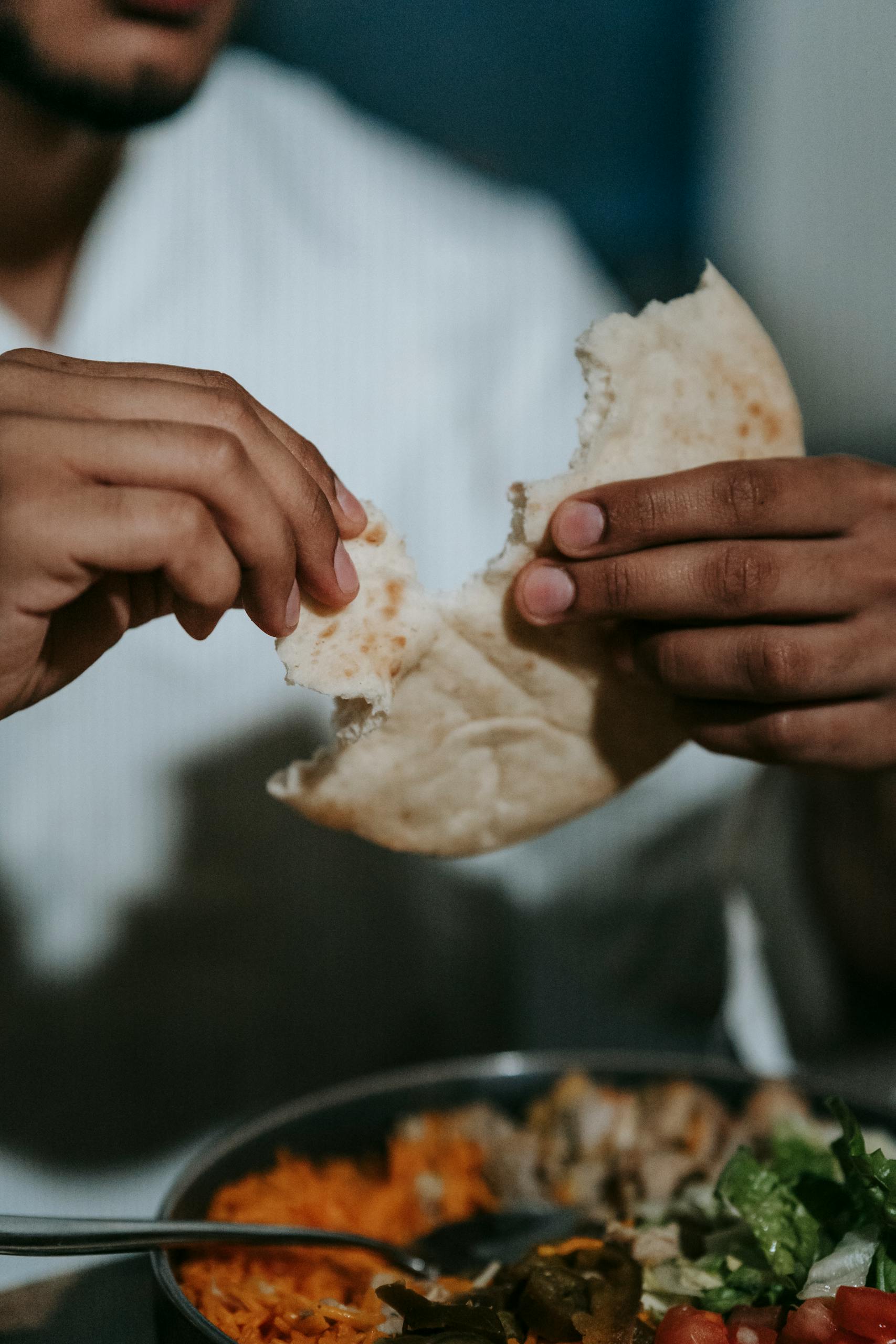
Pita bread fits naturally on an iftar table because it is easy to share, simple to warm, and useful with many kinds of dishes. Whether you are serving a small family meal or setting out a larger spread, pita can help tie the table together without requiring much last-minute work.
In simple terms, pita is a soft flatbread. USDA FoodData Central lists pita as a bread product, which is a helpful reminder to treat it like other everyday breads at home: keep it from drying out, warm it gently, and store leftovers well. It can be served with dips, salads, grain dishes, and savory mains, which makes it especially practical when the table includes a mix of foods.
Why pita works so well for iftar
Pita is flexible. It can be torn and shared, cut into wedges, or left whole for each person at the table. It is also mild in flavor, so it works with many menus without overpowering the meal. If your spread includes fresh greens, a rice or grain side, a hearty protein, or a few small dishes for passing around, pita can move easily between all of them.
Nutrition.gov encourages balanced meals built from a variety of food groups, and pita can be one practical part of that larger picture. Instead of treating it as the whole meal, think of it as a useful companion to vegetables, proteins, grains, and flavorful dips.
How to warm pita without drying it out
The biggest mistake with pita is overheating it. Too much direct heat can make it stiff or brittle. A gentler approach keeps it soft and pleasant to tear.
In the oven
Stack the pitas, wrap them in foil, and warm them in a low oven for a few minutes, just until heated through. This is one of the easiest methods when you are serving several people at once.
In a skillet
Warm one pita at a time in a dry skillet over low to medium-low heat for a short time on each side. If it seems dry, a clean kitchen towel can help trap a little steam after warming.
Wrapped for softness
King Arthur Baking’s bread guidance often emphasizes protecting bread from moisture loss, and that idea applies here too. If you want especially soft pita, wrap the stack in a clean towel after warming so the bread stays tender until dinner is served.
Easy ways to serve it
You do not need a complicated presentation. Choose the format that matches the meal and the number of people at the table.
- Whole: Good for a simple place setting or for diners who want to tear off their own pieces.
- Halved: Easy to pass and easy to portion.
- Wedges: Useful alongside dips and chopped salads.
- Torn pieces: A relaxed, communal option for family-style meals.
If you are setting out several dishes at once, a lined basket or towel-wrapped bowl helps keep the bread warm and easy to grab.
What to pair with pita at iftar
Pita works best when you keep the pairings broad and practical. It is especially useful with:
- Dips: Smooth, creamy, or chunky dips all work well with pita wedges or torn pieces.
- Chopped salads: Fresh salads with crisp vegetables and herbs pair nicely with warm bread.
- Rice and grain dishes: Pita adds another texture to the plate and helps round out the meal.
- Roasted or stewed proteins: Warm bread is handy for scooping sauces or eating alongside savory mains.
This kind of flexibility matters on busy evenings. You can use one package of pita across several dishes instead of planning a separate starch for each part of the meal.
Make-ahead, storage, and freezing tips
If the pita will be eaten within a day or two, keep it well wrapped at room temperature. For a little longer storage, refrigerate it, though cold storage can dry bread out faster. For the best long-term option, freeze it in a tightly wrapped bag or container.
To reheat from frozen, thaw the pita at room temperature or warm it gently while wrapped so it regains softness. Avoid long reheating, which can make it tough.
If you have extra pita after dinner, turn it into tomorrow’s lunch bread, toast it lightly for dipping, or cut and bake it into simple chips. Just be sure the bread still smells fresh and has not dried past the point of being enjoyable.
Leftover safety reminders
The bread itself is usually straightforward to store, but the foods served with it may need quicker attention. Per food-safety guidance from the U.S. government, prepared dishes should not sit out for extended periods at room temperature. Refrigerate leftovers promptly in shallow containers so they cool more quickly.
If pita was on a platter with dips, salads, or meat dishes, separate the leftovers before storing when possible. That helps preserve texture and keeps the bread from becoming soggy.
The easiest approach is also the most useful: warm only what you expect to eat soon, keep the rest wrapped, and refrigerate the rest of the meal promptly. That keeps the pita soft, cuts down on waste, and makes the next meal easier too.
