
How to Roast Chicken for a Special Dinner Without Guessing at Doneness
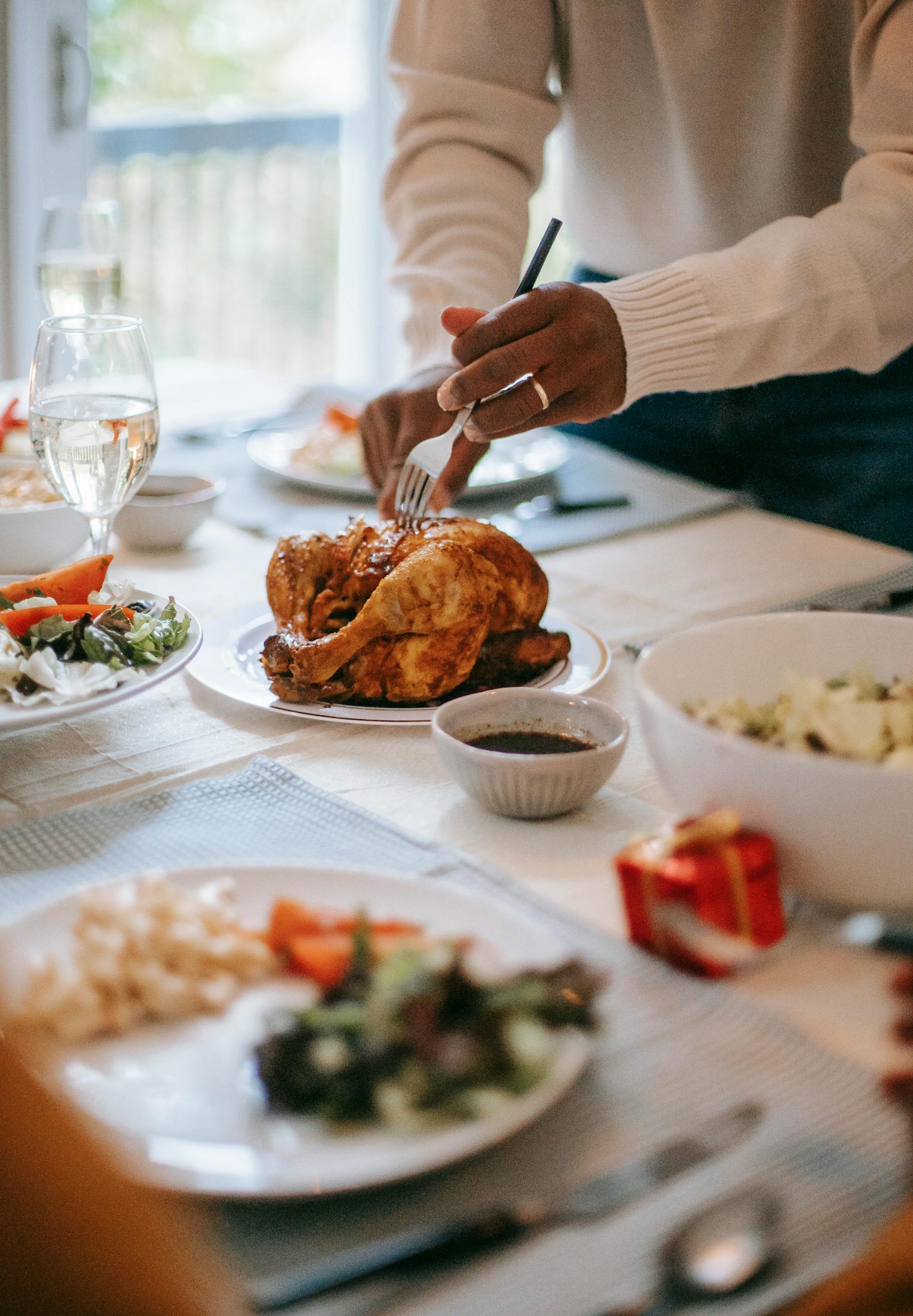
Roast chicken has a way of making dinner feel a little more special without turning the kitchen into an all-day project. It is a practical centerpiece for a family meal, a casual gathering, or a holiday-adjacent dinner when you want something comforting and generous.
The key is not fancy technique. It is confidence. And the easiest way to get that confidence is to stop guessing about doneness.
How to know roast chicken is done
According to USDA FSIS, whole chicken is safely cooked when it reaches an internal temperature of 165 degrees F. That is the number to trust.
Use a food thermometer and check the temperature in three places: the innermost part of the thigh, the innermost part of the wing, and the thickest part of the breast. USDA FSIS recommends checking all of these areas because whole birds can cook unevenly, and you want every part of the chicken to be safely done.
If one area has not reached 165 degrees F yet, return the chicken to the oven and check again after a short stretch of cooking. A thermometer takes the stress out of serving and helps you avoid both undercooked meat and an overbaked bird.
Why color and juices are not enough
It is easy to fall back on old kitchen advice like looking for clear juices or cutting into the meat to check whether it still looks pink. But USDA FSIS says color is not a reliable sign of safety. Chicken can look done before it reaches a safe temperature, and it can still have pink tones even after it is fully cooked.
That is why appearance alone should not make the call. If you are cooking for guests, kids, or anyone who just wants dinner without second-guessing, a thermometer is the simplest tool on the table.
Easy ways to make the meal feel special
A special roast chicken dinner does not need a long ingredient list. A few familiar flavors can make it feel company-worthy without adding much effort.
Try one simple direction:
- Herb butter under or over the skin
- Lemon and garlic tucked around the chicken or used as finishing flavors
- Pan juices spooned over sliced meat before serving
- A sprinkle of fresh herbs at the table
For sides, keep the rest of the meal flexible and easy. A crisp salad, roasted vegetables, potatoes, rice, or warm bread all work well. If you are feeding a mix of adults and kids, pairing the chicken with one fresh side and one comfort-food side is often enough to make the dinner feel complete.
You do not need to overbuild the menu. Roast chicken already brings the centerpiece energy. The sides should support it, not compete with it.
Raw chicken handling basics to keep in mind
Before the chicken goes into the oven, good handling matters just as much as seasoning. One of the most important reminders from USDA FSIS is not to wash raw chicken. Rinsing it does not make it safer, and it can spread bacteria through water droplets onto the sink, counters, and nearby kitchen tools.
Instead, open the package carefully, pat the chicken dry with paper towels only if needed, and clean and sanitize anything that touched the raw poultry or its juices. That includes cutting boards, knives, plates, countertops, and your hands.
It is also smart to keep raw chicken separate from salad ingredients and foods that will be eaten without further cooking. If your dinner includes fresh greens, bread, or cold sauces, prep those away from the raw poultry area whenever possible.
Leftovers: refrigerate promptly and use them in time
Once dinner is over, do not let leftovers linger on the table for too long. USDA FSIS advises refrigerating cooked chicken and other perishables within 2 hours. If the room or outdoor setting is especially hot, that window gets shorter.
Store leftovers in shallow containers so they cool faster, and refrigerate them promptly. USDA FSIS guidance says cooked chicken leftovers are best used within 3 to 4 days.
That makes roast chicken especially appealing for practical home cooks. One dinner can turn into easy next-day meals like chicken salad, soup, grain bowls, sandwiches, or a simple pasta toss. Just make sure the leftovers are handled quickly and stored well.
The takeaway
A roast chicken dinner can absolutely feel warm, generous, and occasion-ready without requiring guesswork. The most important step is using a food thermometer and checking for 165 degrees F in the thigh, wing area, and thickest part of the breast.
From there, keep the flavors simple, skip washing the raw chicken, and refrigerate leftovers promptly. That combination gives you a dinner that feels relaxed and welcoming, with the food-safety basics covered too.
