
Herb-and-Chili Roast Chicken with a Simple Pan Sauce
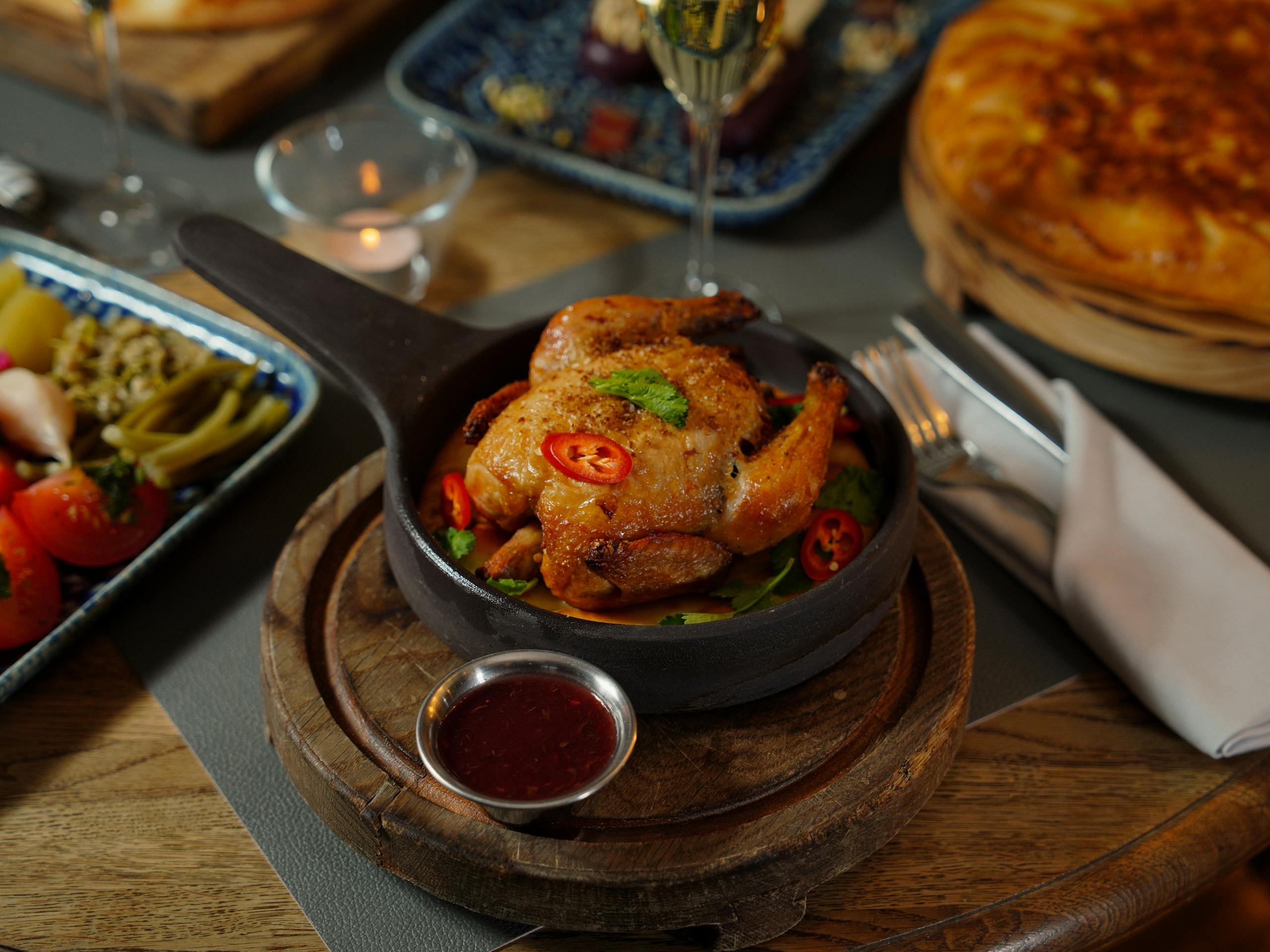
A small roast chicken is one of those meals that feels special without asking for complicated prep. With a hot oven, a good thermometer, and a handful of fresh herbs and sliced red chili for brightness, you can serve a dinner that’s equally at home on a Sunday table or a busy weeknight.
Ingredients (Serves 3–4)
- 1 small whole chicken (about 3½–4 pounds)
- 1–2 tablespoons neutral oil or olive oil
- Kosher salt
- Freshly ground black pepper
- 1 fresh red chili, thinly sliced
- 2–3 tablespoons chopped fresh herbs (such as parsley or cilantro)
- ½ cup low-sodium chicken broth, dry white wine, or a squeeze of lemon plus broth (for the pan sauce)
Step 1: Prep for Crisp Skin
Preheat your oven to 425°F. Pat the chicken very dry with paper towels, inside and out. Removing surface moisture is one of the simplest ways to encourage crisp, golden skin.
Rub the chicken lightly with oil and season generously with salt and pepper. Place it breast-side up in a small roasting pan or oven-safe skillet. If you like, tuck the wing tips under the body and tie the legs loosely with kitchen twine to help it cook evenly.
Step 2: Roast at High Heat
Roast the chicken at 425°F until the thickest part of the thigh reaches 165°F on an instant-read thermometer. The U.S. Department of Agriculture lists 165°F as the safe minimum internal temperature for poultry.
Insert the thermometer into the thickest part of the thigh without touching bone for an accurate reading. Depending on the size of your bird and your oven, this can take about 60 to 90 minutes. If the skin browns too quickly, tent loosely with foil.
Step 3: Rest Before Carving
Once the chicken reaches temperature, transfer it to a cutting board and let it rest for 10 to 15 minutes. Resting allows the juices to redistribute so they stay in the meat instead of running onto the board.
Step 4: Make a Simple Pan Sauce
While the chicken rests, pour off most of the fat from the roasting pan, leaving the browned bits behind. Place the pan over medium heat on the stovetop and add broth or wine. Scrape up the flavorful bits with a wooden spoon and let the liquid simmer until slightly reduced. Taste and adjust with salt, pepper, or a squeeze of lemon.
Strain if you prefer a smoother sauce, or serve it as-is for a rustic finish.
Finish with Chili and Herbs
Carve the chicken and arrange on a platter. Spoon some warm pan sauce over the top and sprinkle with thinly sliced red chili and a generous handful of chopped fresh herbs. The chili adds gentle heat and color; the herbs bring freshness that balances the rich, crisp skin.
Serving Ideas
- Serve with roasted potatoes or a loaf of crusty bread to soak up the sauce.
- Add a simple green salad dressed with lemon and olive oil for contrast.
- Pair with roasted seasonal vegetables for an easy, complete meal.
Food Safety Basics for Roast Chicken
According to USDA Food Safety and Inspection Service guidance, poultry should reach an internal temperature of 165°F to be considered safe. Always use a food thermometer rather than relying on color alone.
The USDA also advises against washing raw chicken, as splashing water can spread bacteria around your sink and countertops. Instead, focus on preventing cross-contamination: keep raw chicken separate from ready-to-eat foods, wash hands thoroughly after handling, and clean cutting boards and utensils with hot, soapy water.
Refrigerate leftovers within 2 hours of cooking. Cooked chicken can be stored in the refrigerator for 3 to 4 days. Slice or shred leftovers for sandwiches, salads, or quick soups later in the week.
Money-Saving Variation
If whole chickens are pricey in your area, try the same method with split chicken breasts or leg quarters. These cuts often cost less per pound and roast beautifully at 425°F. Just adjust cooking time and continue to check for that 165°F internal temperature.
Roast chicken doesn’t need a long ingredient list to feel complete. With crisp skin, a bright finish of chili and herbs, and a quick pan sauce made from what’s already in the pan, it’s a timeless technique that rewards good ingredients and careful cooking.
