
Classic Pecan Pie for Spring Gatherings (With Smart Storage and Ingredient Swaps)
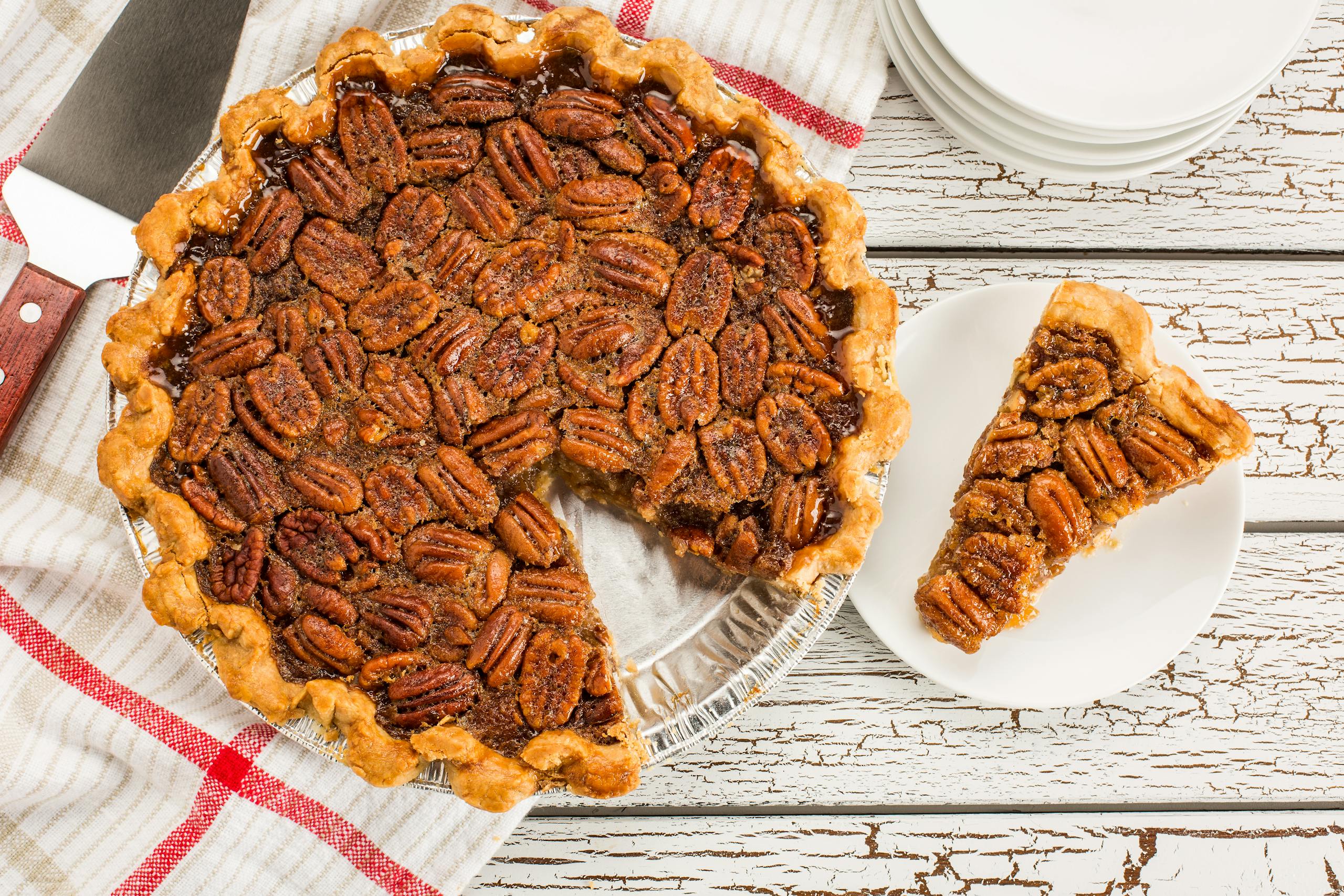
An overhead slice of pecan pie on a white plate says it all: glossy, nutty filling, a golden crust, and that just-set center that holds its shape without turning soupy. This classic 9-inch pecan pie is designed for home cooks who want reliable results, clear doneness cues, and practical storage guidance—whether you’re baking for Easter, a spring potluck, or a simple Sunday supper.
Ingredients (9-inch pie)
- 1 unbaked 9-inch pie crust (homemade or store-bought)
- 1 cup light corn syrup
- 1 cup packed light or dark brown sugar
- 3 large eggs
- 1/4 cup (4 tablespoons) unsalted butter, melted
- 1 teaspoon pure vanilla extract
- 1/2 teaspoon fine salt
- 1 1/2 to 2 cups pecan halves
This structure follows the classic formula used by King Arthur Baking: eggs to set the custard, sugar and syrup for sweetness and texture, and butter for richness. The pecans float and toast on top as the filling bakes, creating that signature crackly surface and tender center.
How to Make It
- Heat the oven to 350°F. Place the unbaked crust in a 9-inch pie plate and set it on a rimmed baking sheet for easy transfer.
- Mix the filling. In a large bowl, whisk together the corn syrup, brown sugar, eggs, melted butter, vanilla, and salt until smooth. Avoid whipping in excess air—just mix until combined.
- Add the pecans. Stir in the pecans or scatter them evenly over the crust and pour the filling over top.
- Bake. Bake for 50 to 60 minutes, until the edges are set and the center is slightly jiggly but not liquid.
- Cool completely. Let the pie cool at room temperature for at least 2 hours before slicing. The filling continues to set as it cools.
King Arthur Baking’s pie guide notes that custard-style pies should look set at the edges with a gentle wobble in the center—think soft gelatin, not a wave. Overbaking can cause cracks; underbaking leads to a runny slice.
How to Prevent a Runny Filling
- Measure carefully. Too much liquid sweetener can keep the pie from setting.
- Bake long enough. The center should jiggle slightly, not slosh.
- Cool fully. Cutting too soon is one of the most common causes of a messy slice.
Because pecan pie contains eggs, it falls into the category of egg-based dishes that should reach a safe internal temperature of 160°F, according to FoodSafety.gov. If you prefer to check with an instant-read thermometer, insert it near the center without touching the crust.
How to Protect the Crust
If the crust edges brown too quickly, loosely tent them with foil or use a pie shield. King Arthur Baking recommends shielding the rim once it’s golden to prevent overbrowning while the center finishes baking.
Serving Ideas
- Serve slightly warm or at room temperature with softly whipped cream.
- Add a scoop of vanilla ice cream for a classic contrast to the nutty filling.
- Pair with strong coffee or hot tea to balance the sweetness.
Pecans themselves bring rich flavor and texture; USDA FoodData Central notes they’re naturally high in fat, which explains their buttery taste and why they toast so beautifully in the oven.
Storage Tips
- Room temperature: You can keep a freshly baked pecan pie at room temperature for up to 2 hours while serving.
- Refrigerator: After that, cover and refrigerate for up to 4 days. Because it’s egg-based, chilling is the safest long-term option.
- Freezer: Wrap the completely cooled pie tightly in plastic wrap and foil. Freeze for up to 2 months. Thaw overnight in the refrigerator.
For make-ahead planning, bake the pie a day in advance and refrigerate. Let it sit at room temperature for about 30 minutes before serving for the best texture.
Money-Saving Tip: Stretch the Corn Syrup
If you’d like to reduce the amount of corn syrup, you can replace up to half of it with additional brown sugar or pure maple syrup. Keep in mind:
- More brown sugar: The filling will be slightly thicker and deeper in molasses flavor.
- Maple syrup: The pie will taste more maple-forward and may be a bit softer in the center.
Because corn syrup helps create that smooth, classic texture, swapping part—but not all—maintains structure while trimming cost or using what’s already in your pantry.
Whether you bake it in a simple foil pan like the one pictured or your favorite ceramic dish, this pecan pie is about dependable technique: set edges, a gentle jiggle in the center, and enough cooling time to reward you with clean slices. It’s the kind of pie that feels right at home on a holiday table—and just as welcome on an ordinary weeknight when you want something timeless and a little celebratory.
