
Classic Strawberry Shortcake with Sponge Cake and Fresh Whipped Cream
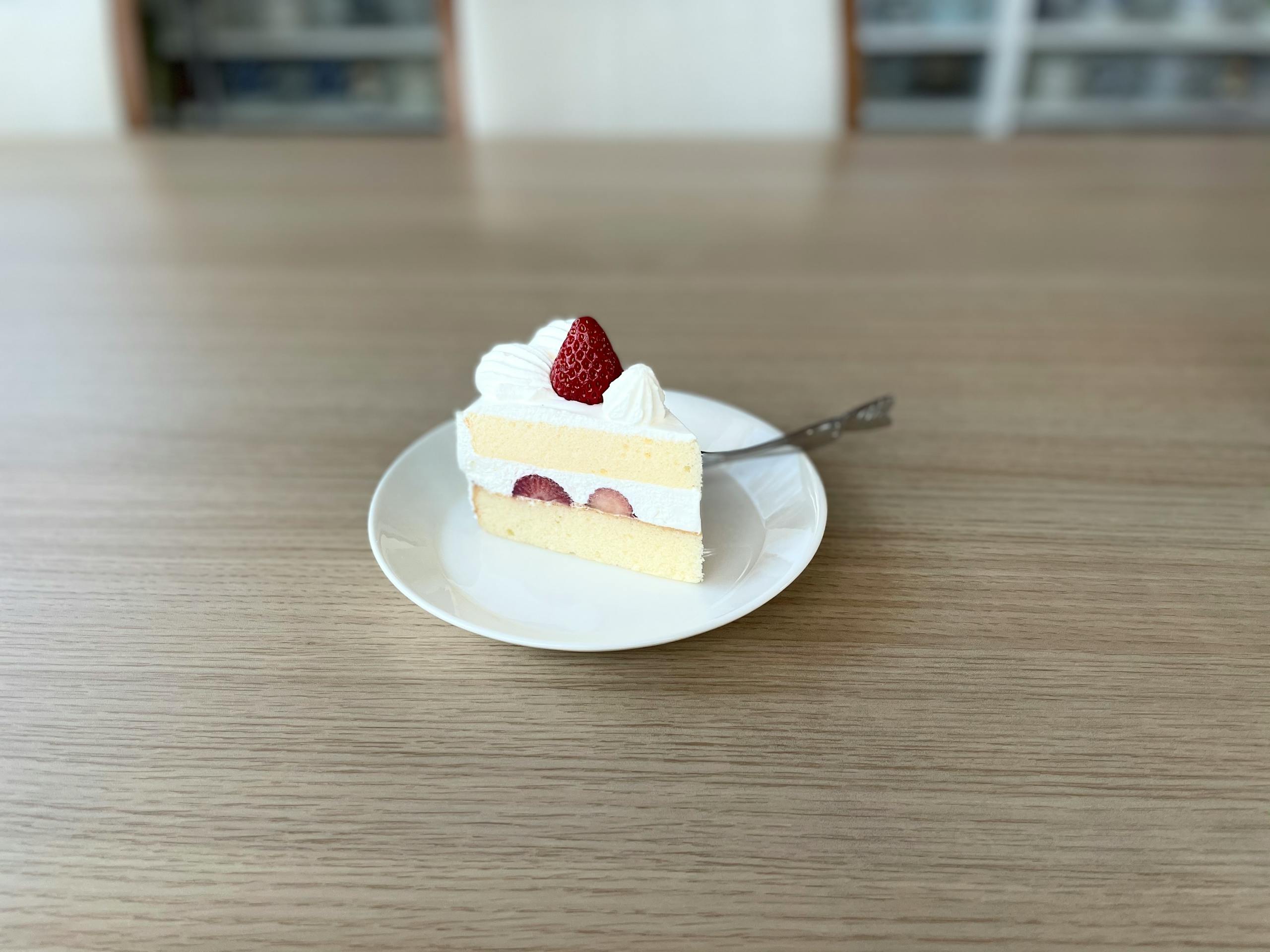
There’s something timeless about a slice of strawberry shortcake built with tender sponge cake, soft whipped cream, and juicy strawberries. It’s light enough for spring, celebratory enough for summer gatherings, and simple enough for a weekend baking project.
In the United States, “shortcake” can mean two different things: a biscuit-style base or a soft sponge cake. This version leans into sponge cake for a lighter texture that soaks up strawberry juices without feeling heavy.
Sponge vs. Biscuit Shortcake: What’s the Difference?
Biscuit-style shortcake is crumbly and buttery, similar to a lightly sweetened biscuit split and filled with berries and cream. Sponge-style shortcake is more like a classic layer cake—airy, tender, and built on whipped eggs for structure.
According to the King Arthur Baking Cake Guide, sponge cakes rely on properly aerated eggs and gentle mixing to create lift. That airy structure makes them ideal for layering with fruit and cream, especially when you want clean slices and a softer crumb.
How to Bake a Reliable Sponge Cake
A classic sponge cake doesn’t need complicated ingredients, but it does require attention to technique.
- Aerate the eggs well. Whether you’re whipping whole eggs with sugar or separating and whipping whites, volume is key. Proper aeration builds structure without heavy fats.
- Fold gently. Once flour is added, use a light hand. Overmixing can deflate the batter and create a dense cake.
- Watch for doneness cues. The cake should spring back lightly when touched and pull just slightly from the sides of the pan.
- Cool completely. Warm cake and whipped cream do not mix well. Let layers cool fully before assembling.
If you prefer a shortcut, a simple vanilla sponge or even a plain store-bought sponge cake can work. The focus is on fresh berries and cream, so the base should be soft and neutral.
Preparing Fresh Strawberries Safely
Strawberries are the star, so handle them with care. The FDA advises rinsing fresh produce under running water just before use, rather than soaking in standing water. Pat berries dry, then hull and slice.
To bring out flavor, toss sliced strawberries with a little sugar and let them rest for about 20 to 30 minutes. This process—called macerating—draws out juices and creates a natural syrup.
Before layering, consider draining off some of the excess liquid. Too much juice can soak into the sponge and make it soggy. Save that syrup for spooning lightly over individual slices instead.
Store strawberries in the refrigerator and use them within a few days for the best flavor and texture. Keep them unwashed until you’re ready to prep, as extra moisture can shorten their shelf life.
Whipped Cream Done Right
Fresh whipped cream gives strawberry shortcake its signature softness. Start with cold heavy cream and a chilled bowl. Beat until soft to medium peaks form—soft peaks will gently fold over; medium peaks hold their shape but are still smooth.
A spoonful of powdered sugar helps sweeten and slightly stabilize the cream. For gatherings or warmer weather, you can stabilize further by blending in a small amount of softened cream cheese or using dissolved gelatin, which helps the cream hold longer in the refrigerator.
Even stabilized whipped cream should be kept chilled. Dairy-based desserts shouldn’t sit out for more than two hours at room temperature.
Assembling for Clean, Beautiful Slices
For neat layers:
- Place one cooled sponge layer on a serving plate.
- Add a layer of whipped cream, spreading to the edges.
- Spoon on drained strawberries.
- Top with the second layer and finish with more cream and berries.
Assemble close to serving time when possible. If you need to prepare ahead, bake the cake layers a day in advance and store tightly wrapped at room temperature. Whip the cream and prep the berries the day of serving, then assemble a few hours before guests arrive and refrigerate until ready.
Storage and Food-Safety Tips
Once assembled, strawberry shortcake should be refrigerated. For best quality, enjoy within 3 to 4 days. Keep it covered so the cake doesn’t dry out or absorb refrigerator odors.
If serving outdoors in warm weather, return the cake to the refrigerator promptly. Following the two-hour rule for dairy-based desserts helps reduce food-safety risks.
Seasonal Strawberry Shopping in the U.S.
In many U.S. regions, peak strawberry season runs from spring into early summer, though availability varies by state. Look for berries that are bright red, fragrant, and free of large bruises. Because strawberries don’t continue ripening after harvest, choose ones that already have full color.
A simple sponge cake, sweet strawberries, and freshly whipped cream may sound humble, but when each component is handled with care, the result feels special. It’s the kind of dessert that bridges generations—easy enough for a family baking project and elegant enough for a celebration.
