
Homemade Poppy Seed Bread Rolls (Soft, Buttery, and Easy to Shape)
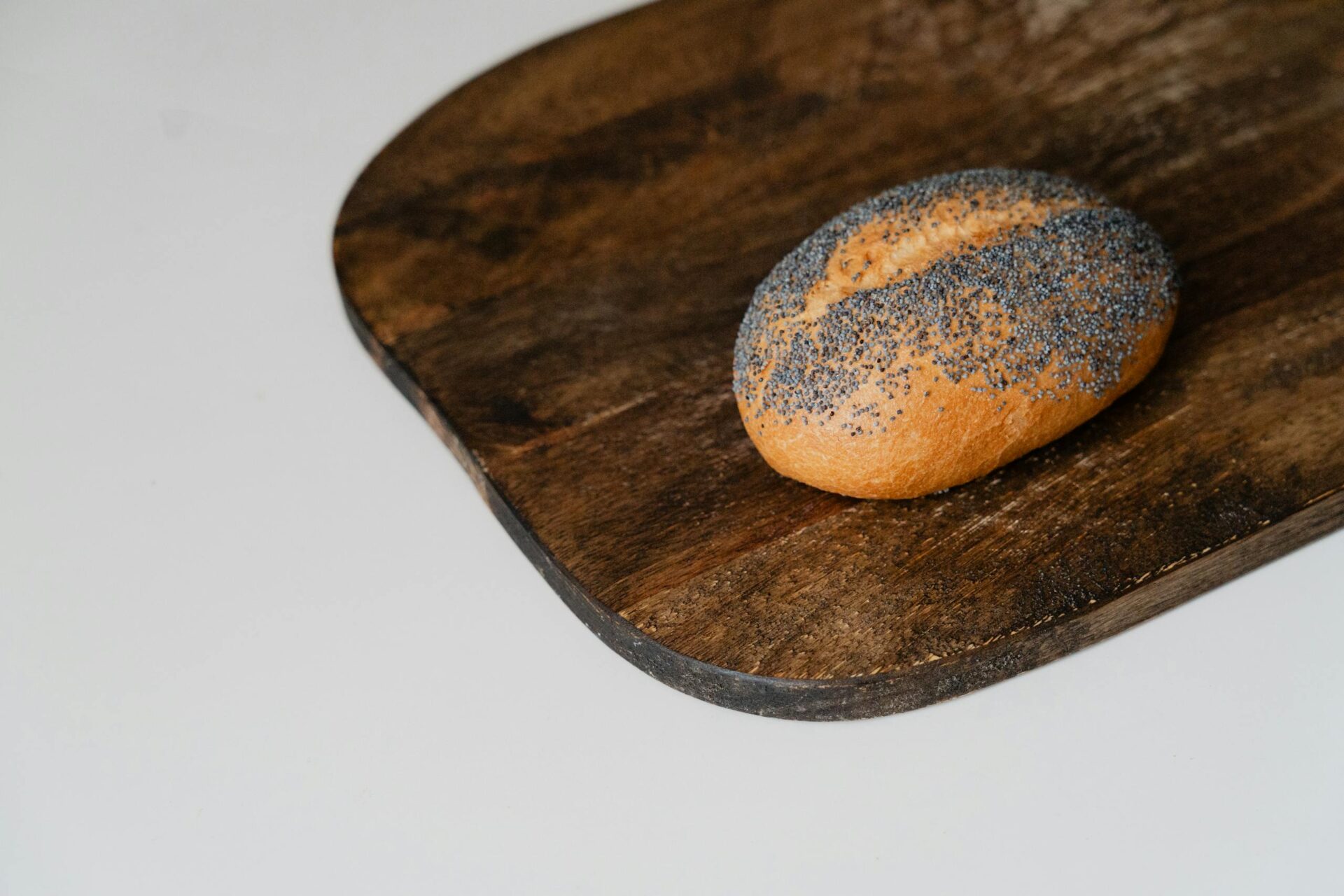
These bakery-style homemade poppy seed bread rolls are soft, lightly golden, and studded with poppy seeds. The dough is enriched (but still easy to work with), and the method includes practical cues for when it’s ready to shape and when the rolls are done.
Recipe at a glance
- Yield: 12 rolls
- Prep time: 25 minutes
- Cook/Bake time: 14–18 minutes
- Rise time: 1 hour 30 minutes (plus optional extra 10–20 minutes if your kitchen is cool)
- Total time: about 2 hours 15 minutes
Ingredients
Dough
- 1 cup (240g) warm milk, 105–115°F (43–46°C)
- 2 1/4 teaspoons (7g) instant yeast
- 1/4 cup (50g) granulated sugar
- 1 large egg
- 1/4 cup (56g) unsalted butter, melted and cooled slightly
- 3 cups (360g) all-purpose flour, plus more as needed
- 1 1/2 teaspoons kosher salt
- 1/3 cup (about 50g) poppy seeds
Quick buttery finish
- 3 tablespoons unsalted butter, melted
- 1–2 teaspoons milk or water (to thin, optional)
- Pinch of flaky salt (optional)
Optional variation: cinnamon-raisin poppy rolls
- 1/2 cup (70g) raisins
- 2 teaspoons ground cinnamon
- 2 tablespoons sugar
Instructions
- Prep your bake area. Heat the oven to 375°F (190°C). Line a baking sheet with parchment or lightly grease a 9×13-inch pan.
- Mix the dough. In a large bowl (or stand mixer), combine warm milk, yeast, and sugar. Add the egg and melted butter. Mix until smooth. Add flour and salt. Mix until a shaggy dough forms, then knead 8–10 minutes by hand (or 6–8 minutes on medium in a stand mixer) until smoother and elastic.
- Work in the poppy seeds. Knead in poppy seeds until evenly distributed. The dough should feel soft but not sticky; if it’s very tacky, add flour 1 tablespoon at a time (up to about 2 tablespoons total).
- First rise. Place dough in a lightly greased bowl, cover, and let rise until noticeably puffy and expanded—about 45–60 minutes. A reliable readiness test: gently press two fingers into the dough about 1/2 inch. If the indentation springs back slowly and the dough doesn’t fully collapse, it’s ready. If it springs back instantly, it may need more time.
- Shape the rolls. Turn dough onto a lightly floured surface. Divide into 12 equal pieces (about 70–75g each). Roll each piece into a smooth ball, then gently flatten into a small disk and tuck edges underneath for a tidy top.
- Optional cinnamon-raisin method. After the first rise, roll dough into a rectangle. Sprinkle with cinnamon and sugar, dot with raisins, then roll up tightly and slice into 12 pieces before shaping as balls.
- Second rise. Arrange rolls on the baking sheet with a little space between. Cover and let rise until puffed—about 25–35 minutes. Check readiness using a gentle poke: when poked lightly, the dough should leave a shallow dent that slowly fills in, not bounce back quickly.
- Bake. Bake 14–18 minutes, until tops are golden and the rolls sound hollow when tapped lightly. If you use a thermometer, aim for an internal temperature around 190°F (88°C) for fully baked centers.
- Finish and cool. Immediately brush with melted butter (thin with a teaspoon or two of milk/water if needed). Cool on the pan for 5 minutes, then transfer to a rack to finish cooling. For best texture, let rolls cool at least 20 minutes before serving.
Texture and doneness cues
- Before baking: rolls should look visibly larger and feel airy but still hold shape.
- After baking: golden tops, set-looking dough (no wet shine), and a hollow sound when tapped.
Serving ideas
- Warm and simple: butter and a drizzle of honey or jam.
- Dinner table: serve alongside pasta, roasted chicken, or a hearty soup.
- Breakfast move: slice open and use like a sweet roll with cream cheese or nut butter.
- Brunch platter: add smoked salmon and lemon zest for an elegant, crowd-friendly bite.
Tips, swaps, and storage
- Yeast success: If your kitchen is cool, give the dough extra time during rises. If yeast doesn’t seem to wake up (no activity at all after mixing), start over with fresh yeast.
- Flour swap: For a slightly heartier roll, substitute up to 1/2 cup of the all-purpose flour with whole wheat flour. Expect a softer, less tall rise.
- Storage: Keep rolls airtight at room temperature up to 2 days. For longer storage, refrigerate up to 4 days (they’ll firm up—reheat to refresh).
- Reheating: Warm in a 300°F (150°C) oven for 5–8 minutes or microwave briefly (15–25 seconds) if you prefer softer texture.
- Freezing: Freeze baked, cooled rolls airtight up to 2 months. Thaw overnight in the fridge, then reheat in a 300°F (150°C) oven until warm.
Food-safety note: Don’t taste raw yeast dough. Wash hands and surfaces after handling flour or dough.
