
Garlic-Herb Shrimp Spaghetti with Cherry Tomatoes
Late-summer cherry tomatoes and sweet, juicy shrimp make a weeknight pasta dinner that tastes like you worked harder than you did. This garlic-herb spaghetti comes together in one pan: tomatoes blister into a glossy sauce, shrimp cook quickly until just opaque, then everything gets tossed with al dente pasta and a squeeze of lemon.
Original recipe: 4 servings.
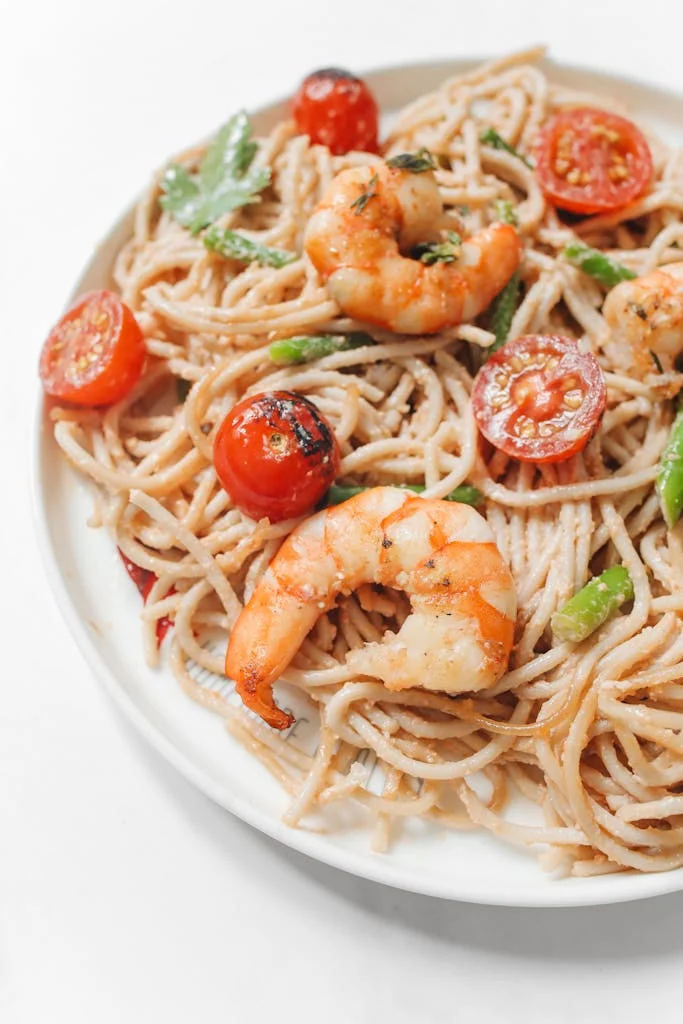
Polina Tankilevitch / Pexels · Photo source · License
How much are you cooking?
4 portions · 1 full batch · 2 portions now · 2 for later
Keep the original-size recipe and equipment. Prepare additional complete batches if you need more; reserve any extra portions.
For the original batch: Reserve portions before serving. Keep any dressing, crisp bread, garnish and uncooked salad separate. For later meals, reheat only the cooked portion you need and prepare fresh finishing ingredients at serving time.
Choose the total you want to cook, including any portions reserved for another meal. Repeating this dish on your calendar uses that same batch.
Ingredients
- 12 oz spaghetti
- 1 lb large shrimp, peeled and deveined (fresh or thawed frozen)
- 2 tbsp olive oil, plus more for drizzling
- 4 cloves garlic, thinly sliced
- 1 pint (about 12 oz) cherry tomatoes
- 1/2 tsp kosher salt, plus more for pasta water
- 1/4 tsp black pepper
- 1/2 tsp red pepper flakes (optional)
- 1/2 tsp dried oregano or Italian seasoning (optional)
- 1/4 cup chopped fresh parsley
- 2 tbsp chopped fresh basil or more parsley (optional)
- Zest of 1/2 lemon (optional)
- 1 lemon, cut into wedges
- 1/2 cup grated Parmesan (optional)
- Reserved pasta water (as needed)
Method
Recipe by Heather Schiefelbein.
- Cook the pasta. Bring a large pot of salted water to a boil. Cook spaghetti until al dente (tender with a little bite). Before draining, reserve at least 1 cup of pasta water.
- Pat shrimp dry. Pat shrimp dry with paper towels. Season with a pinch of salt and black pepper.
- Blister the tomatoes. In a large skillet over medium-high heat, warm 2 tbsp olive oil. Add cherry tomatoes and the remaining salt (about 1/2 tsp total). Cook 5–7 minutes, stirring occasionally, until tomatoes blister, split, and release their juices into a glossy “sauce.”
- Cook the garlic. Stir in sliced garlic (and red pepper flakes and oregano/Italian seasoning if using). Cook 30–60 seconds, just until fragrant—don’t let garlic brown.
- Cook the shrimp. Add shrimp to the skillet in a single layer. Cook 2–3 minutes, stirring once or twice, until shrimp are opaque and just firm with a pinkish-orange color. They should not look translucent in the thickest part.
- Toss and finish. Add drained spaghetti to the skillet. Toss well, adding splashes of reserved pasta water (start with 1/4 cup) until the sauce clings to the noodles and looks silky rather than watery.
- Season to bright perfection. Turn off heat. Stir in parsley (and basil if using), lemon zest (if using), and squeeze in fresh lemon juice to taste. Add Parmesan if desired.
- Serve. Plate immediately and finish with extra herbs and more lemon wedges on the side.
Serving, later meals and useful notes
Reserve portions before serving. Keep any dressing, crisp bread, garnish and uncooked salad separate. For later meals, reheat only the cooked portion you need and prepare fresh finishing ingredients at serving time.
Refrigerate perishable leftovers promptly in shallow covered containers, within 2 hours (1 hour above 90°F). Keep at 40°F or colder and use within 3–4 days, or any shorter period stated for this dish. Reheat cooked leftovers to 165°F; bring soups and sauces to a boil. Reheating does not restart the storage time.
Shrimp: opaque and firm, not rubbery or dry. If they curl tightly and turn tough, they’ve gone too far. Tomatoes: blistered and glossy, with juices thickened from quick cooking—not raw or watery. Pasta: al dente, since it will loosen slightly during tossing.
Swap shrimp size: Smaller shrimp cook faster (start checking at 2 minutes). Jumbo shrimp may need an extra minute—use the opaque/firm cue. Herb swap: Parsley + basil are classic, but dill, tarragon, or a bit of chopped chives work beautifully. Add a splash: If the sauce seems thick, loosen with pasta water; if it’s too loose, simmer 30 seconds. Vegetarian option: Replace shrimp with sautéed mushrooms or chickpeas. Cook them until browned, then toss with the tomato-garlic sauce and herbs. Lower-salt version: Reduce the salt for the sauce to 1/4 tsp and season to taste at the end.
Put the meal together.
Choose the companions that help this meal. Portions and ingredients stay connected in your plan.
 side
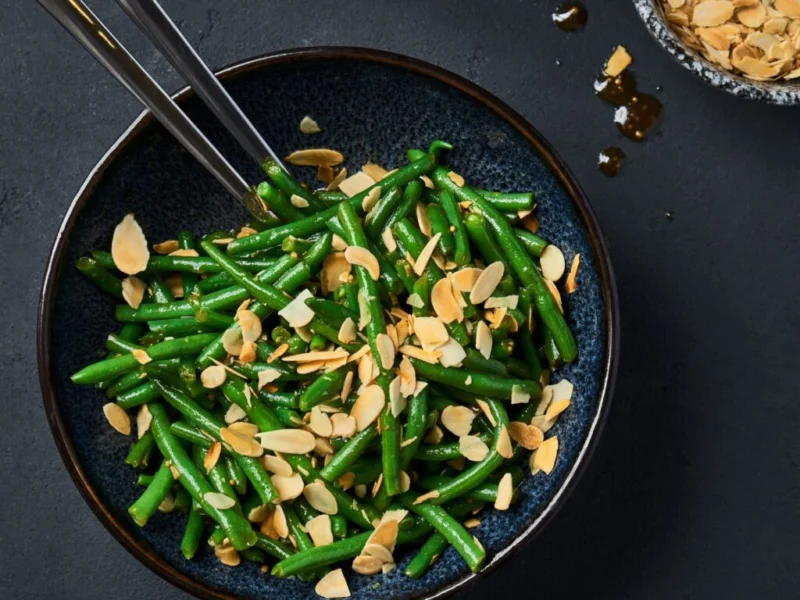
sideGreen Bean Almondine: A Classic Side Dish with a Modern Twist
About 4 servings (estimated) per full batch
 side
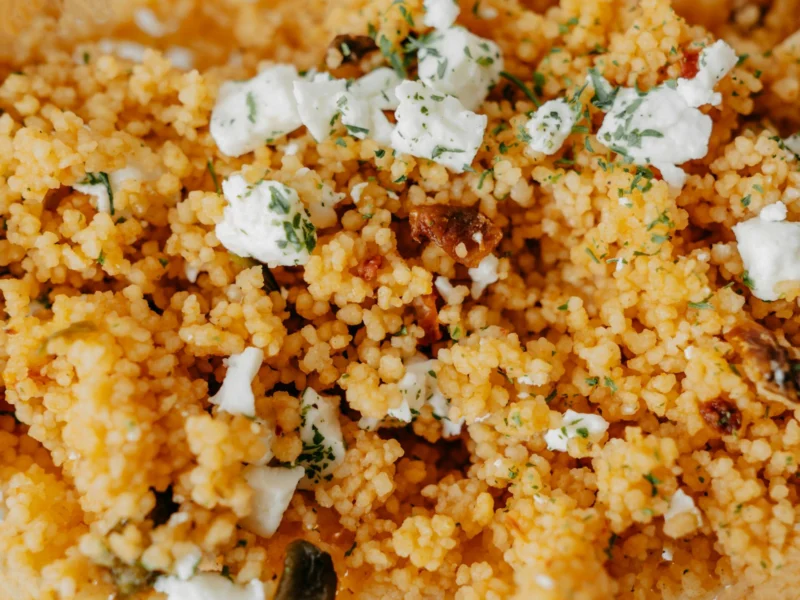
sideLemony Couscous Salad with Crumbled White Cheese and Fresh Herbs
6 servings per full batch
These are published Cyrus Ramsey recipes; editorial checks are not a physical kitchen test.