
Fire-Grilled Beef Steak with Smoked Herb Butter
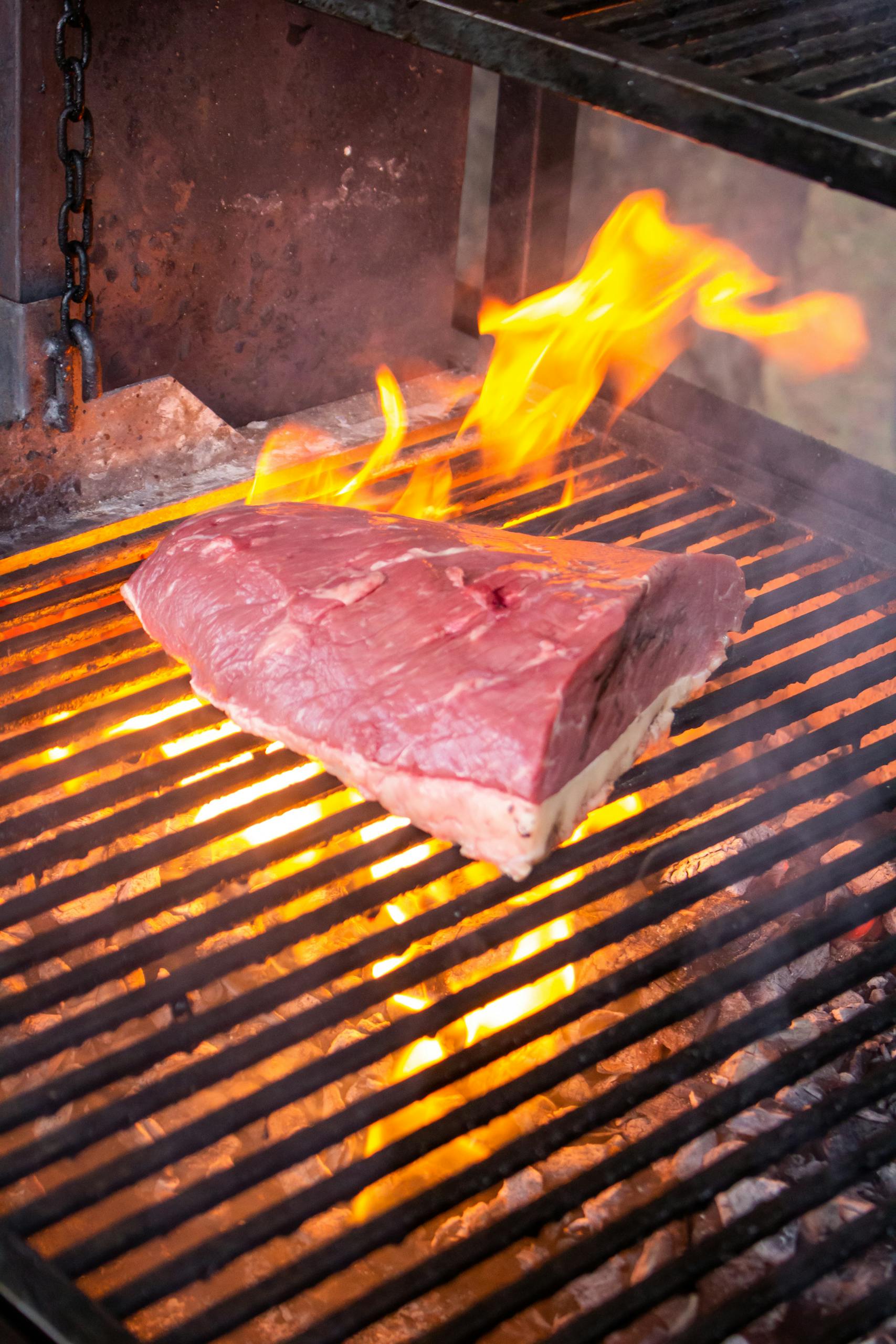
When you want a grill-forward dinner with bold flavor and minimal fuss, a well-seasoned beef steak or small roast is hard to beat. This version keeps the method straightforward: salt, pepper, high heat, a thermometer for doneness, and a quick herb butter that melts into the sliced meat. The result is deeply savory with a smoky finish and just enough richness to make weeknight grilling feel a little special.
Recipe at a glance
Yield: 4 servings
Prep time: 15 minutes
Cook time: 12 to 20 minutes, depending on thickness
Rest time: 5 to 10 minutes
Total time: 32 to 45 minutes
Ingredients
- 1 1/2 to 2 pounds beef steak or a small beef roast, such as strip steak, ribeye, sirloin, tri-tip, or top round
- 1 tablespoon neutral oil, plus a little more for the grill grates if needed
- 1 1/2 teaspoons kosher salt
- 1 teaspoon freshly ground black pepper
- 1 teaspoon garlic powder
- 1 teaspoon smoked paprika
- 4 tablespoons unsalted butter, softened
- 1 tablespoon finely chopped parsley
- 1 teaspoon finely chopped chives or scallions
- 1/2 teaspoon finely chopped thyme leaves or rosemary
- 1 small garlic clove, finely grated
- Pinch of salt
- 1 teaspoon lemon juice, optional
Instructions
- Take the beef out of the refrigerator 20 to 30 minutes before grilling so it loses some of the chill. Pat it dry with paper towels.
- In a small bowl, mix the salt, black pepper, garlic powder, and smoked paprika. Rub the beef all over with the oil, then season it evenly on all sides.
- In another bowl, stir together the softened butter, parsley, chives, thyme or rosemary, grated garlic, pinch of salt, and lemon juice if using. Spoon the butter onto a small piece of parchment or plastic wrap and shape it into a log or mound. Set aside at room temperature if serving soon, or chill briefly so it firms up.
- Preheat a grill for direct high heat. Clean the grates, then oil them lightly to help prevent sticking.
- Place the beef on the hottest part of the grill. If flames flare up, move the meat to a cooler spot for a moment or close the lid briefly to calm the fire. Turn the beef every few minutes so it browns evenly without scorching.
- For a steak, start checking the temperature after about 8 minutes. For a small roast, begin checking after about 14 minutes. Use an instant-read thermometer inserted into the thickest part of the meat, away from bone or fat pockets.
- Cook until the beef reaches 145°F, then move it to a clean plate or cutting board. The surface should be well browned, the juices should look clear, and the meat will feel springy rather than soft and raw.
- Let the beef rest 5 to 10 minutes before slicing. Resting keeps the juices in the meat instead of running out on the board.
- Slice against the grain if needed, then top each portion with a spoonful of smoked herb butter so it melts into the warm beef.
Tips, serving ideas, and storage
Texture and doneness cues: The outside should be deeply browned with a little char at the edges, while the center should be juicy and warm. If you prefer a more cooked result, let it go a few degrees higher, but still use the thermometer as your guide rather than the clock.
Serving ideas: Pair the beef with grilled corn, potato salad, a crisp green salad, or roasted asparagus. It also works well sliced over rice, tucked into rolls, or served with chimichurri-style vegetables if you want extra brightness.
Ingredient swap: If you do not have fresh herbs, use 1 teaspoon dried mixed herbs in the butter, or skip the butter and finish with a drizzle of olive oil and a squeeze of lemon.
Storage: Refrigerate leftover beef in an airtight container for up to 3 to 4 days. Store the herb butter separately for up to 1 week in the refrigerator. Reheat the beef gently in a low oven or in a skillet just until warmed through, or enjoy it cold in sandwiches and salads. If you freeze leftovers, wrap them tightly and use within 2 to 3 months for the best flavor.
Safety note: FoodSafety.gov and USDA FSIS both recommend using a thermometer for beef steaks and roasts and resting the meat before serving. That small step takes the guesswork out of grilling and helps you serve beef safely and confidently.
