
Cozy Sweet Cornbread Squares with a Light Powdered Sugar Finish
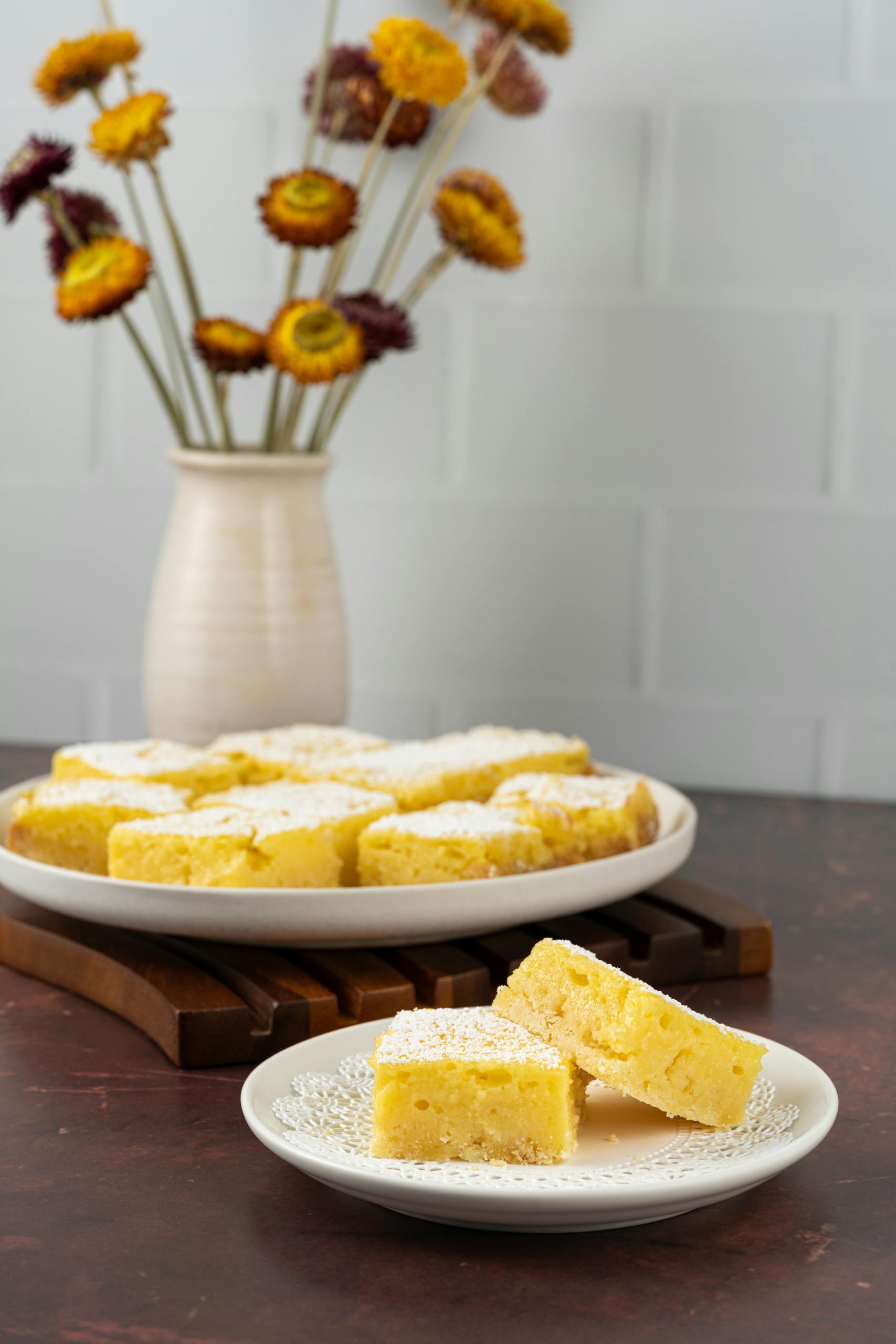
There’s something comforting about a plate of golden cornbread squares on the table. In the image above, they’re sliced neatly, lightly dusted with powdered sugar, and served in a cozy setting that feels just right for brunch or a casual weeknight dinner.
This version leans slightly sweet, with a tender crumb that slices cleanly. It’s inspired by classic cornbread structure guidance from King Arthur Baking, which balances cornmeal for flavor and flour for structure so the squares hold together without becoming dense.
Ingredients
- 1 cup yellow cornmeal
- 1 cup all-purpose flour
- 1/3 to 1/2 cup granulated sugar (adjust to taste for sweet-style)
- 1 tablespoon baking powder
- 1/2 teaspoon salt
- 2 large eggs
- 1 cup milk or buttermilk
- 1/3 cup neutral oil or melted butter
- 1 teaspoon vanilla extract (optional, for a sweeter profile)
- Powdered sugar, for dusting (optional)
Why this balance works: A roughly 1:1 ratio of cornmeal to flour creates a cornbread that’s flavorful but still tender and sliceable. King Arthur Baking notes that flour helps provide structure while cornmeal delivers that signature texture and taste. Sugar isn’t required in traditional Southern-style cornbread, but in sweet-style versions it adds moisture and encourages browning.
How to Make It
- Prep the pan. Heat the oven to 375°F. Grease an 8×8- or 9×9-inch square baking pan. For especially clean slices, line it with parchment paper, leaving a small overhang.
- Mix the dry ingredients. In a medium bowl, whisk together cornmeal, flour, sugar, baking powder, and salt.
- Mix the wet ingredients separately. In another bowl, whisk the eggs, milk (or buttermilk), oil or melted butter, and vanilla if using.
- Combine gently. Pour the wet ingredients into the dry and stir just until combined. A few small lumps are fine. Overmixing can make cornbread tough.
- Bake. Spread the batter evenly in the prepared pan. Bake 20–28 minutes, until the edges are golden and a toothpick inserted in the center comes out with a few moist crumbs but no wet batter.
- Check doneness. The center should feel set and spring back lightly when touched. If you use an instant-read thermometer, a quick bread like this is typically done around 200°F in the center.
- Cool before slicing. Let the cornbread cool in the pan for at least 15–20 minutes. This resting time helps it firm up so you can cut neat squares.
Once cooled slightly, lift out (if using parchment), slice into squares, and dust lightly with powdered sugar for a bakery-style finish. That dusting nudges it toward breakfast or snack territory without changing the base recipe.
Serving Ideas
- Brunch board: Serve squares with fresh berries, softened butter, and a drizzle of honey.
- Chili night: Pair with a hearty beef or turkey chili for a sweet-savory contrast.
- After-school snack: Warm slightly and spread with peanut butter or fruit preserves.
- Holiday breakfast: Add scrambled eggs and fruit for a simple, crowd-friendly spread.
Storage Tips
Because this recipe contains eggs and milk, treat it like other homemade quick breads.
- Room temperature: Once fully cooled, store tightly wrapped or in an airtight container for up to 2 days.
- Refrigerator: For longer storage, refrigerate and use within about 1 week. Let come to room temperature or warm briefly before serving.
- Freezer: Wrap individual squares tightly in plastic wrap and place in a freezer-safe bag. Label and date. Freeze for up to 3 months for best quality.
FoodSafety.gov’s FoodKeeper guidance recommends cooling baked goods completely before wrapping and storing to prevent excess moisture buildup, which can affect both texture and safety.
Milk Substitutions
- Buttermilk: Adds tang and tenderness. If using, you can reduce the baking powder slightly and add a pinch of baking soda.
- DIY buttermilk: Stir 1 tablespoon lemon juice or vinegar into 1 cup milk and let sit 5 minutes.
- Plant-based milk: Use unsweetened almond, soy, or oat milk. Add 1 teaspoon vinegar to mimic buttermilk’s acidity for better rise.
Money-Saving Tip
If butter prices are high, use a neutral oil instead. Oil-based cornbread stays moist and is often more economical. You can also stir in 1/2 cup well-drained canned corn to stretch the batter slightly and add texture without increasing the flour or cornmeal.
Whether you serve these sweet cornbread squares with chili, alongside a pot of soup, or dusted with powdered sugar for breakfast, the key is balance: enough cornmeal for character, enough flour for structure, and just enough sweetness to make them versatile. Simple ingredients, mixed gently and baked until golden, can still feel special on the table.
