
Homemade Nut Butters – Creamy, Delicious, and Customizable

Nut butters are a delicious, nutrient-rich alternative to traditional spreads. While peanut butter is a classic, there’s a whole world of possibilities beyond the jar. Almond, cashew, and hazelnut butters each bring unique flavors and textures to the table. Making nut butters at home is easy, requiring just roasted nuts, a pinch of salt, and a food processor. You can customize your nut butter with various add-ins like honey, cinnamon, or even chocolate for a treat that’s as healthy as it is indulgent.
Why Make Nut Butters at Home?
Homemade nut butters are fresher, creamier, and free from the additives and preservatives often found in store-bought versions. You can control the ingredients and the texture, whether you like your nut butter smooth and creamy or with a bit of crunch. It’s also more economical to make your own, especially when buying nuts in bulk. Plus, you can experiment with flavor combinations and blends that you won’t find in stores.
Types of Nut Butters You Can Make at Home:
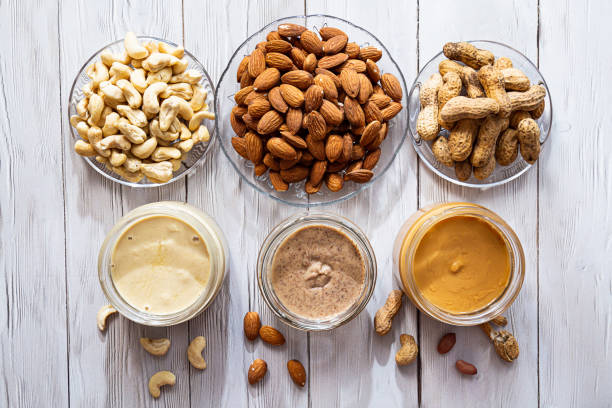
- Almond Butter: Rich, creamy, and slightly sweet, perfect for spreading on toast or adding to smoothies.
- Cashew Butter: Smooth and buttery, with a mild, slightly sweet flavor.
- Hazelnut Butter: Naturally sweet and nutty, ideal for spreading on fruit or using in baking.
Making nut butter at home is as simple as blending roasted nuts until they release their natural oils and form a creamy spread. The process can take anywhere from 5 to 15 minutes, depending on the type of nut and the strength of your food processor.
Recipe: Homemade Almond Butter
- Yield: About 1 cup
- Serving Size: 2 tablespoons
- Approximate Nutritional Values per Serving:
- Calories: 180 kcal
- Total Fat: 16 g
- Saturated Fat: 1.5 g
- Trans Fat: 0 g
- Cholesterol: 0 mg
- Sodium: 0 mg
- Total Carbohydrates: 6 g
- Dietary Fiber: 4 g
- Sugars: 1 g
- Protein: 7 g
Ingredients:
- 2 cups raw or roasted almonds
- Pinch of salt
- Optional add-ins: honey, cinnamon, vanilla extract
Instructions:
- Roast the Almonds (if using raw): Preheat your oven to 350°F (175°C). Spread the almonds on a baking sheet and roast for 10-12 minutes, or until fragrant. Let them cool slightly.
- Blend the Almonds: Place the almonds in a food processor. Blend on high speed for about 5-15 minutes, scraping down the sides as needed. The almonds will go through several stages—from crumbs to a thick paste to a smooth, creamy butter. Be patient and let the food processor do its work.

- Add Flavorings: Once the almond butter is smooth, add a pinch of salt and any additional flavorings you like, such as honey or cinnamon. Blend again until well combined.
- Store and Enjoy: Transfer the almond butter to a clean jar. Store at room temperature for up to 1 week, or refrigerate for up to 1 month.
Tips for Perfect Nut Butter:
- Use Fresh Nuts: Fresh, high-quality nuts make the best nut butter. Stale or old nuts can affect the flavor and texture.
- **
Add Oil If Needed**: If your nut butter is too thick, add a teaspoon of neutral oil (like almond or sunflower oil) to help smooth it out.
- Don’t Overheat Your Processor: Take breaks if needed to prevent your food processor from overheating during the blending process.
Creative Flavor Ideas:
- Chocolate Hazelnut Butter: Add a tablespoon of cocoa powder and a touch of sweetener to hazelnut butter for a healthier take on chocolate spread.
- Maple Cinnamon Cashew Butter: Blend cashews with a drizzle of maple syrup and a sprinkle of cinnamon for a warm, sweet spread.
- Vanilla Almond Butter: Add a teaspoon of vanilla extract and a pinch of sea salt to almond butter for a delicious twist.
Nutritional Benefits of Nut Butters
Nut butters are packed with healthy fats, protein, and fiber, making them a nutritious addition to your diet. They provide a sustained energy boost and help keep you full, making them a great snack for both kids and adults. However, they are also calorie-dense, so portion control is key.
Fun Fact:
Did you know that the oldest known reference to peanut butter dates back to the Aztecs and Incas, who ground roasted peanuts into a paste? Today, nut butters have evolved into a staple in many households, enjoyed in everything from sandwiches to smoothies.
