
Greek-Style Stuffed Grape Leaves (Dolma/Sarma) with Rice
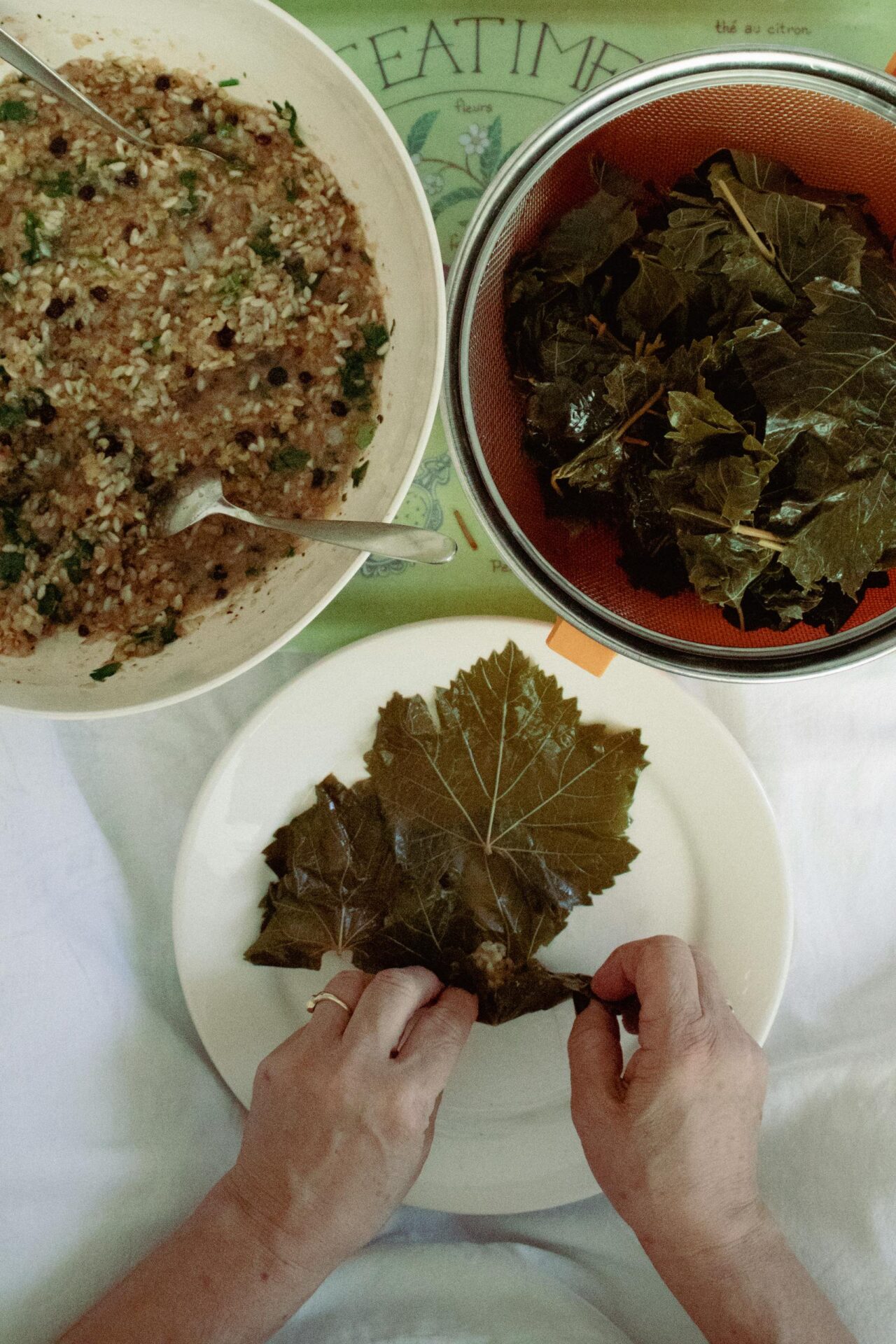
Stuffed grape leaves—often called dolma or sarma—are one of those comforting dishes that feel special but aren’t complicated. The key is steady, even rolls and a simmer that turns tough leaves tender while the rice cooks all the way through. This Greek-style version keeps things home-cook friendly with a flavorful rice filling and a lemony cooking liquid.
Recipe at a glance
- Yield: About 40–50 grape-leaf rolls
- Prep time: 45 minutes
- Cook time: 50–60 minutes
- Cooling/Chill time: 30 minutes to cool, plus optional 2–24 hours chilling
- Total time: About 2 hours 15 minutes (or 2–24 hours more if chilling)
Ingredients
For the grape leaves
- 1 jar (about 16 oz / 454 g) grape leaves, packed in brine (or canned grape leaves)
For the rice filling
- 1 cup (about 7 oz / 200 g) long-grain rice, uncooked (or basmati)
- 2 tablespoons extra-virgin olive oil
- 1 small onion, finely diced (about 1/2 cup)
- 2 cloves garlic, minced
- 1 1/2 teaspoons kosher salt, plus more to taste
- 1/2 teaspoon black pepper
- 1 teaspoon dried dill (or 2 tablespoons fresh, chopped)
- 1/2 teaspoon ground cumin
- 1/3 cup chopped fresh parsley
- 1/4 cup chopped fresh mint (optional)
- Zest of 1 lemon
- 1/4 cup fresh lemon juice
- 2 tablespoons tomato paste
- 1 3/4 cups chicken or vegetable broth (or water), hot
For the simmering liquid
- 2 tablespoons olive oil
- 1/2 small onion, sliced (optional)
- 1 1/2 cups chicken or vegetable broth
- 1/3 cup fresh lemon juice
- 1 tablespoon tomato paste
- 1 teaspoon kosher salt (start here; adjust if needed)
Optional finishing
- Olive oil for drizzling
- Lemon wedges
- Plain Greek yogurt (for serving)
Instructions
- Prep the grape leaves. Drain the grape leaves. Rinse well under cool water to remove excess brine. If they’re very tough, soak in fresh water 20–30 minutes, then drain again.
- Cook the rice filling until it’s partially done. In a saucepan, warm olive oil over medium heat. Sauté onion with a pinch of salt until softened, 6–8 minutes. Add garlic and cook 30 seconds.
Stir in rice, dill, cumin, black pepper, lemon zest, lemon juice, tomato paste, herbs, and mint (if using). Add hot broth and bring to a simmer. Reduce heat to low and cook, uncovered, 8–10 minutes—aim for rice that is not fully tender but has absorbed most of the liquid. It should be slightly sticky and easy to shape. Turn off heat and let cool 5 minutes.
- Set up a rolling station. Lay out grape leaves vein-side up (some people prefer removing the tough thick stem area at the base). Keep a small bowl of water nearby for your hands and to prevent sticking. Have a plate or sheet pan ready for finished rolls.
- Roll each dolma. Place one grape leaf on your work surface, shiny side down if you prefer, with the stem end facing you. Add about 1 to 1 1/2 teaspoons filling to the center/lower third of the leaf. Fold the sides over the filling, then roll up tightly like a small burrito. Arrange rolls seam-side down.
- Layer in the pot. Use a heavy-bottom pot or Dutch oven. Add 2 tablespoons olive oil and optional sliced onion. Spoon a little extra grape leaf or a few torn leaf pieces on the bottom to prevent sticking. Pack rolls snugly in a single or two layers, seam-side down.
- Simmer. Combine simmering-liquid ingredients and pour over rolls. Add more broth or water only if you need enough liquid to come about halfway up the rolls. Cover with a lid and—if you have one—a sheet of parchment or a flat plate to keep rolls from floating.
Simmer on very low heat 50–60 minutes. Check after 45 minutes: leaves should be tender and rice inside fully cooked (no crunch in the center). The liquid may reduce but should still be present; add a splash of broth if the pot seems dry.
- Cool, then serve (or chill). Let dolma cool in the pot 10–15 minutes. Then transfer to a platter (or store in a sealed container). Serve warm or at room temperature.
Safety and doneness cues: Because this is a cooked grain mixture inside grape leaves, use a thermometer if you want extra reassurance. FoodSafety.gov emphasizes cooking to safe temperatures rather than relying on time alone. For the center, aim for rice/grain that’s fully cooked and piping hot throughout. If you measure, stuffed mixtures should reach a safe internal temperature (the exact target can vary by preparation, so use a food thermometer and follow your best judgment for a fully cooked, hot center).
Tips for foolproof rolling
- Uniform size = even cooking. Use the same amount of filling each time and roll with similar tightness.
- Seam-side down matters. It helps keep rolls intact while simmering.
- If leaves tear: Don’t toss them—use them to create a bottom layer or wrap a small area where a seam needs reinforcement.
- Texture check for filling: If your filling feels dry or won’t hold together, stir in 1–2 tablespoons more broth. If it feels soupy, cook a few extra minutes on the stove before rolling.
Serving ideas
- Serve with lemon wedges and a drizzle of olive oil.
- For a classic approach, set out plain Greek yogurt (or a lemon-yogurt sauce) and chopped cucumber or tomato salad.
- They’re also great as a mezze-style appetizer spread with hummus and warm pita.
Storage notes
- Refrigerate: Cool to room temperature within about 1–2 hours, then refrigerate promptly. FDA advises keeping cold foods at/under 40°F (4°C). Store in an airtight container.
- How long: 3–4 days in the fridge.
- Reheat: Warm gently in a covered skillet with a splash of broth or water, or microwave until hot throughout.
- Freezing: Cool completely, then freeze in airtight containers or freezer bags up to 2–3 months. Thaw overnight in the refrigerator and reheat gently.
Variation (easy swap)
Make it vegetarian or herb-forward: Use vegetable broth and add an extra handful of parsley (and more lemon zest) for a bright, herb-heavy filling. You can also reduce the tomato paste slightly if you prefer a lighter flavor.
