
Saffron, Salt, and Dried Herbs: How to Use These Pantry Staples for Big Flavor
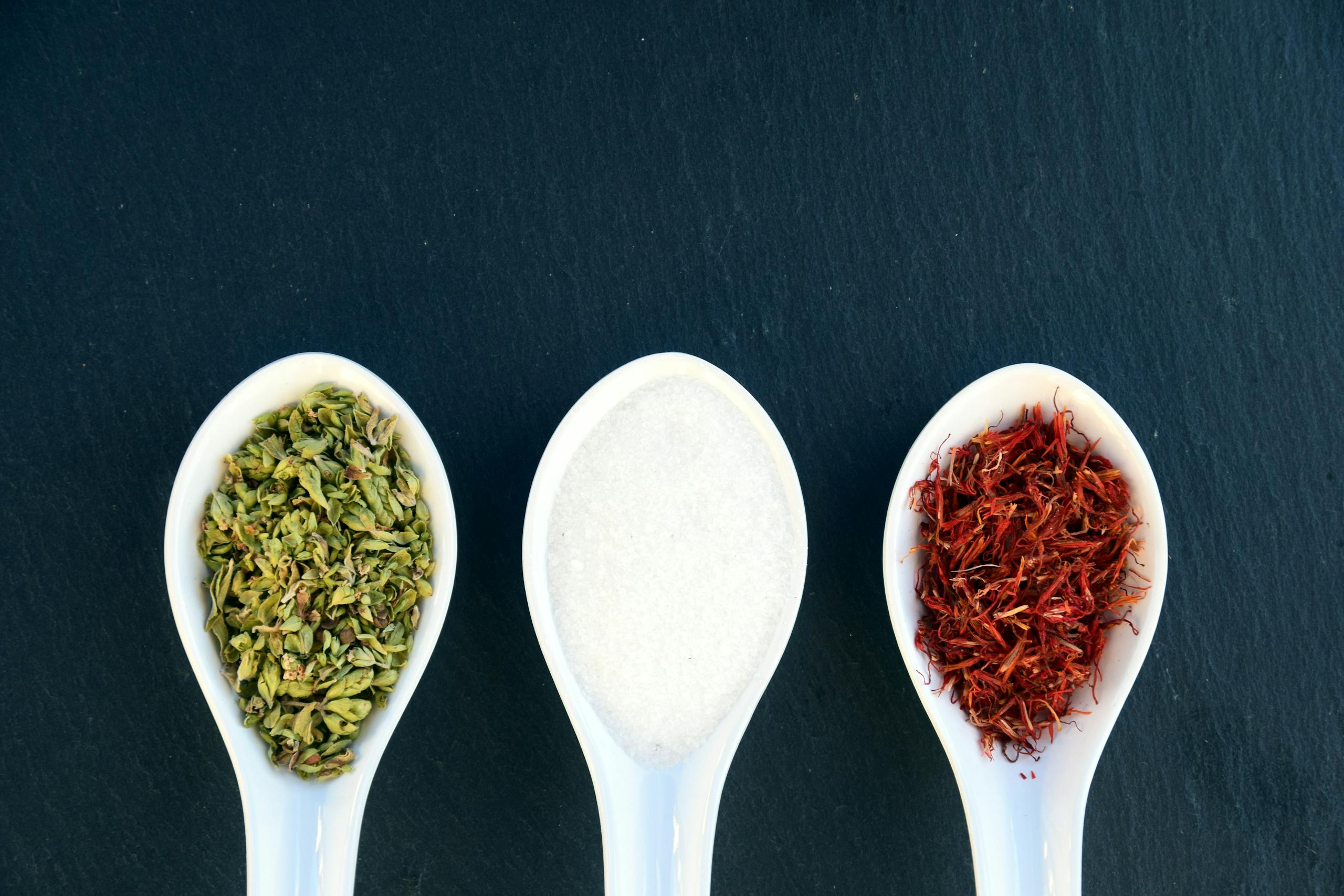
Some of the most dramatic flavor changes in a home kitchen come from the smallest ingredients. A pinch of saffron, a spoonful of dried herbs, and a thoughtful sprinkle of salt can turn plain rice, roasted vegetables, or a simple chicken dinner into something memorable.
If these staples are already in your pantry—or you’re thinking about adding them—here’s how to use them wisely, store them safely, and stretch your budget without sacrificing flavor.
What Is Saffron—and Why Is a Pinch Enough?
Saffron is made from the dried stigmas of the crocus flower (Crocus sativus). According to USDA FoodData Central, it’s used in very small amounts because its flavor, aroma, and golden color are highly concentrated. A little truly goes a long way.
Its flavor is hard to describe: gently floral, slightly earthy, and subtly sweet. It doesn’t shout. It lingers. That’s why it’s often used in rice dishes, seafood, soups, and special-occasion breads.
How to Bloom Saffron for Better Flavor
Instead of tossing saffron threads straight into a pot, bloom them first:
- Warm a few tablespoons of water, broth, or milk (it should be hot, but not boiling).
- Add a small pinch of saffron threads.
- Let them steep for 5–10 minutes.
This step releases both color and aroma into the liquid, helping it distribute evenly through your dish. Stir the infused liquid into rice, soups, or sauces early enough for the flavor to develop.
How to Store Saffron
Light, heat, air, and moisture are saffron’s enemies. Nutrition.gov recommends storing dried herbs and spices in airtight containers in a cool, dark place away from the stove. The same rule applies to saffron.
Skip the refrigerator unless your kitchen runs very hot and humid; condensation can reduce quality. Keep it tightly sealed and use it within a reasonable time so it doesn’t lose potency.
Dried Herbs 101: Small Leaves, Big Impact
Dried herbs are simply fresh herbs that have had their moisture removed, concentrating their flavor. King Arthur Baking’s herb and spice guide notes that dried herbs are typically stronger than fresh, which means you need less.
When to Add Dried Herbs
Unlike delicate fresh herbs that are often added at the end, dried herbs benefit from time and heat. Add them earlier in the cooking process so they can rehydrate and release their flavor.
Try this approach:
- Add dried herbs when sautéing onions or garlic for soups and sauces.
- Stir them into oil before roasting vegetables.
- Rub them onto chicken or fish before baking.
If your herbs have been sitting in the pantry for a while, crush a small amount between your fingers. If the aroma is faint, it may be time to replace them.
How to Store Dried Herbs Safely
Nutrition.gov’s food storage guidance emphasizes keeping dried goods in airtight containers away from heat and light. Avoid storing spice jars directly above the stove, where heat and steam can shorten their shelf life.
Buying smaller quantities more often is a simple, waste-reducing habit that keeps flavor fresh.
Salt as a Flavor Builder, Not Just a Finisher
Salt does more than make food taste salty. It enhances sweetness, balances bitterness, and brings out natural flavors. The key is layering.
What Does “Season in Layers” Mean?
Instead of adding all your salt at the end, season lightly throughout cooking:
- A pinch when sautéing vegetables.
- A small amount in cooking liquid for rice or grains.
- A final adjustment before serving.
This builds balanced flavor from the inside out. Nutrition.gov’s cooking basics encourage tasting as you go, which helps prevent over-seasoning at the end.
The exact type of salt you use—fine, coarse, or flaky—will affect how much you need. Adjust gradually and taste frequently.
Easy Weeknight Ways to Use All Three
You don’t need an elaborate recipe to put these pantry staples to work. Here are simple, family-friendly ideas:
1. Golden Rice for Any Protein
- Bloom a pinch of saffron in warm broth.
- Add it to your rice cooking liquid with a light pinch of salt.
- Stir in a dried herb during cooking for extra depth.
Serve alongside roasted chicken, grilled shrimp, or sautéed vegetables.
2. Roasted Vegetable Upgrade
- Toss chopped vegetables with oil, salt, and a dried herb.
- Roast until caramelized.
- Finish with a spoonful of saffron-infused liquid brushed lightly over the top for color and aroma.
3. Simple Saffron Chicken Soup
- Sauté onion and garlic with dried herbs and a pinch of salt.
- Add broth and shredded cooked chicken.
- Stir in bloomed saffron and simmer briefly.
It’s weeknight-friendly but feels a little special.
Budget Tips and Smart Substitutions
Saffron is one of the more expensive spices in the grocery aisle. A few practical tips:
- Buy small quantities from a reputable source.
- Store it carefully so none goes to waste.
- Use it in dishes where its color and aroma truly shine.
If saffron isn’t practical for your budget, turmeric can provide a similar golden color, and paprika can add warmth. Neither will replicate saffron’s unique flavor, but they can offer visual appeal and depth in everyday cooking.
Storage and Safety Basics for Every Pantry
According to Nutrition.gov’s food safety and storage guidance:
- Keep dried herbs and spices in airtight containers.
- Store them in a cool, dark, dry place.
- Avoid moisture contamination by using dry measuring spoons.
While dried spices don’t spoil in the same way fresh foods do, they can lose flavor and quality over time. Replacing small amounts regularly often costs less than throwing out full, stale jars.
The Big Takeaway
When it comes to saffron, dried herbs, and salt, more isn’t better—smarter is better. Bloom saffron before using it. Add dried herbs early so they can develop. Season in layers instead of all at once. Store everything properly to protect your investment.
With just these three pantry staples—and a thoughtful approach—you can turn simple ingredients into meals that feel intentional, flavorful, and ready for the family table any night of the week.
