
Brazilian-Style Quindim Custard (Glossy Egg-Yolk Coconut Flan You Can Make at Home)
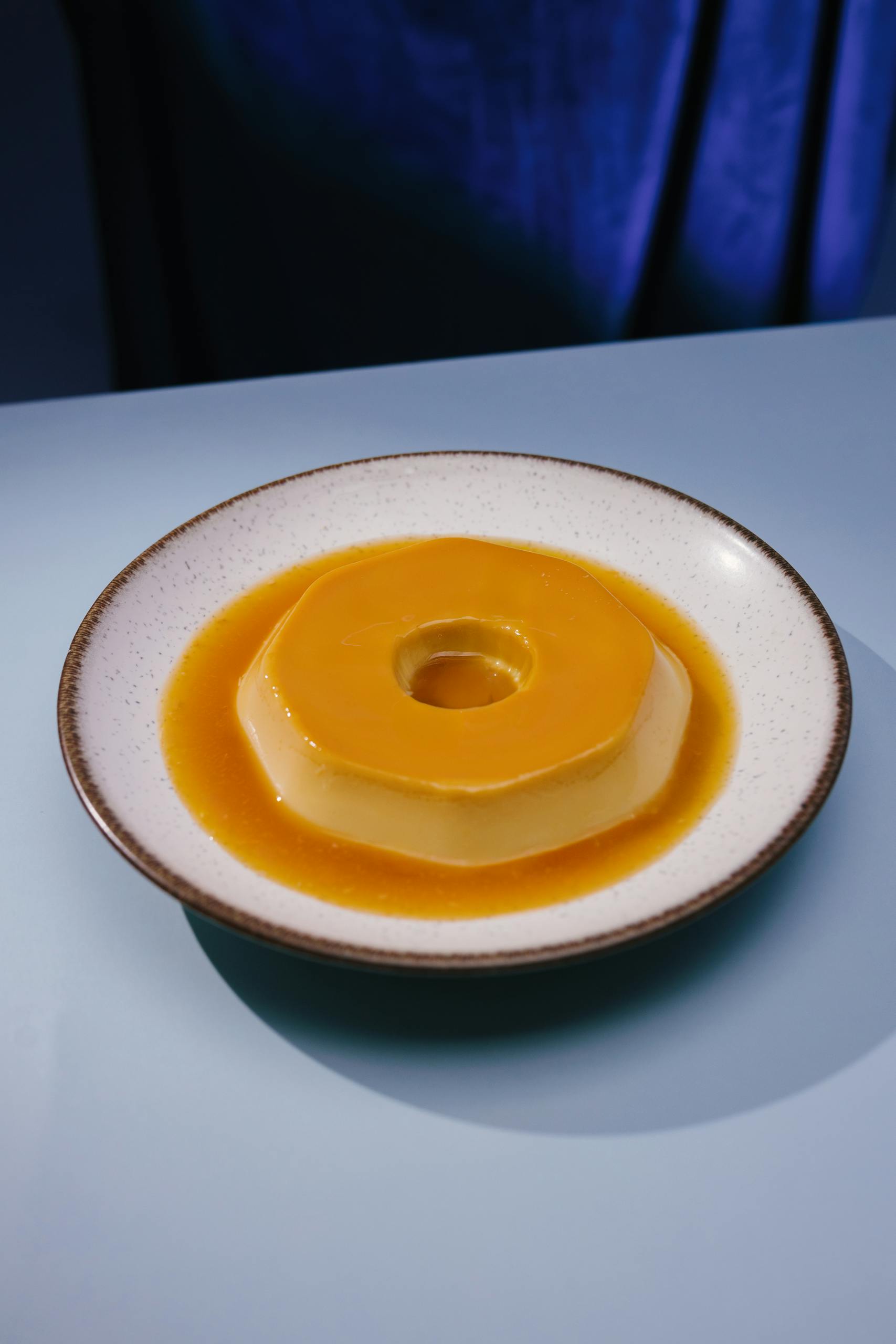
Few desserts feel as striking as a bright yellow custard crowned with amber caramel. Brazilian-style quindim is known for that glossy top and rich coconut flavor, built on a base of egg yolks and sugar. The texture lands somewhere between flan and firm pudding—silky, sliceable, and deeply satisfying.
This version is designed for U.S. home kitchens using easy-to-find ingredients. The focus is on technique: making caramel safely, baking gently in a water bath, and handling eggs with care so the finished custard is smooth and properly set.
What Makes Quindim Unique?
Traditional quindim-style desserts rely heavily on egg yolks. Yolks provide the vivid golden color and help thicken the custard as it bakes. According to USDA FoodData Central, egg yolks are rich in fat and proteins, both of which contribute to the custard’s structure and creamy texture when heated.
Finely shredded coconut adds body and a subtle chew, while sugar does double duty—sweetening the custard and forming the caramel layer that becomes the glossy top once unmolded.
Ingredients
- 1 cup granulated sugar (for caramel)
- 5 large egg yolks
- 1 whole large egg
- 3/4 cup granulated sugar (for custard)
- 2 tablespoons unsalted butter, melted and cooled slightly
- 1 cup finely shredded coconut (sweetened or unsweetened)
- 1/4 teaspoon salt
Pan options: One 8-inch round cake pan, a small ring mold, or 6–8 standard muffin cups.
Step 1: Make the Caramel (Carefully)
Place 1 cup sugar in a light-colored saucepan over medium heat. Let it melt slowly without stirring at first. Once it begins to liquefy, gently swirl the pan to help it melt evenly. The sugar will move from clear to pale gold to amber.
As soon as it reaches a deep honey color, remove from heat. Caramel is extremely hot—well above boiling water—so do not touch it or taste it at this stage. Immediately pour a thin layer into your prepared pan, tilting to coat the bottom evenly. Set aside to harden.
Step 2: Mix the Custard Base Gently
In a bowl, whisk the egg yolks and whole egg until just blended. Add the 3/4 cup sugar, melted butter, coconut, and salt. Stir until smooth and combined.
Avoid whipping in too much air. Over-aerated custard can bake up with bubbles or cracks instead of a smooth finish.
Step 3: Prepare a Water Bath
Preheat the oven to 350°F. Place the caramel-lined pan inside a larger baking dish. Pour the custard mixture over the hardened caramel.
Bring a kettle of water to a simmer. Carefully pour hot water into the outer baking dish until it reaches about halfway up the sides of the custard pan.
This bain-marie method helps the custard cook gently and evenly. King Arthur Baking explains that a water bath buffers direct heat, reducing the risk of curdling or overbaking—especially important for egg-based desserts.
Step 4: Bake Until Just Set
Bake 35–50 minutes, depending on pan size. The edges should look set, while the center has a slight jiggle—similar to gelatin.
For food safety, egg dishes should reach an internal temperature of 160°F, according to USDA FSIS egg safety guidance. An instant-read thermometer inserted near the center can confirm doneness without guesswork.
Cool, Chill, and Unmold
Remove the custard from the water bath and let it cool at room temperature. Then refrigerate for at least 4 hours or overnight. Chilling helps the structure fully set and makes unmolding easier.
To release, run a thin knife around the edge and invert onto a serving plate. The caramel will flow over the top, creating that glossy finish.
Serving Ideas
- Slice and serve slightly chilled or just cool—not icy cold.
- Add fresh berries for contrast.
- Sprinkle extra toasted coconut on top for texture.
- Serve in individual muffin-size portions for gatherings.
Because it’s rich, smaller slices often feel just right.
Storage and Food Safety
This is an egg-based dessert, so refrigeration matters. The USDA advises storing eggs at 40°F or below and refrigerating egg-containing dishes promptly. Once cooled, cover and refrigerate the custard within two hours of baking.
For general cold food storage guidance, FoodSafety.gov recommends keeping perishable foods properly chilled and discarding items left above 40°F for extended periods, such as during a prolonged power outage.
Refrigerated custard is best enjoyed within 3–4 days. Keep it covered to prevent it from absorbing refrigerator odors.
Ingredient Swaps and Variations
Sweetened vs. unsweetened coconut: If using sweetened coconut, consider reducing the sugar in the custard slightly. Unsweetened coconut gives a more balanced sweetness.
More yolks, fewer whites: For deeper color and a firmer texture, replace the whole egg with an additional yolk. The custard will be richer and slightly denser.
Muffin-tin version: Divide caramel and custard among greased muffin cups set in a water bath. Reduce baking time and check early for doneness. Individual portions are easy to serve and budget-friendly for parties.
Money-Saving Tip
Buy shredded coconut in bulk or store-brand bags, which are often more affordable than specialty packages. You can also freeze leftover coconut in an airtight container for future baking projects, reducing waste.
With careful caramel work, gentle baking, and proper chilling, this Brazilian-style custard delivers dramatic color and smooth texture using simple pantry staples. It’s the kind of dessert that feels special but fits comfortably into a home cook’s routine.
