
Restaurant-Style Pan-Seared Steak with Mixed Vegetables (Easy Weeknight Dinner)
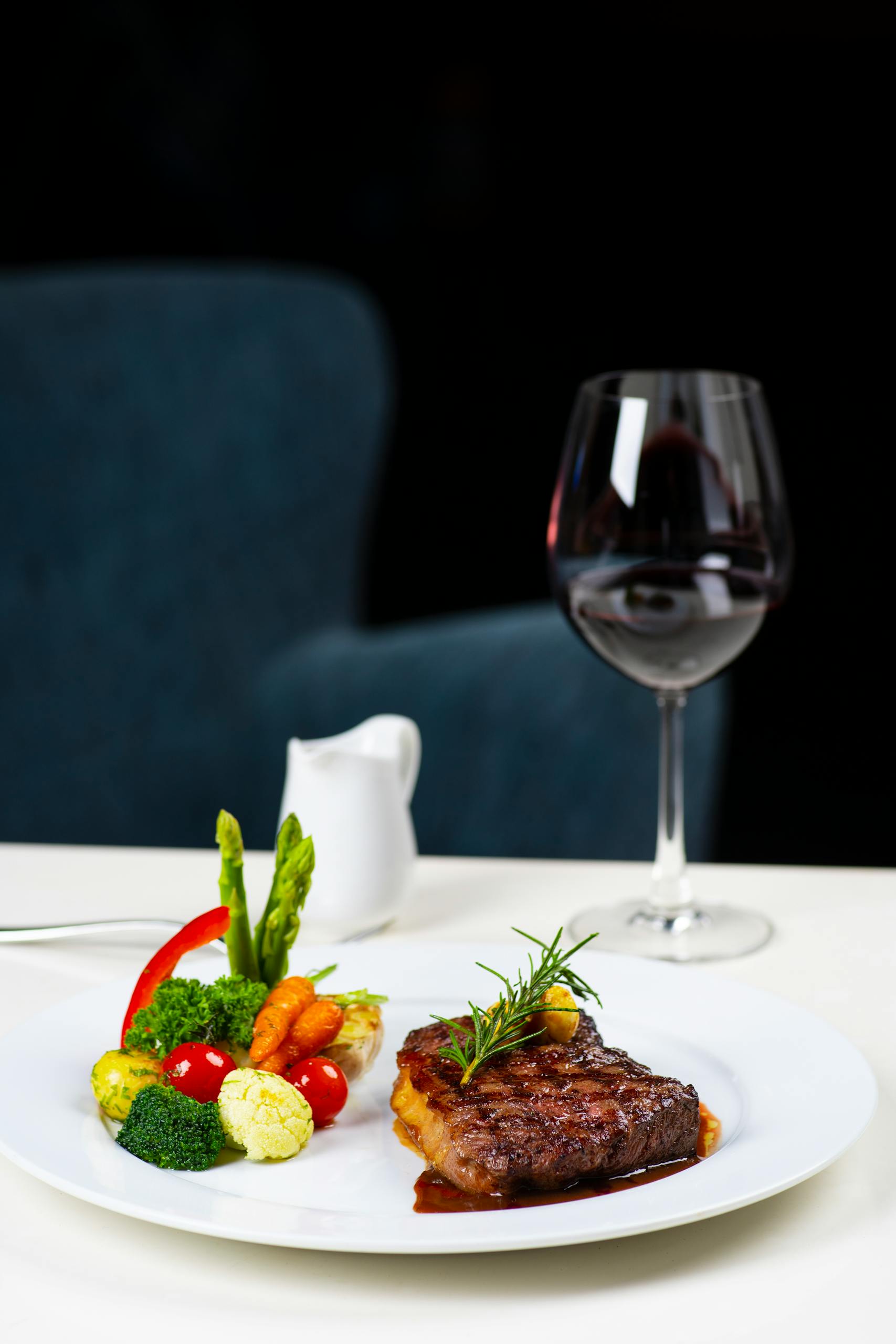
A great steak dinner doesn’t require a reservation. With a heavy skillet, a handful of fresh vegetables, and a thermometer, you can bring that restaurant-style presentation straight to your own table.
This recipe focuses on technique: how to choose a good steak, build a flavorful crust, cook vegetables so they’re vibrant (not mushy), and plate everything so it looks composed and inviting. Along the way, we’ll follow USDA guidance for safe internal temperature and storage so you can cook with confidence.
What to Look for at the Store
You don’t need a specific cut for this recipe. Instead, look for:
- Even thickness so the steak cooks uniformly.
- Bright red color (not gray or dull).
- Light marbling—thin streaks of fat that help keep the meat flavorful and tender.
According to USDA Food Safety and Inspection Service (FSIS) guidance on beef handling, keep raw beef cold and separate from other groceries in your cart, and refrigerate it promptly once home.
Ingredients (Serves 2–3)
- 1 large steak (about 1 to 1½ inches thick)
- Kosher salt
- Freshly ground black pepper
- 1–2 tablespoons high-heat cooking oil (such as avocado or canola)
- Optional: a sprig of fresh rosemary or thyme
- Optional: 1–2 tablespoons butter for basting
For the mixed vegetables:
- Asparagus spears, trimmed
- Sliced carrots
- Broccoli florets
- Cauliflower florets
- Cherry tomatoes
- Olive oil
- Salt and pepper
Step 1: Prep the Steak
Remove the steak from the refrigerator about 20–30 minutes before cooking to take the chill off. Pat it thoroughly dry with paper towels—this is key for a good sear.
Season generously on both sides with salt and pepper. Keep the seasoning simple so the beef flavor shines.
Have an instant-read thermometer ready. USDA FSIS recommends cooking whole cuts of beef to a minimum internal temperature of 145°F, followed by a 3-minute rest.
Step 2: Build a Deep Sear
Heat a heavy skillet (cast iron works beautifully) over medium-high to high heat until very hot. Add oil and swirl to coat.
Lay the steak in the pan and resist the urge to move it. Let it cook undisturbed for several minutes to develop a browned crust. Flip once and cook the second side.
If using, add a knob of butter and a sprig of rosemary or thyme during the last couple of minutes. Tilt the pan and spoon the melted butter over the steak for extra flavor.
Begin checking the internal temperature a few minutes before you think it’s done. When it reaches 145°F in the thickest part, transfer it to a cutting board.
Step 3: Rest Before Slicing
Let the steak rest for at least 3 minutes, as recommended by USDA FSIS. Resting allows juices to redistribute and finishes the cooking process gently.
When ready to serve, slice against the grain for the most tender texture.
Step 4: Cook the Mixed Vegetables
While the steak rests, cook the vegetables. You can sauté them in a large skillet or roast them in a 425°F oven.
For sautéing:
- Start with carrots, broccoli, and cauliflower—they take the longest.
- Add asparagus halfway through cooking.
- Toss in cherry tomatoes at the end, just until they begin to soften.
Season with salt and pepper and cook until the vegetables are tender but still bright and slightly crisp.
This mix gives you color, texture, and balance alongside the steak. According to Nutrition.gov, beef is part of the protein foods group, and pairing it with a variety of vegetables helps round out the meal with fiber and additional nutrients.
How to Plate It Like a Restaurant
- Fan or stack slices of steak slightly off-center on a white plate.
- Group vegetables in small clusters rather than mixing everything together.
- Add a fresh herb sprig for a simple finishing touch.
- Wipe the rim of the plate before serving for a clean presentation.
Small details make a weeknight dinner feel intentional and special.
Storage and Leftovers
USDA FSIS advises refrigerating cooked beef within 2 hours (1 hour if the room is above 90°F). Store leftovers in shallow containers and use within 3–4 days.
Reheat gently in a skillet over medium-low heat or enjoy sliced steak cold over a salad. Vegetables can be reheated in a skillet or repurposed into a grain bowl.
Money-Saving Variation
Choose a more economical cut, such as top sirloin, and use the same pan-searing method. Because technique matters more than price, you can still achieve a flavorful crust and attractive presentation without splurging.
Another smart move: roast extra vegetables and use them later in the week for omelets, wraps, or pasta.
A Confident Steak Night at Home
Cooking steak at home becomes far less intimidating once you focus on the fundamentals: dry surface, hot pan, minimal movement, thermometer in hand, and a proper rest. Add vibrant vegetables and thoughtful plating, and you have a dinner that feels celebratory—no special occasion required.
