
Mastering the Perfect Prime Rib Roast: A Guide to Different Cooking Methods in 2024

Prime Rib Roast, often regarded as the crown jewel of holiday feasts, is a classic centerpiece that never fails to impress. This luscious, tender cut of beef, with its rich marbling and robust flavor, has been a go-to choice for festive gatherings for generations. Whether you’re a seasoned cook or a beginner looking to create a stunning main dish, mastering the art of Prime Rib is easier than you think—especially with the array of cooking methods available in 2024. Let’s explore how you can achieve the perfect Prime Rib Roast with three popular methods: Traditional Oven Roasting, Slow Roasting, and the modern Instant Pot technique.
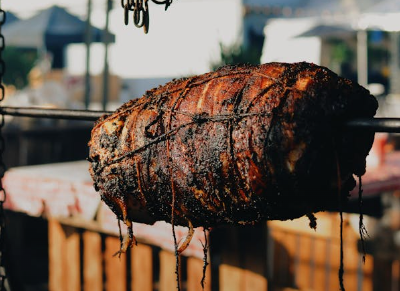
Choosing the Right Cut of Prime Rib
Before diving into cooking methods, selecting the right cut is crucial. Prime Rib comes from the rib section of the cow and can be purchased bone-in or boneless. Bone-in roasts tend to be more flavorful and provide a dramatic presentation, while boneless cuts are easier to slice. Look for a roast with good marbling, which adds flavor and tenderness during cooking.
Traditional Oven Roasting
Overview: Traditional oven roasting is the most classic and widely recognized method for cooking Prime Rib. It involves roasting the meat at a high temperature to form a flavorful crust, then finishing it at a lower temperature until it reaches the desired doneness.
Ingredients:
- 1 Prime Rib roast (about 6-8 pounds, bone-in)
- 6 cloves garlic, minced
- 2 tablespoons olive oil
- 2 tablespoons fresh rosemary, chopped
- 2 tablespoons fresh thyme, chopped
- 2 teaspoons kosher salt
- 1 teaspoon black pepper
- 1 teaspoon onion powder
- 1 teaspoon smoked paprika
Instructions:
- Seasoning: Start by seasoning your roast generously with a mixture of olive oil, garlic, rosemary, thyme, salt, pepper, onion powder, and smoked paprika. Allow the roast to sit at room temperature for about an hour before cooking.
- High-Temperature Sear: Preheat your oven to 450°F (230°C). Place the roast, fat side up, on a rack in a roasting pan. Roast for 15 minutes to create a golden crust.
- Lower the Heat: Reduce the oven temperature to 325°F (165°C) and continue roasting until the internal temperature reaches your desired doneness (120-125°F for rare, 130-135°F for medium-rare). This step usually takes 1.5 to 2 hours.
- Rest: Let the roast rest for 20-30 minutes before carving to allow the juices to redistribute.
Advantages: This method is perfect for achieving a crispy, well-browned exterior with a juicy, tender interior. It’s ideal for those who enjoy the process of traditional cooking and want a hands-on approach.
Slow Roasting
Overview: Slow roasting involves cooking the Prime Rib at a lower temperature for a longer period, resulting in a more even and tender roast with less chance of overcooking.
Ingredients:
- 1 Prime Rib roast (about 6-8 pounds, bone-in)
- 4 tablespoons olive oil
- 6 cloves garlic, minced
- 2 tablespoons fresh rosemary, chopped
- 2 tablespoons fresh thyme, chopped
- 2 teaspoons kosher salt
- 1 teaspoon black pepper
- 1 teaspoon onion powder
- 1 teaspoon smoked paprika
Instructions:
- Season and Prepare: Season the roast with your preferred herbs and spices, as described above, and let it sit at room temperature.
- Slow Cook: Preheat your oven to 250°F (120°C). Place the roast on a rack in a roasting pan and cook slowly until the internal temperature reaches your desired level of doneness. This process can take 3-4 hours, depending on the size of your roast.
- High-Temperature Finish: Once the roast reaches the desired internal temperature, remove it from the oven, let it rest, and then briefly roast it at 500°F (260°C) for 10-15 minutes to develop a crisp, flavorful crust.
- Rest and Carve: After the high-temperature finish, let the roast rest for 30 minutes before slicing.
Advantages: Slow roasting provides consistent cooking, ensuring the roast is uniformly tender from edge to center. This method minimizes the risk of overcooking and results in a roast that melts in your mouth.
Instant Pot Prime Rib
Overview: The Instant Pot is a game-changer for those who want a quick and efficient way to cook Prime Rib without sacrificing flavor or texture. This pressure-cooking method allows for a tender roast in a fraction of the time.
Ingredients:
- 1 Prime Rib roast (about 4-5 pounds, boneless)
- 2 tablespoons olive oil
- 4 cloves garlic, minced
- 1 tablespoon fresh rosemary, chopped
- 1 tablespoon fresh thyme, chopped
- 2 teaspoons kosher salt
- 1 teaspoon black pepper
- 1 teaspoon onion powder
- 1 teaspoon smoked paprika
- 1 cup beef broth
- 1 tablespoon Worcestershire sauce
Instructions:
- Season and Sear: Season the roast with your favorite herbs and spices. Set the Instant Pot to ‘Sauté’ mode, add olive oil, and sear the roast on all sides until browned.
- Pressure Cook: Add beef broth and Worcestershire sauce to the pot, then set the trivet inside and place the roast on top. Pressure cook on high for about 5-7 minutes per pound, depending on your desired doneness.
- Natural Release: Allow the pressure to release naturally for 20 minutes before carefully releasing any remaining pressure manually.
- Check and Finish: Use a meat thermometer to check doneness. If needed, use the ‘Sauté’ mode briefly to finish cooking.
Advantages: The Instant Pot method is perfect for busy cooks who want to enjoy Prime Rib without dedicating hours to the process. It provides a tender, flavorful roast quickly and with minimal effort.
Final Tips for the Perfect Prime Rib
- Use a Meat Thermometer: The key to perfect Prime Rib is hitting the right internal temperature. A reliable meat thermometer ensures you achieve the exact doneness you want.
- Resting is Crucial: Always let your roast rest before carving to allow the juices to redistribute, ensuring a moist and flavorful roast.
- Enhance with Au Jus or Gravy: Save the drippings from your roast to make a delicious au jus or gravy, adding an extra layer of flavor to your Prime Rib.
Here’s a guide to the internal temperatures for achieving the perfect doneness for Prime Rib Roast. Using a reliable meat thermometer is key to ensuring your roast is cooked exactly how you like it.
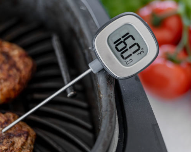
Prime Rib Doneness Temperature Guide
- Rare:
- Internal Temperature: 120-125°F (49-52°C)
- Description: Cool, bright red center; very tender and juicy.
- Tip: Pull the roast from the oven or Instant Pot when the thermometer reads 120°F and let it rest; the temperature will continue to rise slightly as it rests.
- Medium Rare:
- Internal Temperature: 130-135°F (54-57°C)
- Description: Warm, red center; the most popular doneness for Prime Rib, maintaining a balance of tenderness and flavor.
- Tip: Remove from heat when it reaches 130°F; this is often considered the ideal temperature for Prime Rib.
- Medium:
- Internal Temperature: 140-145°F (60-63°C)
- Description: Warm, pink center; slightly firmer texture but still juicy and flavorful.
- Tip: Pull the roast at 140°F if you prefer a more uniformly cooked piece with less red.
- Medium Well:
- Internal Temperature: 150-155°F (66-68°C)
- Description: Light pink center with more brown throughout; firmer and less juicy.
- Tip: This temperature may be preferred by those who like a more cooked and slightly less tender roast.
- Well Done:
- Internal Temperature: 160°F (71°C) and above
- Description: Fully cooked through with little to no pink; firm texture.
- Tip: Not typically recommended for Prime Rib as it loses much of its tenderness and juiciness at this point.
Additional Tips for Measuring Internal Temperature
- Insert the Thermometer Correctly: Place the thermometer into the thickest part of the roast, avoiding bones or fat pockets for an accurate reading.
- Allow for Carryover Cooking: Remember that the internal temperature will rise by about 5-10 degrees while the roast rests. Plan accordingly to avoid overcooking.
- Rest the Roast: Always let the Prime Rib rest for 15-30 minutes after cooking to allow the juices to redistribute, ensuring a moist and flavorful roast.
Using this temperature guide, you can achieve your perfect Prime Rib doneness every time, whether you prefer it rare and juicy or cooked to a firmer texture.
No matter which method you choose, Prime Rib Roast is a show-stopping dish that’s sure to delight your guests. Whether you prefer the traditional charm of oven roasting, the tenderness of slow roasting, or the convenience of the Instant Pot, each technique offers a unique way to enjoy this classic holiday meal. With these tips and methods, you’ll be well on your way to mastering the perfect Prime Rib Roast for your next festive gathering in 2024!
