
How to Make Grilled Steaks with Bold Char Marks
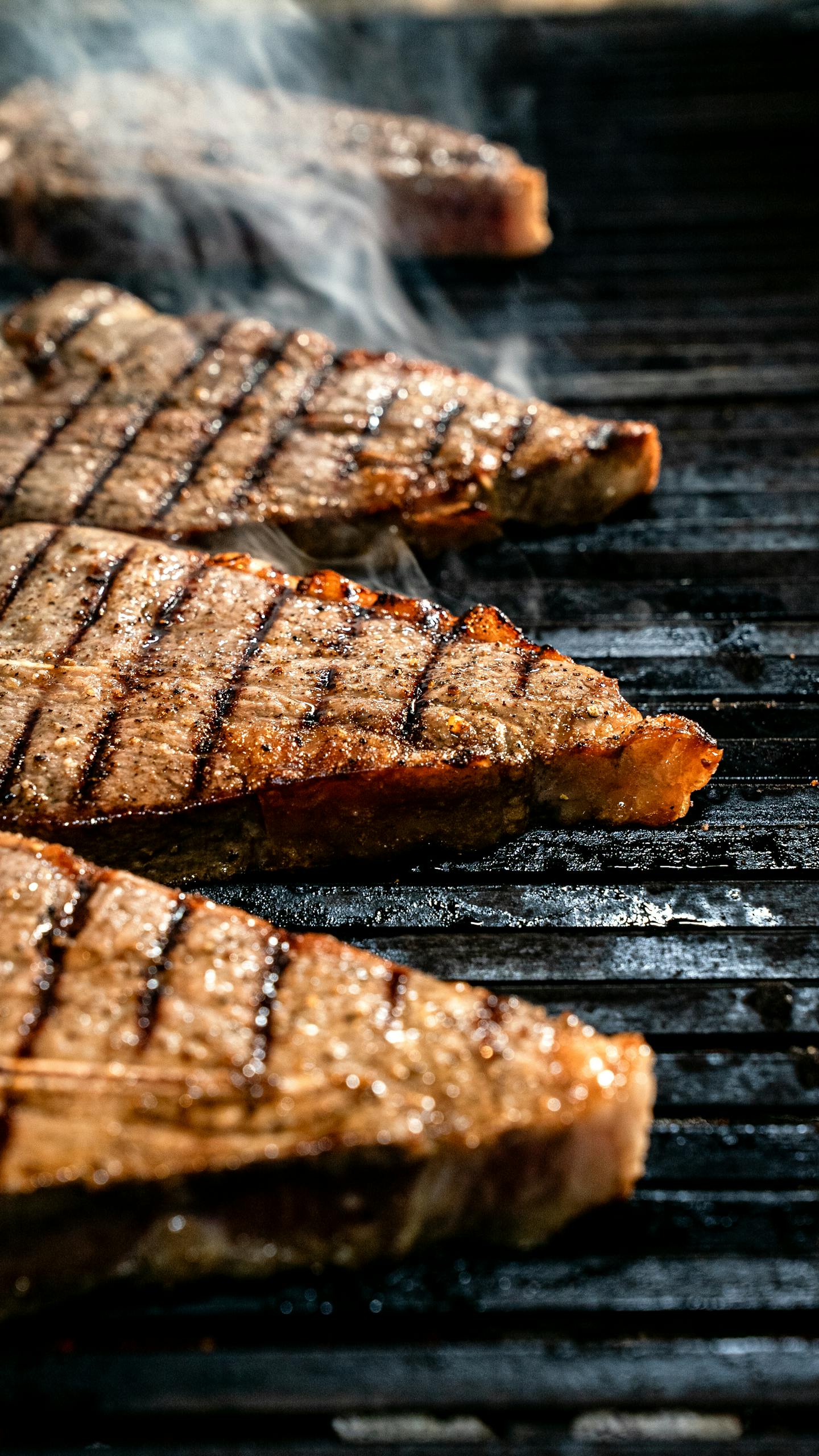
When you want steakhouse-style flavor at home, a hot grill and a simple seasoning are often all you need. This method keeps the seasoning straightforward, builds a browned crust with good grill marks, and finishes the steak gently so it stays juicy. Use a thermometer for the most reliable results, and remember that beef steaks should rest before slicing.
Recipe at a glance
- Yield: 4 servings
- Prep time: 10 minutes
- Cook time: 10 to 14 minutes
- Total time: 20 to 25 minutes, plus 3 minutes resting
Ingredients
- 4 beef steaks, about 1 to 1 1/2 inches thick, such as ribeye, strip, sirloin, or top round
- 1 tablespoon neutral oil, plus a little more for the grill grates
- 1 1/2 teaspoons kosher salt
- 1 teaspoon freshly ground black pepper
- 1 teaspoon garlic powder
- 1 teaspoon smoked paprika
- 1/2 teaspoon onion powder
- Optional: 1 tablespoon softened butter for finishing each steak
Instructions
- Take the steaks out of the refrigerator 20 to 30 minutes before grilling so they lose some chill while you heat the grill. Pat them dry with paper towels.
- Heat a gas or charcoal grill to high heat, aiming for about 450°F to 500°F at the grate. Clean the grates well, then lightly oil them using a folded paper towel dipped in oil and held with tongs.
- In a small bowl, mix the salt, black pepper, garlic powder, smoked paprika, and onion powder. Rub the steaks all over with the neutral oil, then season both sides evenly with the spice mix.
- Place the steaks on the hottest part of the grill. For strong char marks, let them cook without moving for 2 to 3 minutes on the first side. Rotate the steaks 45 degrees halfway through that side if you want a crosshatch pattern.
- Flip the steaks and grill the second side for 2 to 4 minutes, again leaving them alone long enough to brown well. If the steaks are thicker, move them to a cooler part of the grill after searing and continue cooking until they reach the right internal temperature.
- For beef steaks, use a thermometer to check doneness. USDA guidance calls for a minimum internal temperature of 145°F, followed by a 3-minute rest. The meat should look deeply browned on the outside with a juicy center when sliced.
- Transfer the steaks to a plate or cutting board and rest for 3 minutes before serving. Add a small pat of butter if you like, then slice against the grain or serve whole.
Texture and doneness cues: You want a browned crust, clear grill marks, and steaks that feel firm but still have a little spring when pressed. The interior should be juicy, not dry, and the juices should settle during the rest.
Tips
- Choose any steak cut you like, but keep thickness as even as possible for more consistent cooking.
- If flare-ups happen, move the steak to a cooler area of the grill for a moment, then return it to high heat.
- Skip the smoked paprika if you want a more classic salt-and-pepper profile; add a pinch of cayenne if you want a little heat.
- For a richer finish, top each steak with herb butter, or keep it simple with a drizzle of good olive oil.
Serving ideas
Serve these steaks with grilled corn, potato salad, roasted potatoes, a crisp green salad, or blistered summer vegetables. They also make a great weeknight plate with rice and sautéed greens, or a cookout centerpiece alongside baked beans and coleslaw. If you want a brighter finish, add chimichurri or a squeeze of lemon just before serving.
Storage notes
Cool leftovers quickly and refrigerate them in a covered container within 2 hours. Leftover steak will keep for 3 to 4 days in the refrigerator. Reheat gently in a covered skillet over low heat with a splash of broth, or slice it cold for salads, sandwiches, and grain bowls. For the best texture, avoid overheating, which can make the meat tough.
