
Cajun Connoisseur: The Spirited Journey of Chef Paul Prudhomme
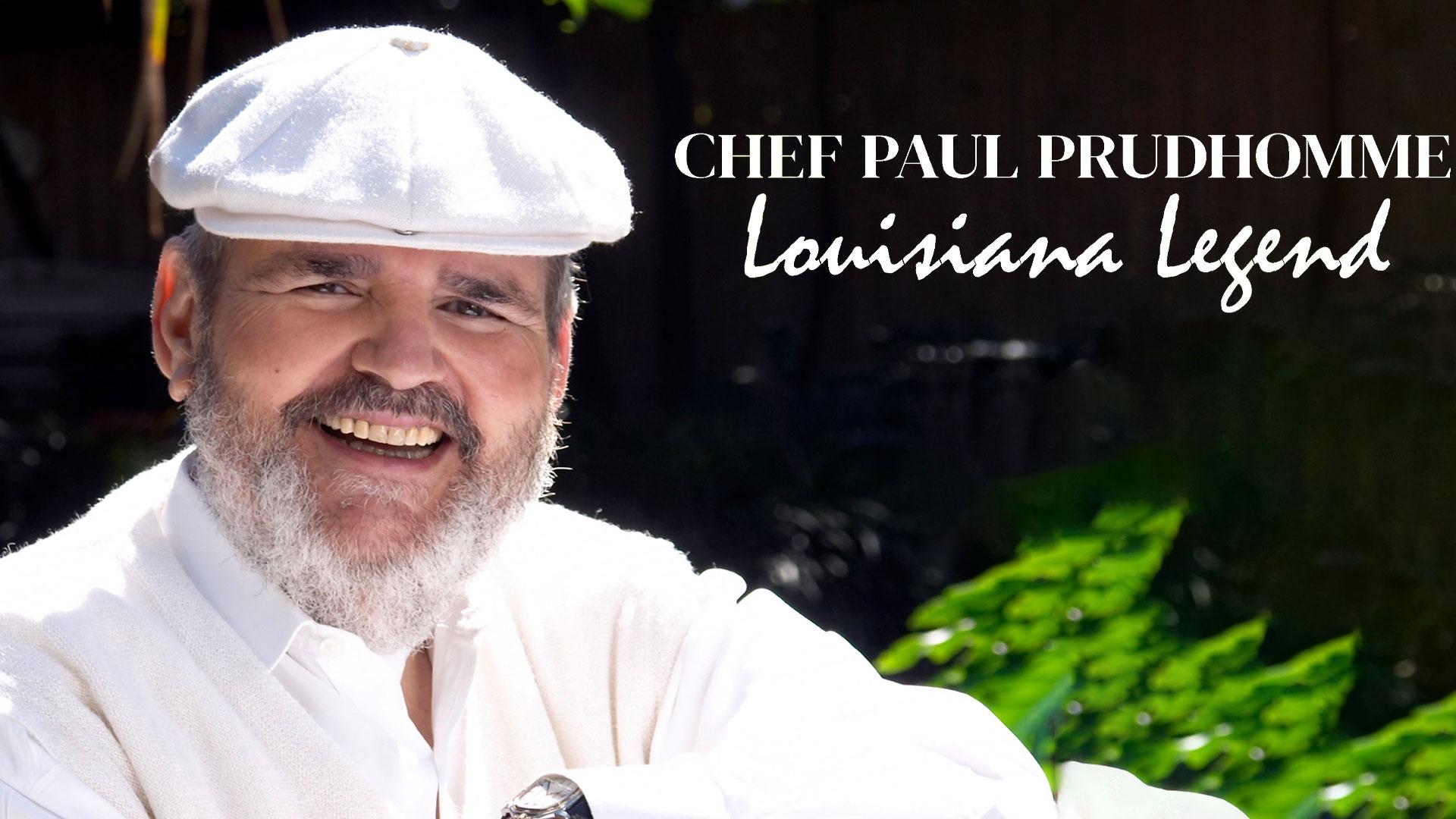
Born in the small town of Opelousas, Louisiana, on July 13, 1940, Paul Prudhomme was not just a man but a culinary icon whose relentless zeal and innovative techniques propelled Cajun and Creole cuisine into the spotlight, both in America and worldwide. As the youngest amongst a brood of 13 children, Prudhomme’s journey from his humble beginnings to becoming one of the most revered chefs in America is a testament to his indomitable spirit, passion for food, and the rich culinary heritage of his home state.
As a teenager, Prudhomme’s first foray into the culinary world was both necessity and serendipity. He worked at a local restaurant, trading his sweat and toil for meals. This early exposure to the bustling kitchen life ignited a spark in young Prudhomme, setting him on the path to becoming a luminary in the American culinary scene.
In the late 1950s and early 1960s, the aspiring chef ventured beyond the boundaries of Louisiana, working in various restaurants across the United States. His rich experiences during these years broadened his culinary horizons and refined his skill set, eventually paving his return to New Orleans in 1975. Upon his return, he stepped into the illustrious role of executive chef at the Commander’s Palace, one of the most revered establishments in the city. Prudhomme replaced the renowned Creole chef Richard Brennan, inheriting his apron and the responsibility of preserving the establishment’s gastronomical legacy.
The year 1979 marked a significant milestone in Prudhomme’s culinary journey. Together with his late wife, K Hinrichs Prudhomme, he established K-Paul’s Louisiana Kitchen. Nestled in the heart of the French Quarter of New Orleans, this restaurant became a beacon for authentic Cajun and Creole cuisine. The rich, vibrant, and soulful dishes attracted throngs of food enthusiasts, often causing queues to snake around the block.
One of Prudhomme’s notable contributions to the culinary arts was his invention of “blackened” dishes, a cooking technique that would sweep the nation in the 1980s. His blackened redfish stands as a testament to this culinary innovation. The technique involves bathing seafood or meat in melted butter, lavishly coating it with a concoction of herbs and spices, and searing it in a blazing hot cast-iron skillet. The result is a delightfully charred, intensely flavorful dish that resonates with Prudhomme’s culinary ethos: bold and soulful.
Prudhomme’s impact, however, was not confined to the walls of his restaurant. He was a regular face on national television, a charismatic host of several cooking shows, and the author of a number of best-selling cookbooks including the acclaimed “Chef Paul Prudhomme’s Louisiana Kitchen,” and “Fork In The Road.” The chef’s influence also found its way into home kitchens across the country, as he created a popular line of seasoning blends and marinades that encapsulated the essence of his culinary philosophy.
A titan in his field, Prudhomme’s career was adorned with numerous accolades recognizing his immense contributions to American cuisine. His journey concluded on October 8, 2015, but the legacy he left behind continues to resonate within the culinary world. Today, every dish that carries a hint of Cajun or Creole flavor, every blackened piece of meat, and every sprinkle of his seasoning blend serves as a tribute to the extraordinary life and career of Chef Paul Prudhomme. His story is not just a tale of personal achievement but a testament to the power of passion and the influence of cultural heritage on the gastronomic landscape.
